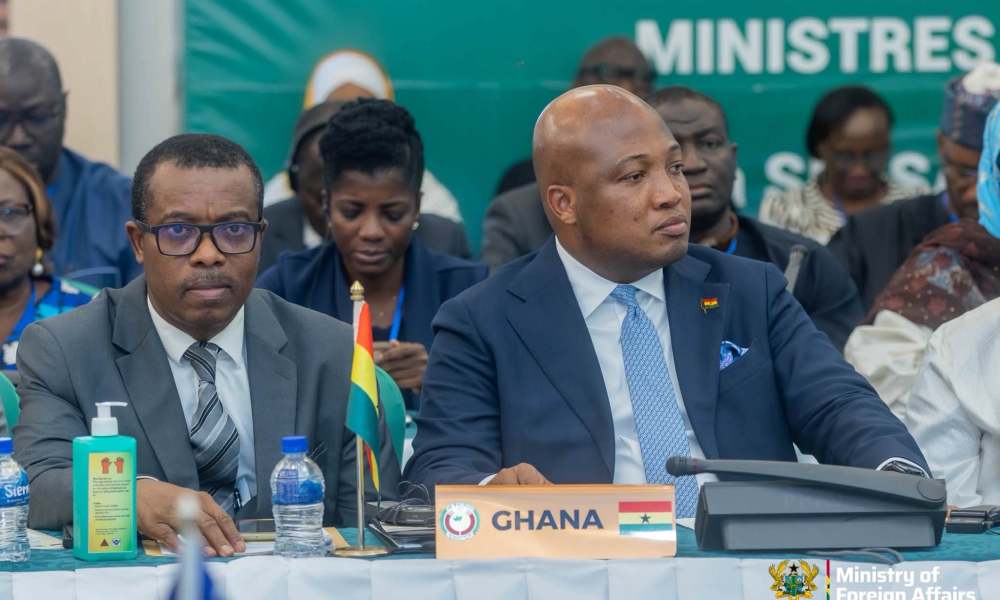
The ECOWAS Council of Ministers has declared its full support for Ghana’s petition to the African Union against xenophobia. The Council also gave its unconditional endorsement to the Accra Next Steps Commitments on Reparatory Justice. This significant announcement was made by Ghana’s Minister for Foreign Affairs, Samuel Okudzeto Ablakwa, following his participation in the ECOWAS Council of Ministers meetings in Sierra Leone.
This backing reflects the regional bloc’s deep commitment to promoting unity, tolerance, and justice across West Africa and the broader African continent. The decision comes ahead of the Authority of Heads of State and Government Summit, where regional leaders will discuss key political, economic, and security issues. Ghana has consistently advocated for stronger regional ties and a unified African front on critical issues.
This endorsement fits into Ghana's broader foreign policy, which prioritizes pan-Africanism and regional integration. Ghana has historically championed causes that promote African unity and address historical injustices. The country’s push for reparatory justice, for instance, seeks to acknowledge and address the lasting economic and social impacts of slavery and colonialism. This initiative aims to foster greater equity and development across the continent, aligning with Ghana's vision for a prosperous Africa.
Minister Ablakwa commended the ECOWAS Council of Ministers for their decisive action. He stated, “I commend the ECOWAS Council of Ministers for declaring full support for Ghana’s petition to the African Union against xenophobia and for their unconditional endorsement of the Accra Next Steps Commitments on Reparatory Justice.” He reaffirmed Ghana’s dedication to collaborating with regional partners to advance the ideals of African integration. Ghana will continue to pursue the vision of a united and prosperous continent, building on the legacy of its founding fathers.
The implications of this endorsement are far-reaching. It strengthens Ghana's position on the African stage regarding human rights and historical justice. The support from ECOWAS could galvanize other African nations to adopt similar stances, potentially leading to a continent-wide movement against xenophobia and for reparatory justice. Decision-makers and international bodies will closely watch how these commitments translate into concrete actions and policies. This regional consensus could also influence future discussions at the African Union, potentially leading to broader policy changes and increased funding for related initiatives.
The endorsement also signals a unified regional approach to addressing complex social and historical issues. This collective action can enhance stability and cooperation within West Africa, which is crucial for economic development and regional security. A united front on such matters can also boost the region's bargaining power in international forums. The focus on tolerance and justice is expected to foster a more inclusive environment for all citizens within the ECOWAS community, potentially reducing internal conflicts and promoting shared growth.