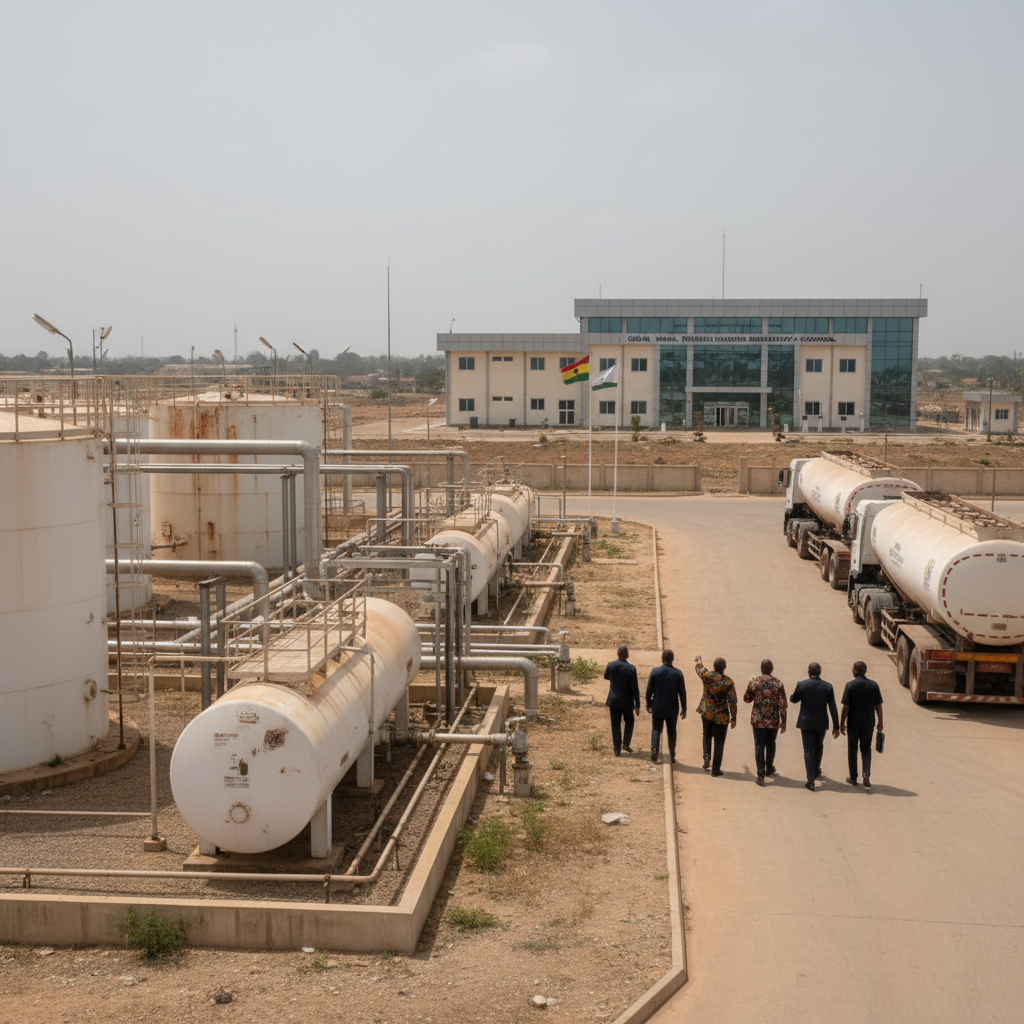
A delegation from the Economic Community of West African States (ECOWAS) Commission began a three-day study tour in Ghana on July 14, 2026. The delegation is examining the National Petroleum Authority's (NPA) regulatory framework for fuel quality standards. This visit aims to strengthen downstream petroleum regulation across the West African sub-region.
This initiative gathers regulators and officials from institutions managing the downstream petroleum sector in various ECOWAS member states. They expect to share experiences, exchange best practices, and deepen cooperation. The goal is to implement harmonised fuel quality standards throughout the region. Better standards can protect public health, safeguard the environment, and improve energy security.
Ghana's robust fuel quality assurance framework provides valuable lessons for the region. The country has steadily improved its petroleum sector regulation, leading to a more stable and transparent market. This commitment aligns with Ghana's broader economic goals of attracting investment and ensuring consistent energy supply. The nation's progress in combating illicit fuel trade also positions it as a leader in regional petroleum governance.
Godwin Kudzo Tameklo, the Chief Executive of the NPA, specifically highlighted the utility of Ghana's framework. He stated that each member state should adapt best practices to suit its national circumstances. Tameklo further emphasised the need for sustained collaboration and peer learning among ECOWAS nations. Such partnerships are crucial for building a more integrated, resilient, and efficient regional petroleum market.
Arkadius Koumoine, the Acting Director of Energy and Mines at the ECOWAS Commission, responded on behalf of the delegation. He described harmonised fuel quality standards as essential for several key objectives. These include protecting public health, safeguarding the environment, and improving energy security. Koumoine also noted that such standards are vital for tackling illicit fuel trade across the region. This regional approach could reduce economic losses from substandard products and illegal activities.
The outcomes of this study tour could influence future petroleum regulatory policies across ECOWAS. Decision-makers and market participants will watch for recommendations and policy shifts. Stronger regional standards could stabilise fuel prices, reduce health risks, and boost consumer confidence. This collaboration sets a precedent for increasing economic integration and shared development within West Africa.
Ghana's model demonstrates how effective regulation can support economic stability and public welfare. Learning from Ghana’s experience could help other ECOWAS members implement similar reforms. This regional cooperation holds potential for significant positive impacts across the energy sector. It reinforces the commitment towards a safer and more secure energy landscape in West Africa.