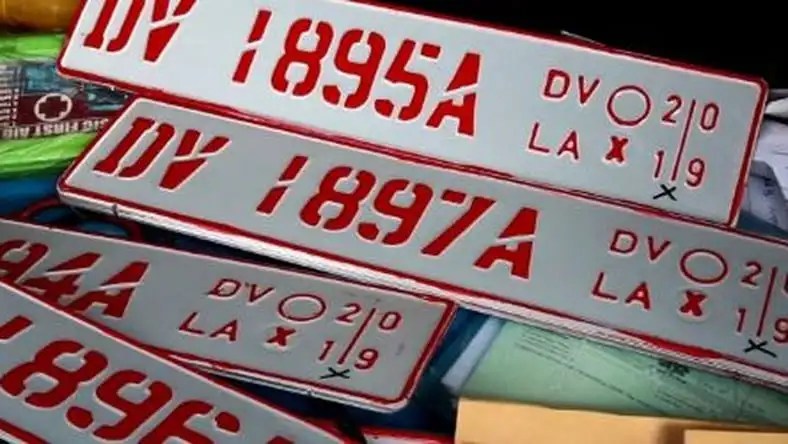
The Driver and Vehicle Licensing Authority (DVLA) has ceased relying on external companies for vehicle number plate production. The DVLA will now produce all vehicle number plates locally, aiming to enhance security and control over the registration system.
This strategic shift allows the DVLA to directly manage the entire production process, from manufacturing to distribution. The move addresses concerns about the availability, security, and authenticity of number plates. It also seeks to streamline the process for motorists applying for new or replacement plates.
This initiative fits into Ghana's broader economic strategy of promoting local production and reducing dependence on imports. By taking over manufacturing, the DVLA strengthens its oversight of a critical identification tool. This aligns with national efforts to modernise public services and improve data integrity, impacting the transport sector significantly.
MyNewsGH.com reported that this development forms part of the DVLA's efforts to strengthen the vehicle registration system. The authority aims to improve security and ensure greater control over the production and distribution of vehicle number plates across the country. This direct control is expected to prevent the circulation of unauthorised or fake plates.
The change implies a more secure and potentially efficient system for vehicle owners and law enforcement. Motorists should anticipate official announcements from the DVLA regarding new procedures, fees, or collection points. This transition will likely impact the supply chain for vehicle accessories and related services, requiring market adjustments.
The DVLA's decision to localise number plate production marks a significant operational overhaul. This move is expected to give the authority greater control over a crucial aspect of Ghana's vehicle identification system. Vehicle number plates serve as vital identification tools for authorities, linking vehicles to their registered owners.
Any weaknesses in the previous production and distribution process created security and administrative vulnerabilities. By bringing production in-house, the DVLA can better monitor issued number plates. This ensures that all plates meet approved standards, enhancing the integrity of the vehicle registration database. The initiative also supports efforts to combat the production and use of counterfeit number plates.
For vehicle owners, the introduction of local production could eventually alter how new plates are obtained. Motorists registering newly acquired vehicles may follow updated procedures once the new system is fully operational. The DVLA is expected to provide clear information on the process, requirements, and any changes to fees or collection arrangements. Vehicle owners must rely on official DVLA communications to avoid misinformation or fraudulent schemes.
This development occurs amidst wider reforms to modernise vehicle registration and licensing services in Ghana. The DVLA has increasingly integrated technology into its operations, offering digital services for convenience. Local production of number plates complements these efforts by giving the authority greater control over a key physical component. It could also reduce reliance on imported materials or external production arrangements, depending on the final manufacturing structure.
A key concern for motorists is the validity of existing number plates. Currently, there is no indication that existing plates will require automatic replacement due to local production. Motorists should disregard rumours and await official communication from the DVLA regarding any compulsory replacement programmes. Any such changes would be officially announced by the authority.
The planned local production represents an important step in Ghana's vehicle registration system. The move to end third-party production strengthens the security and integrity of vehicle identification. Motorists should monitor official DVLA announcements for details on implementation, application processes, and any procedural changes. Further details on the local production facility, specifications, and fees are expected as the system rolls out.