The Driver and Vehicle Licensing Authority (DVLA) will introduce a nationwide vehicle emission testing programme. All vehicles must now pass an emission test for registration or to receive a roadworthy certificate. This important step directly addresses air pollution and protects public health in Ghana.
This initiative supports Ghana's environmental sustainability agenda. It helps the country meet its commitments under the Paris Agreement and the National Climate Change Policy. Poor air quality contributes to nearly 14% of all deaths in Ghana, making it a major health risk. Vehicle emissions are linked to serious diseases including stroke, heart disease, and lung cancer.
The transport sector is a significant source of air pollution in Ghana. In 2022, Ghana had over 3.2 million registered vehicles. Industry estimates suggest more than 95% of these are older models. These older vehicles often produce high levels of harmful emissions. The new policy aims to reduce these pollutants and improve environmental standards.
Officials have stressed that the programme is not intended to generate revenue. Instead, its primary goal is to improve vehicle performance and reduce environmental pollution. This will ultimately promote better public health across the country. The DVLA will partner with accredited private testing centres to implement the programme effectively.
Under the new system, authorised testing centres will inspect vehicle exhaust emissions. They will check for pollutants such as carbon monoxide, hydrocarbons, and nitrogen oxides. Newer vehicles may also undergo On-Board Diagnostics (OBD) scans. Vehicle owners will receive detailed reports indicating whether their vehicles passed or failed.
Vehicles that fail will require repairs and a re-test. This ensures compliance with national environmental standards. Commercial vehicle operators will receive a transition period of up to two years. This grace period allows them to comply with the new requirements before full enforcement begins. This provides necessary time for adjustments within the commercial transport sector.
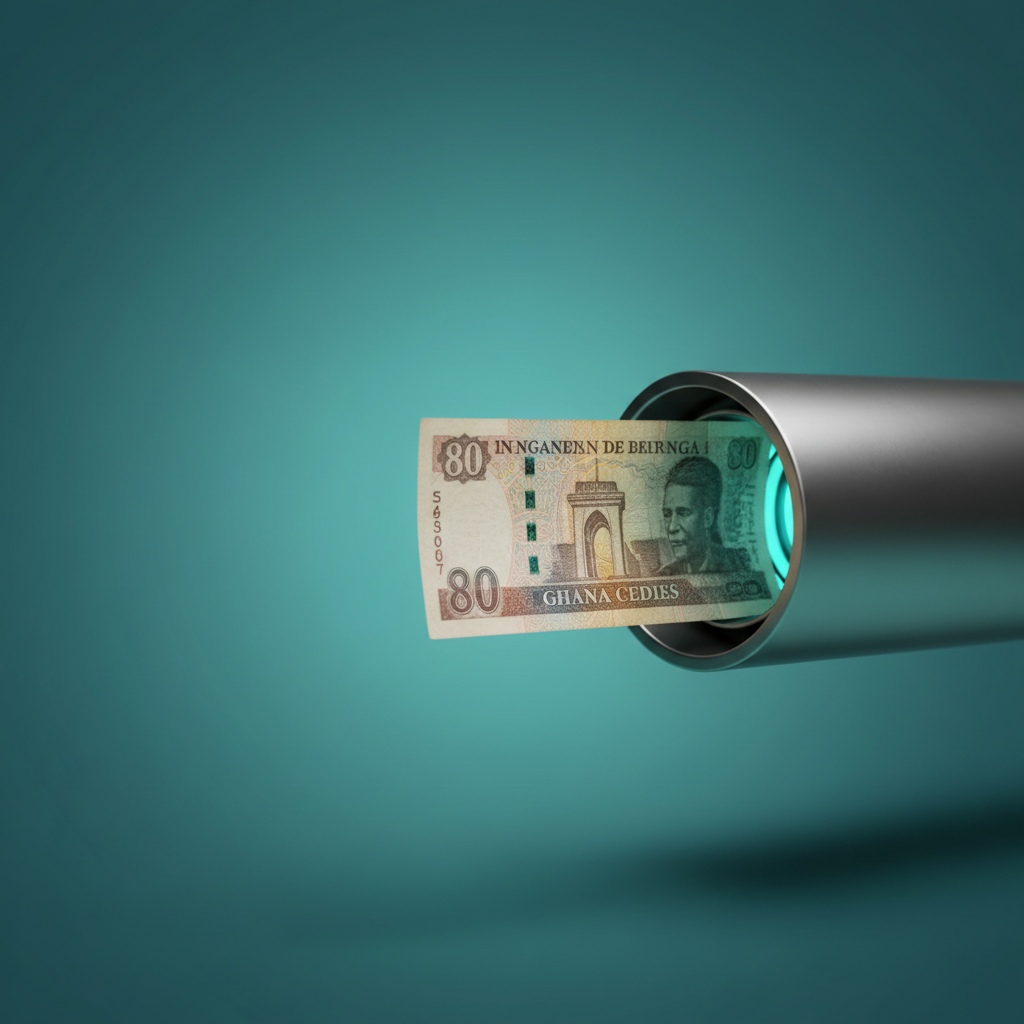
Motorists will pay GHS 80 for each emission test. Motorcycles and tricycles will be included at a later stage. A separate fee structure will apply to them. This phased approach allows for a smoother rollout of the program. The DVLA's focus remains on improving air quality and public well-being rather than financial gain.
This programme marks a crucial step in Ghana's fight against climate change. It aligns with global efforts to reduce carbon footprints. The mandatory testing will encourage vehicle maintenance and promote cleaner technologies. This will benefit both the environment and the health of Ghanaians.