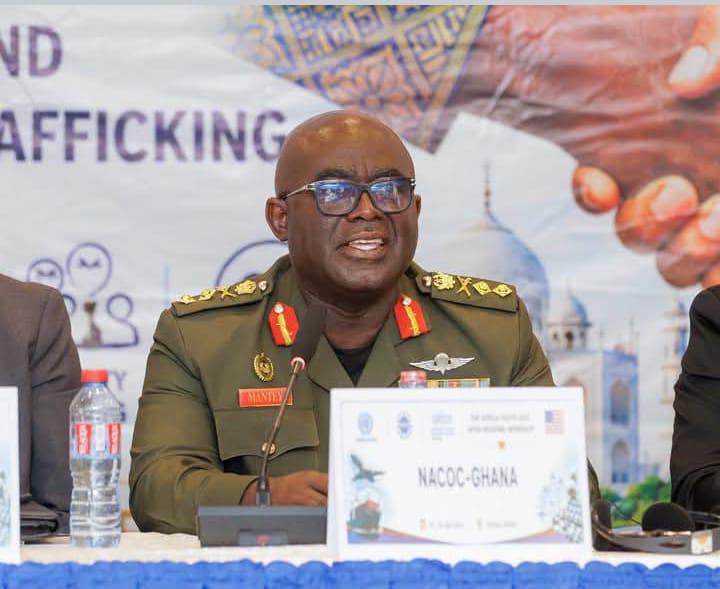
Global drug traffickers are increasingly using cyberspace and advanced technology for their illicit operations. Ghana's Narcotics Control Commission (NACOC) has observed this significant shift in criminal methods. This development presents new and complex challenges for law enforcement agencies both within Ghana and internationally.
The move towards digital platforms allows traffickers to operate with greater anonymity and efficiency. They can coordinate drug shipments, manage financial transactions, and recruit new members more discreetly. This adaptation by criminal networks makes traditional interdiction methods less effective, demanding a strategic re-evaluation from authorities.
This trend fits into a broader narrative of evolving crime in Ghana's digital economy. As internet penetration and technological adoption increase across the country, so too does the potential for its misuse by criminal elements. The Ghana Cyber Security Authority has previously warned about rising cybercrime rates, indicating a general vulnerability in the digital space that drug traffickers are now exploiting.
While the source material does not provide a direct quote from NACOC, the report underscores the agency's ongoing efforts to monitor and counter drug trafficking. NACOC's mandate includes preventing the illicit use, import, and export of narcotic drugs and psychotropic substances. Their observation highlights the need for continuous investment in intelligence gathering and technological tools to stay ahead of these criminal advancements.
The implications of this shift are substantial for Ghana's security and economic stability. Increased digital drug trafficking could lead to higher rates of drug abuse, particularly among younger populations who are more active online. It also necessitates greater international cooperation to dismantle these digitally-enabled criminal networks. Decision-makers will need to prioritize cybersecurity infrastructure and specialized training for law enforcement to effectively combat this growing threat.
Furthermore, the financial flows associated with digital drug trafficking can destabilize legitimate financial systems. Money laundering through cryptocurrencies and other digital assets presents a significant challenge for regulatory bodies like the Bank of Ghana. The government must strengthen anti-money laundering frameworks to prevent Ghana from becoming a hub for illicit financial activities.
The shift also impacts public health. Easier access to illicit substances through online channels could exacerbate existing public health challenges related to drug addiction. The Ministry of Health and other relevant agencies will need to develop targeted prevention and treatment programs that address the digital dimension of drug access.
Ghana's position as a transit point for illicit drugs makes this development particularly concerning. The country's ports and borders, both physical and digital, require enhanced surveillance and control measures. The Customs Division of the Ghana Revenue Authority, alongside NACOC, must adapt their strategies to detect and intercept digitally coordinated drug movements.
Ultimately, the move by global drug traffickers into cyberspace demands a multi-faceted response. This includes legislative reforms to address cyber-enabled crimes, increased funding for law enforcement technology, and public awareness campaigns about the dangers of online drug markets. Ghana's ability to safeguard its citizens and economy depends on its proactive adaptation to these evolving criminal tactics.