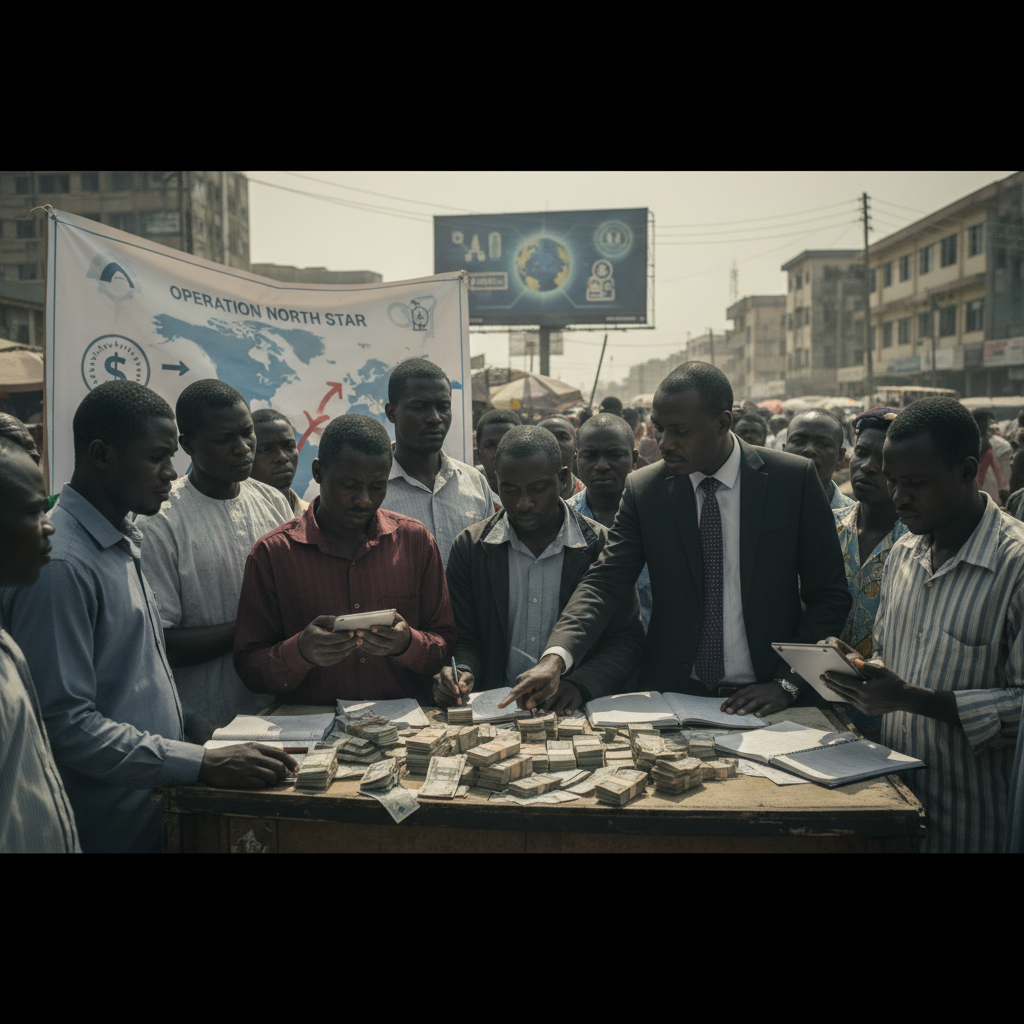
A Canadian police operation, Project Jetsetter, uncovered over GHS 2.61 million in financial losses from criminal tourism. The operation led to 46 arrests and 1,440 criminal charges, with 164 additional suspects still wanted. This initiative targeted international criminal networks operating within Canada.
These criminal tourists arrive in Canada with seemingly innocent intentions, but their true mission is to steal, defraud, and exploit. The crimes include vehicle financing fraud, insurance scams, and large-scale retail theft. Project Jetsetter spent over 5,000 investigative hours across nine separate investigations. Canadian authorities highlight criminal tourism as a growing form of organised crime, often linked to sophisticated international organisations.
The proactive stance in Canada contrasts with public concerns in Ghana regarding foreign criminal elements. Many Ghanaians worry about foreign nationals engaging in illegal mining, internet fraud, and other criminal activities. These concerns affect public safety and the integrity of local markets. Public perception often suggests that law enforcement in Ghana is inconsistent, with slow investigations and rare prosecutions of foreign offenders.
The Durham Regional Police Service (DRPS) announced Project Jetsetter's results. They described criminal tourism not merely as an immigration issue but as a significant public safety threat. Canadian authorities stated, "If you come to Canada to commit crimes, law enforcement will find you." This message underscores a commitment to dismantling entire criminal networks.
Ghana can learn from Canada's approach to criminal tourism. Stronger intelligence gathering, enhanced border screening, and better inter-agency cooperation are crucial. Developing specialised task forces focused on identifying organised criminal networks operating within Ghana could also improve national security. This proactive stance would protect citizens while maintaining Ghana's welcoming reputation.
Concerns about foreign nationals exploiting loopholes in regulations to dominate sectors reserved for local businesses persist in Ghana. Reports also include foreign nationals engaging in fraudulent investment schemes and other activities that threaten community safety. Public questions arise about the existence and effectiveness of coordinated efforts to tackle these issues. The public rarely hears about such efforts if they exist.
Ghana's hospitality should not become a vulnerability to criminal elements. While genuine investors and tourists are welcome, criminals must face the full force of the law. The success of Project Jetsetter shows what is possible when criminal tourism is treated as a serious threat. Ghana needs to enhance its intelligence sharing and law enforcement capabilities. This will ensure economic stability and public safety, reinforcing trust in the system.