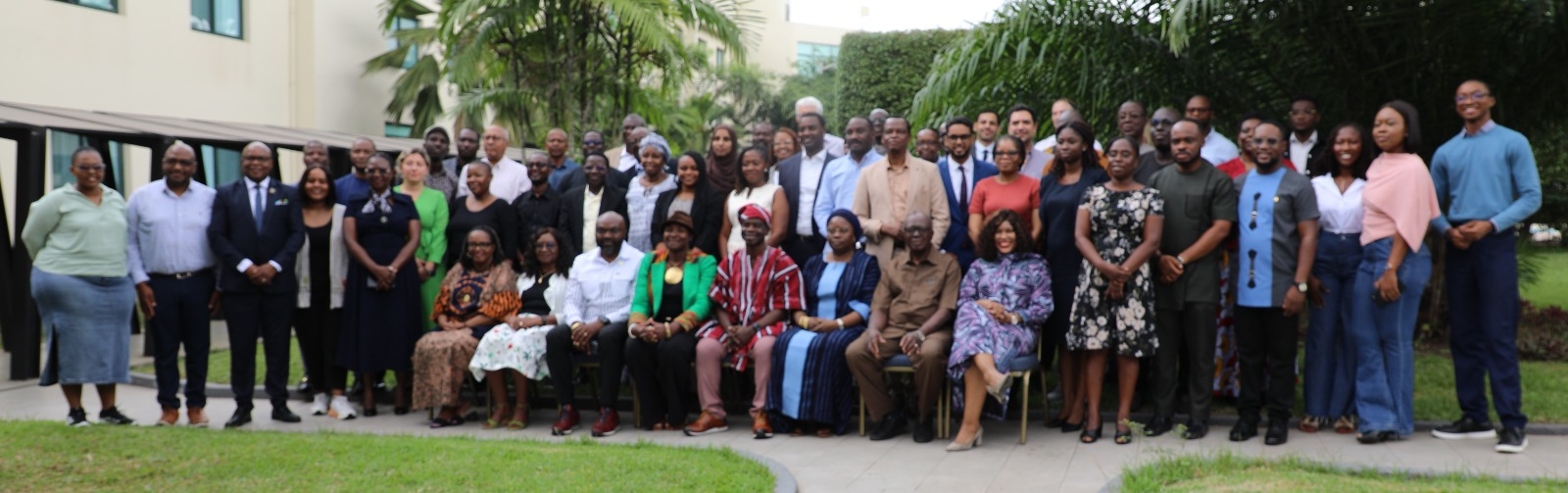
The African Group of Negotiators (AGN) on Climate Change convened a crucial three-day strategy meeting in Accra, Ghana, from August 12 to 14, 2026. This gathering brought together leading climate negotiators and stakeholders to solidify Africa’s collective stance before COP31 in Antalya, Türkiye. The primary objective was to develop a high-level political and technical strategy for the continent, moving beyond a review of recent technical negotiations held in Bonn.
AGN Chair Nana Dr. Antwi-Boasiako Amoah underscored the critical need for Africa to establish a clear negotiating position. He stated that with less than four months until the November climate summit, Africa cannot approach Antalya without a precise understanding of its goals. Dr. Amoah urged delegates to adopt a more strategic approach to both the substance and process of climate negotiations, moving past conventional methods.
The Accra meeting addressed several key issues vital to the continent’s future. These included climate adaptation, which focuses on how communities can adjust to the effects of climate change. Discussions also covered climate finance, referring to the money needed to fund climate-related activities, and just transition, which ensures a fair shift to a green economy. Agriculture and the Global Stocktake, a process to assess collective progress towards climate goals, were also central topics. Dr. Amoah stressed that negotiations must remain focused on the real impact of climate change on African populations and economies.
Dr. Amoah highlighted that for African countries, these negotiations are not merely about technical texts or procedural decisions. They are fundamentally about the people, economies, and development prospects of the continent. He cited challenges such as unpredictable rainfall, drought, flooding, and coastal erosion as realities that must inform Africa’s negotiating priorities. These environmental issues directly affect livelihoods and economic stability across the region.
A major emphasis of the meeting was the necessity for a unified African position. Climate negotiations increasingly intersect with other critical areas like trade, energy, peace, and security. Dr. Amoah affirmed that Africa’s greatest strength has always been its ability to unite as one group. He acknowledged the diverse circumstances and priorities among African nations but insisted that negotiators must enter global climate discussions with a shared responsibility to protect the continent’s interests.
Delegates, despite representing different countries and perspectives, carry a collective responsibility to defend and advance Africa’s interests in international forums. The meeting was expected to produce a practical roadmap and a COP31 Action Matrix. This matrix will outline specific responsibilities, timelines, and expected deliverables ahead of the summit. Dr. Amoah emphasized that the gathering must result in concrete actions rather than just another round of discussions.
The strategy developed in Accra will also look beyond COP31, laying groundwork for Africa’s engagement in COP32. COP32 is anticipated to be hosted in Addis Ababa, Ethiopia, further cementing Africa’s role in global climate discussions. Partners supporting this crucial meeting included the Africa Centre for Energy Policy (ACEP), the African Union Commission, and Power Shift Africa. The AGN leadership aims to ensure global climate decisions recognize Africa’s unique vulnerabilities while safeguarding its legitimate development aspirations.