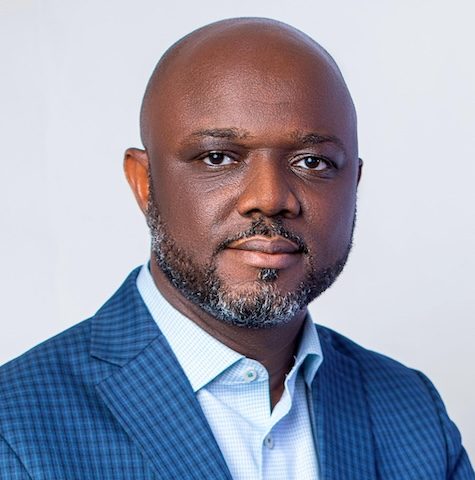
The Economic and Organised Crime Office (EOCO) should not use criminal investigations to determine money allegedly owed between the Electricity Company of Ghana (ECG) and Power Distribution Services (PDS) before accounts are reconciled. This is according to Benjamin Boakye, Executive Director of the Africa Centre for Energy Policy (ACEP). He argues that questions over disputed funds, professional fees, and contractual obligations must be separated from criminal allegations.
Mr. Boakye's intervention comes amid renewed scrutiny of EOCO’s investigation into transactions linked to the failed PDS electricity concession. This includes an alleged GHS 850 million connected to an account at CalBank. State officials believe these funds may have belonged to ECG, a claim disputed by PDS and its associates. The ACEP boss warns that the current approach risks institutionalised lawlessness, where broad discretionary powers appear heavy-handed.
This situation highlights a fundamental legal and institutional question within Ghana's economic governance. It asks at what point legitimate investigative powers risk becoming punishment before guilt is established. The PDS controversy has been a significant point of contention in Ghana's energy sector since the concession's termination in 2019. The current probe revives concerns about due process and the rule of law in high-profile financial investigations. This ongoing saga impacts investor confidence and the perception of Ghana's legal framework for business.
Mr. Boakye stated that investigation is not punishment, and bail conditions should not become punishment by another name. He expressed concern that PDS executives and lawyers arrested were reportedly required to report to EOCO every three days. Furthermore, accounts belonging to PDS, its executives, and some lawyers have been frozen. This includes private accounts of individuals who, he argues, had no direct dealings with the State in the underlying transaction.
These concerns echo a recent commentary by Samson Lardy Anyenini, who reviewed court documents related to the case. He noted that businessman Philip Kwame Asare Ayesu was detained for two days and placed on GHS 100 million bail. Corporate and personal accounts were also frozen. The law firm Minkah-Premo, Osei-Bonsu, Bruce-Cathline and Partners also reported that two of its lawyers were detained and granted GHS 50 million bail each. They rejected suggestions of wrongdoing involving the disputed GHS 850 million, characterising their treatment as intimidation.
EOCO Executive Director Raymond Archer has rejected claims of improper conduct in the PDS investigation. He described the exercise as professional and methodical, asserting that the Office proceeds on evidence and in accordance with due process. Anti-corruption and financial-crime agencies must preserve assets and prevent the dissipation of suspected proceeds. Economic crimes often involve complex structures and rapid transactions, requiring extensive forensic analysis. However, the existence of these powers does not remove the question of proportionality.
Mr. Boakye further claimed that EOCO sought to move money from frozen accounts into an account under its control. He stated that most banks reportedly declined without a specific court order, while CalBank complied. This assertion has not been independently verified by NorvanReports. However, his broader question about the legal character of frozen money and the limits of investigative powers remains pertinent. This situation raises critical questions for Ghana's legal system and its approach to economic crime.
The implications of this dispute are significant for Ghana's business environment and the integrity of its legal institutions. Decision-makers and markets will closely watch how EOCO balances its mandate to investigate financial crimes with upholding due process. The outcome could set a precedent for future high-profile cases involving alleged financial misconduct. It will also influence public trust in the fairness and impartiality of state investigative bodies. The need for clear guidelines on asset freezing and bail conditions is paramount to prevent perceived abuses of power.