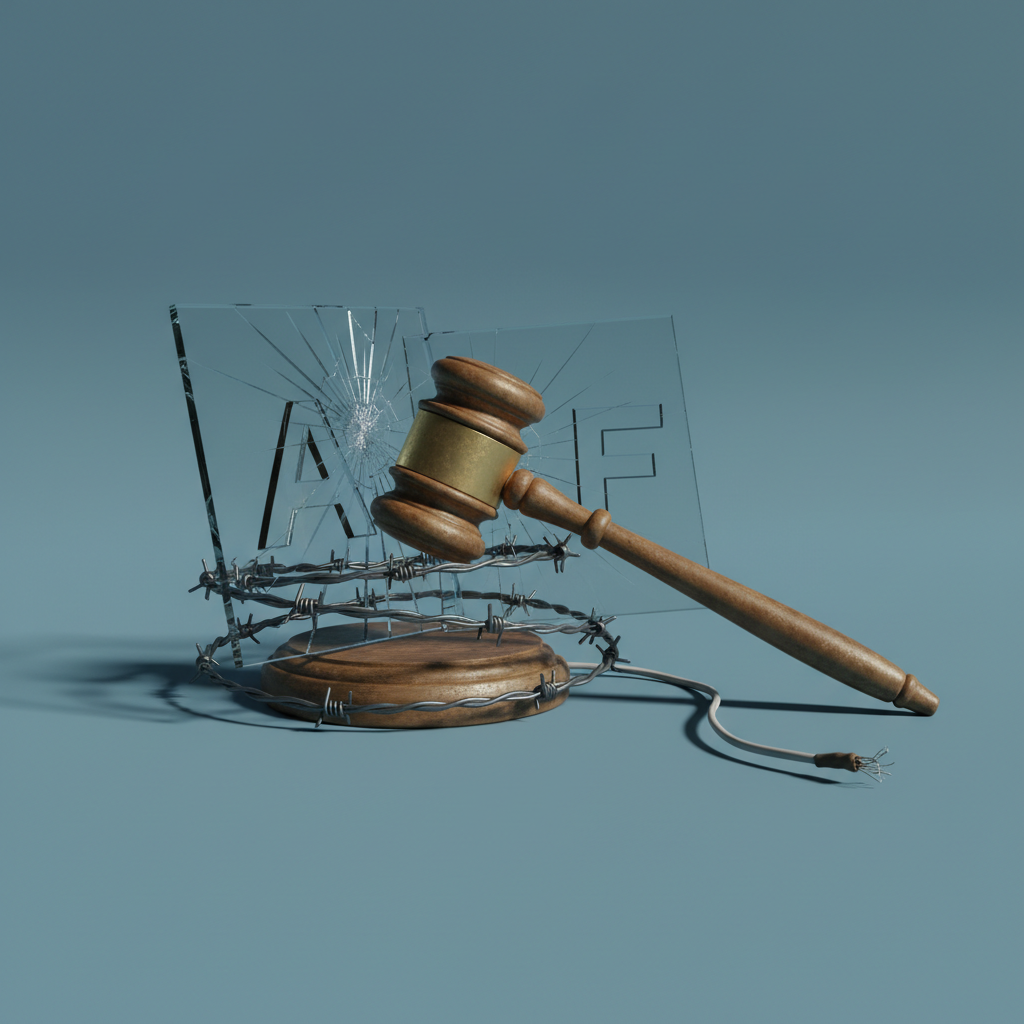
ABC and its parent company Disney have sued the Federal Communications Commission (FCC). They allege the Trump administration used pressure tactics that forced the television network to change its programming. This legal action seeks to block the FCC's unusual early review of broadcast licenses for eight Disney-owned local TV stations.
The network claims this intimidation led to programming compromises. For example, ABC refrained from booking political candidates on its popular daytime talk show, "The View." It also altered how it aired a prime-time address by former President Trump. The lawsuit argues the administration unlawfully seeks to punish ABC for its broadcast content and force programming changes.
This dispute fits into a broader narrative of tension between the Trump administration and media organizations. Since 2024, Trump has repeatedly called for the FCC to revoke licenses of ABC stations. This included calls after the network declined to air a prime-time address on election security. The FCC's actions, including 600 requests for information and 13,000 pages of documents, are seen by ABC as a "retaliatory campaign."
FCC Chair Brendan Carr denied the agency infringed on Disney's free speech rights. He stated the agency was not responding to Trump's dislike of specific content. Carr emphasized the FCC's role is to hold broadcasters accountable to the public interest standard. He noted that broadcasters receive free use of airwaves in exchange for providing programming in the public interest. Carr added that any decision would be based on facts, law, and the record.
The lawsuit highlights significant implications for media independence and regulatory oversight. Journalism professor Gabriel Kahn from the University of Southern California's Annenberg School for Communication and Journalism commented on the situation. He stated this "policy of intimidation has already worked, to a certain extent." Kahn believes it forces media organizations to "cower and keep their heads down." This impacts their ability to act according to their First Amendment rights, which protect free speech.
The FCC typically renews broadcast licenses every eight years. The licenses for the eight Disney-owned stations were not due to expire until between 2028 and 2031. The FCC had not conducted such an early license review in half a century. This unusual timing and the extensive information requests suggest a targeted approach. The FCC also sought data on political donations made by staff, raising further concerns.
ABC's lawsuit states the FCC's review means the network cannot afford to "ignore the consequences of any decision that might anger the Administration or the FCC Chairman." This fear of retaliation directly influenced editorial choices. For instance, ABC decided not to broadcast Trump's July 16 speech live. Instead, it carried the speech on its streaming service. This was a departure from its usual practice, made due to the "risk of resulting Administration retaliation."
The network's popular show, "The View," has not featured a political candidate since February. This change occurred after a Democratic candidate appeared on the show. Historically, decisions about guests were based on newsworthiness and audience interest. The lawsuit claims ABC must now evaluate any invitation to a political candidate for its "potential consequences." This demonstrates a chilling effect on editorial independence. The FCC had previously exempted "The View" from "equal-time" rules under the Biden administration. This exemption recognized it as a bona fide news program. The current FCC inquiry into a candidate's appearance suggests a reversal of this stance.