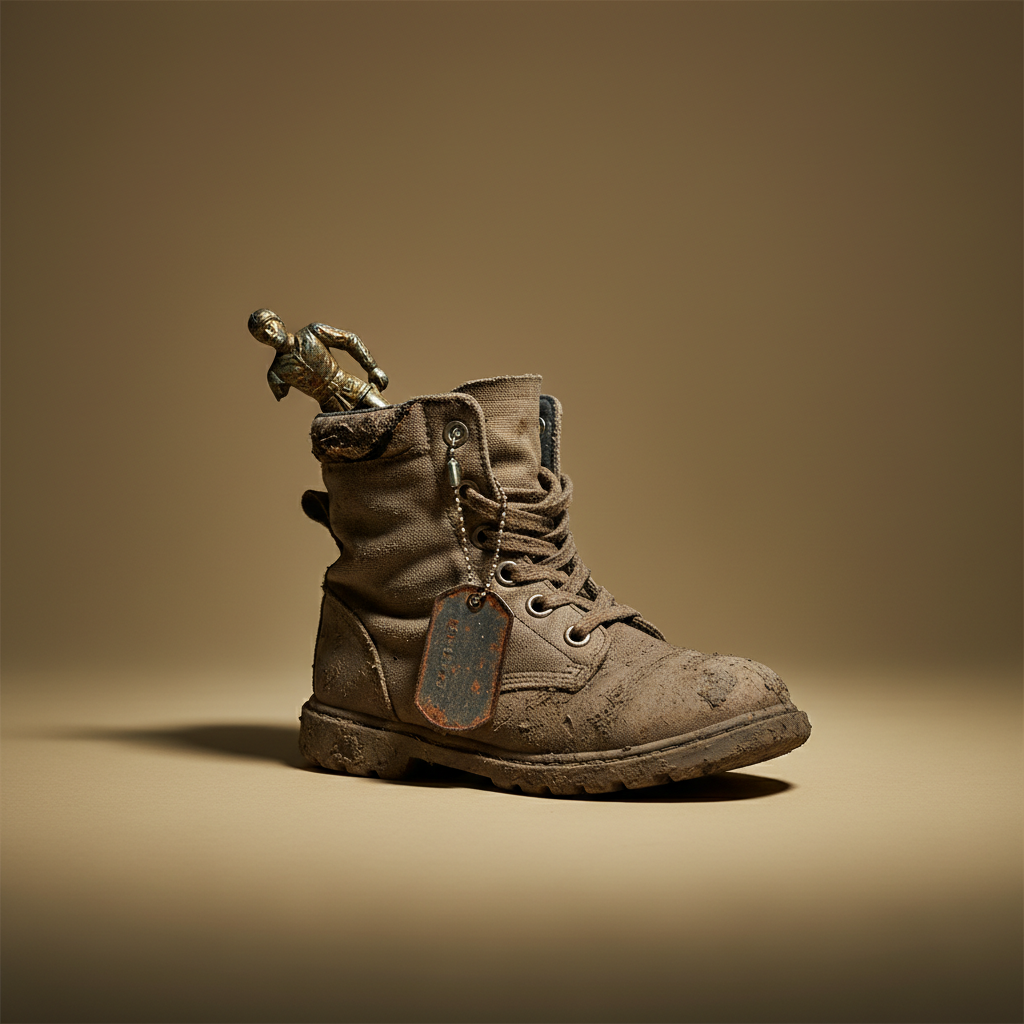
Yusuf Ali, a 34-year-old former child soldier, still experiences nightmares from his time fighting in Mogadishu. He was involved in the Islamist insurgency that began nearly 20 years ago. While Mogadishu's buildings have been repaired, support for those with psychological scars from the war is scarce. Ali's story reveals a deep need for mental health services in the country.
At age 14, Yusuf Ali was drawn into combat. This was after a coalition of Islamic courts took power and began facing opposition. The Union of Islamic Courts' youth wing, al-Shabab, means 'The Lads'. In December 2006, Ethiopia invaded Somalia with support from the United States. This invasion aimed to remove the courts from power. The invasion was very unpopular with Somalis. Al-Shabab and other groups formed the Muqawama, meaning 'Resistance,' to fight back.
Yusuf Ali lived in Huriwaa, a poor area of Mogadishu. His father died when he was just one year old. This was during the 'Battle of Mogadishu' against US soldiers. Growing up without a father was difficult. The guerrilla warfare during the Ethiopian invasion changed his life forever. Hundreds of thousands of people fled the fighting to Elasha Biyaha. They built temporary shelters there. Ali remembers hearing planes at night. He did not know then they were surveilling his neighborhood.
By the spring of 2007, fighting grew worse. Heavy shelling hit crowded neighborhoods where insurgents might be hiding. Ali recounts a night when shells struck his neighbor's house. His own house shook violently. He heard screams and saw a lifeless body. It was a young girl of his age. He had seen death before. This night deeply affected him. His family fled to Elasha Biyaha, a safe haven for many. Young people, including boys his age, wanted to return. They wanted to fight outsiders they called 'Gaalo'. This Somali word means infidels.
Sermons at the mosque encouraged people to defend their country. Villagers heard calls to fight the 'Gaalo'. This made many feel angry and ready to fight. Yusuf Ali joined the Muqawama. This group included former army commanders. They taught young people how to use guns. They practiced quick attacks and then escaping. By age 16, Ali was in Mogadishu. He was fighting alongside other young men in the city's streets.
The fighters received guns but no pay. They shared food together. Weapons were easy to buy in Mogadishu after the government collapsed in 1991. Some of the people Ali fought were young Somali soldiers. These soldiers supported the transitional government. They fought with Ethiopian troops. Street fighting was common. They fired from windows and doorways. Ali sometimes saw dead Somali soldiers. They looked around his age. He would pause for a moment. Then he would continue fighting. The fighting was very intense. He felt it was a matter of survival. 'It was either killed or be killed,' he said. They believed they were fighting for a worthy cause. Somalis fighting with Ethiopia were seen as traitors. They believed they were betraying their own country. The United Nations and Western countries recognized the transitional government.
From 2007 to 2009, Mogadishu was badly damaged. Ethiopia faced international criticism for its actions. War crime accusations were made against all sides. Ethiopia's army eventually left. The Islamist militants broke into smaller groups. Some joined the interim government. Others remained hardliners. Yusuf Ali began to question the war. He wondered if it was worth fighting. Some men he fought with were now fighting their former allies. His mother and siblings wanted a better life for him. His uncle also urged him to leave. He suggested going to South Africa to start over.
In 2009, Yusuf Ali was taken to Johannesburg. He traveled by road. He lived in South Africa for five years. He worked in his uncle's shop. However, xenophobic attacks in South Africa created new fears. These events illustrate a wider challenge. Somalia faces a significant gap in mental health care. Decades of conflict have left deep psychological scars. Many like Yusuf Ali have no resources for healing. This lack of support impacts individuals and communities. It hinders long-term recovery and peacebuilding efforts.