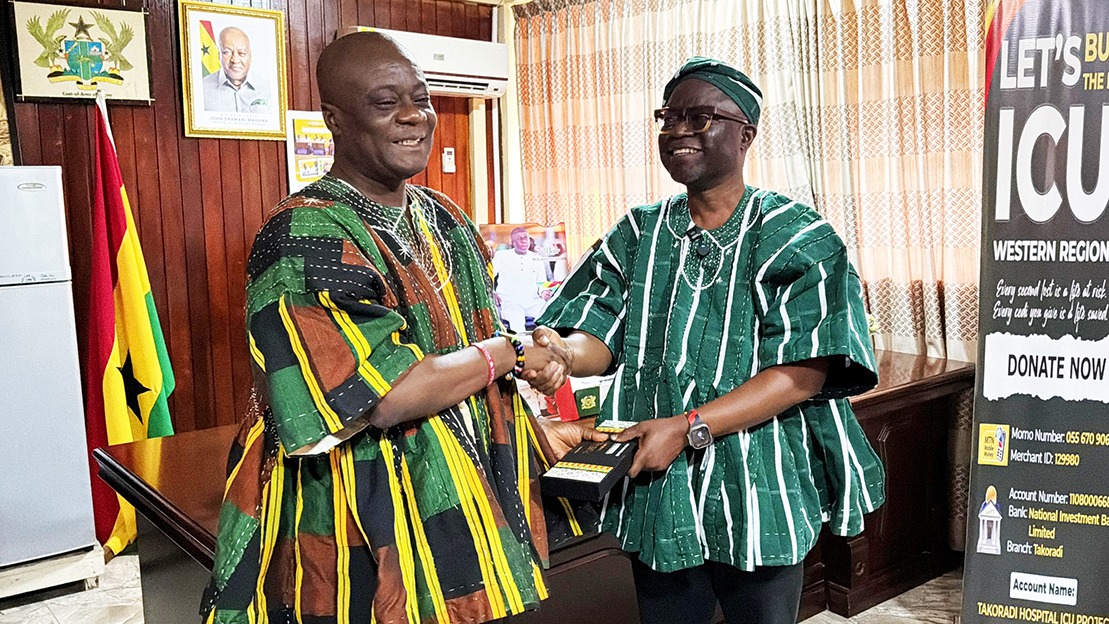
The Western Regional Minister, Joseph Nelson, has warned that a lack of coordination among state institutions is costing the region billions of GHS. This 'silo mentality' undermines economic potential, leading to lost investment and export opportunities. He emphasized that poor information sharing creates bottlenecks for development efforts.
Mr. Nelson stated that government agencies fail to provide businesses with coordinated support. This limits the government's ability to attract and retain crucial investments. The Minister's remarks came during a visit by Francis Kojo Kwarteng Arthur, CEO of the Ghana Export Promotion Authority (GEPA).
This issue highlights broader challenges in Ghana's economic development strategy. The country is intensifying efforts to reduce import dependence and boost exports. The Western Region, rich in natural resources and agricultural potential, is key to this national drive. Effective collaboration is essential for maximizing its contribution.
Mr. Nelson cited the Ghana Investment Promotion Centre (GIPC) as an example. GIPC registers companies without adequately informing the Regional Coordinating Council (RCC). This information gap makes it difficult for the RCC to identify and support businesses. Early intervention could prevent disputes with host communities, but the RCC often learns of problems too late.
The Minister called for a unified approach among state institutions. Agencies involved in investment promotion, trade, and regional development must share information. He stressed that working towards common objectives would achieve far greater results. A deliberate information-sharing mechanism is needed to keep the RCC informed about regional investments.
Francis Kojo Kwarteng Arthur, GEPA CEO, reported significant growth in Ghana's non-traditional exports. These exports increased from US$3.8 billion in 2024 to over US$5 billion in 2025. He attributed this growth to efforts promoting Ghanaian products internationally. Mr. Arthur expressed optimism for further growth through targeted support for local producers.
GEPA's 'One District, One Exportable Product' initiative aims to identify export potential in each district. This program connects producers to international markets. It seeks to transform local potential into sustainable export opportunities. This initiative also creates jobs and generates foreign exchange for the country.
Mr. Arthur announced plans for a joint office in the Western North Region. This office will house GEPA and other relevant government agencies. The move aims to improve institutional collaboration and eliminate duplicated efforts. It will also bring export and business support services closer to producers and entrepreneurs.
Stronger collaboration among government institutions is crucial for Ghana's export ambitions. This is particularly true at the regional and district levels. The government seeks to expand the country's export base and promote value addition. Creating more opportunities for Ghanaian businesses in international markets remains a key goal.
The lack of internal coordination could hinder these national objectives. Addressing the 'silo mentality' is vital for unlocking the Western Region's full economic potential. This would ensure Ghana achieves its broader economic growth and export targets.