Five districts in Ghana's Upper East Region face an annual crisis of water scarcity and sanitation challenges for six months each year. This situation, driven by the impacts of climate change, leaves communities struggling to access clean water and maintain proper hygiene.
During this extended dry season, water sources frequently dry up, rendering many toilets unusable. Women and girls in affected areas bear a significant burden, often spending up to four hours daily searching for water for their families. This persistent challenge highlights the severe human cost of climate change in northern Ghana.
This annual crisis significantly impacts the region's socio-economic stability and public health. The Upper East Region, already one of Ghana's most vulnerable areas, sees its development efforts hampered by these recurring environmental stressors. The situation exacerbates poverty, particularly in districts where agriculture is the primary livelihood for a large portion of the population.
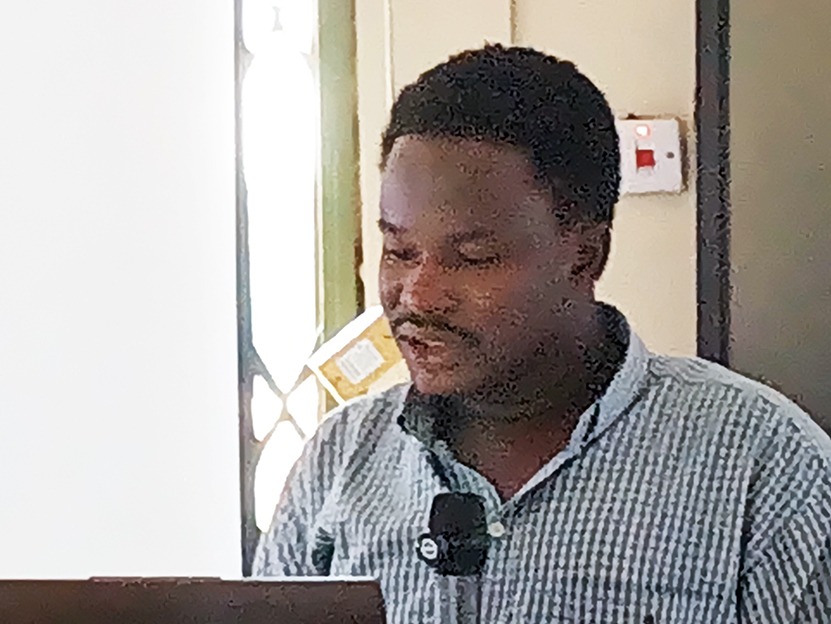
Mr. Sebastian Mbabugri Agumah, Project Lead for the SIDA-CLIMB Better WASH Partnership, described this reality at a training workshop for 30 journalists in Bolgatanga. He stated that the dry season now lasts almost six months annually, bringing widespread water scarcity, sanitation problems, and hygiene crises. The training, organized by the Belim Wusa Development Agency (BEWDA) in partnership with WaterAid Ghana, aims to improve reporting on climate change's impact on water and sanitation in northern Ghana.
The partnership seeks to mobilize civil society and communities to hold local authorities accountable for climate-resilient Water, Sanitation, and Hygiene (WASH) investments. The five affected districts are Bawku West, Bongo, Kassena Nankana Municipal, Kassena Nankana West, and Nabdam. These efforts are crucial for ensuring that decision-makers address the urgent needs of these vulnerable communities.
In Bawku West District, the Bagre Dam spillage causes annual flooding, affecting 500 households each year. While 68% of residents have water access, sanitation coverage stands at only 15.6%. The community of Agatuse, for example, shares a single, frequently full toilet facility. Rainstorms also destroy schools, and wildfires damage WASH facilities, further compounding the district's challenges.
Bongo District, with a population of 120,254, faces significant water quality issues. Although 82% of residents have water access, 30% of boreholes are contaminated with fluoride, rendering many unusable. Rebuilding toilets destroyed by floods also presents a major challenge for vulnerable communities unable to afford repairs.
Kassena Nankana Municipality, home to 137,439 people, has a substantial WASH gap. Sanitation coverage is only 35%, and water access is 55%, despite the Tono Dam's capacity to serve 350,000 households. Open defecation persists, and 30% of water sources are contaminated with faecal coliform bacteria, posing serious health risks.
Paga, the capital of Kassena Nankana West, has the region's lowest sanitation coverage at 9%. A staggering 91% of households lack toilet facilities, resorting to open defecation. Approximately 40% of households live below the poverty line, making household toilet construction unaffordable. This dire situation was highlighted by a community member during a vulnerability assessment, who stated that the bush was their only option.
Nabdam District, with a population of 53,039, records Ghana's highest poverty rate at 68.6%. Only 55% of residents have water access, and 25% of children under five suffer from malnutrition. About 95.7% of the population depends on agriculture for their livelihood, making them highly susceptible to climate impacts. Communities like Kparaboug experience severe water shortages, with 60% of households relying on unprotected water sources during the dry season.
Mr. Agumah urged the media to undertake effective reporting that leads to action. He challenged journalists to investigate and hold duty-bearers at both local and national levels accountable. This accountability is essential for driving the necessary investments and policy changes to mitigate the ongoing crisis and build climate resilience in these vulnerable districts.