The United Nations is deeply concerned about violent protests. These protests took place outside its offices in Libya this week. The UN blames social media for spreading false information. This disinformation was about the world body's work in the country.
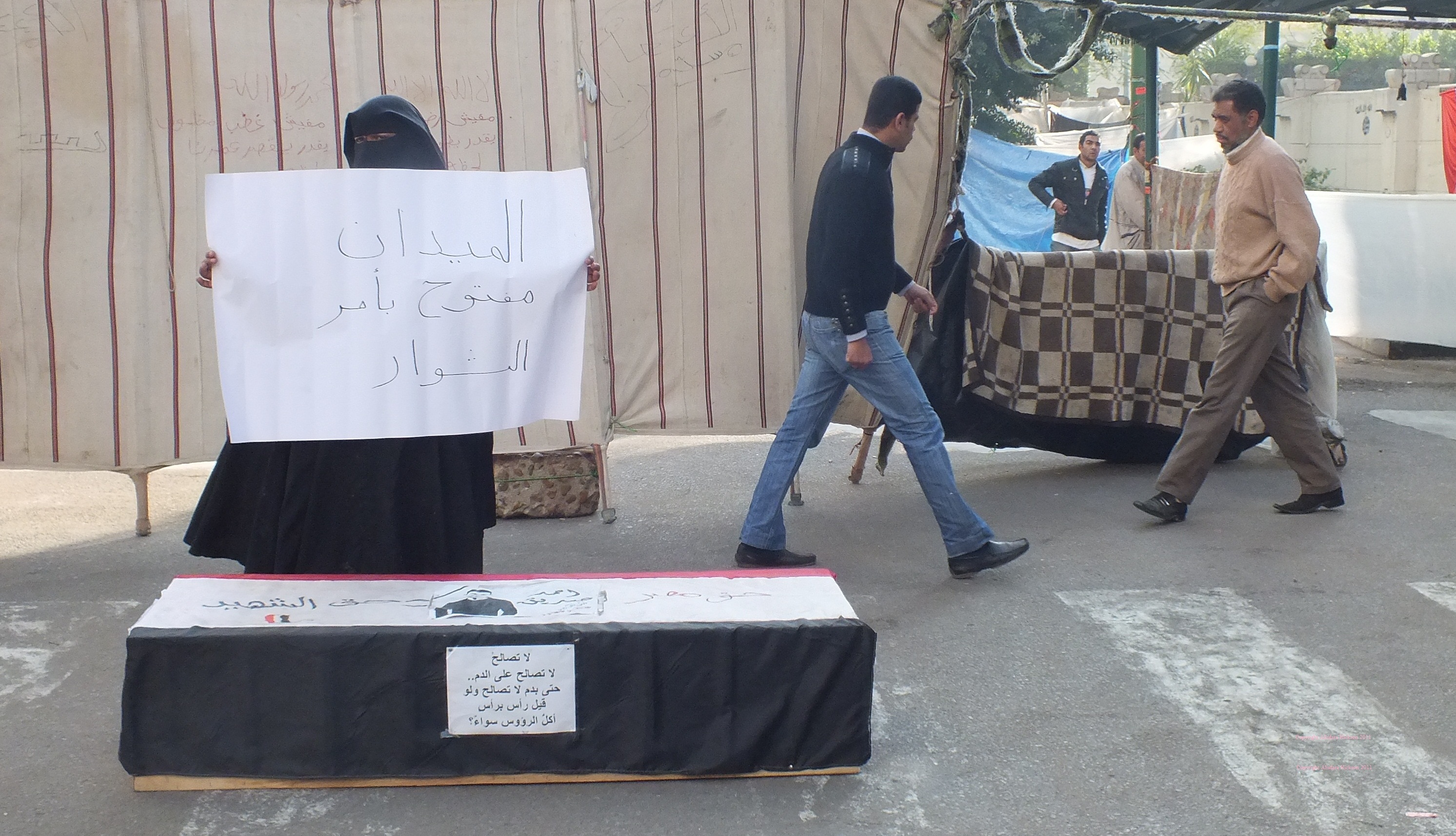
Hundreds of Libyan demonstrators blocked the UN refugee agency (UNHCR) office. This happened in Tripoli on Thursday. They protested against migrants seeking work or passage to Europe. These were the largest demonstrations against migrants recently. Some Libyans blame migrants for social and economic problems. These issues have worsened during 15 years of conflict.
The UN spokesperson, Stephane Dujarric, spoke on Friday. He said they were concerned by the violent protests. They targeted the UNHCR and UNSMIL headquarters in Tripoli. The UN strongly condemns attacks on personnel or premises. Dujarric added that they are concerned by misinformation. This concerns the United Nations' work in Libya.
Dujarric said fighting disinformation in Libya is very challenging. He asked social media platforms to cooperate. UNSMIL, the UN Support Mission in Libya, clarified a key point. They stated on Thursday that there is no UN resettlement program in Libya. The UNHCR helps people fleeing war. They focus on solutions outside Libya. This includes evacuation to third countries. It also includes voluntary return when safe.
Libya has been a transit route for migrants since 2011. Hundreds of thousands flee conflict and poverty. Many risk dangerous journeys across the desert or Mediterranean Sea. Libya's oil-dependent economy also attracts migrants seeking jobs. They often take on menial tasks. Libyans are reluctant to fill these roles.
This situation in Libya highlights a growing global challenge. The rapid spread of information online can have serious consequences. Disinformation can incite public anger. It can lead to unrest and put international staff at risk. Governments and tech companies face pressure to act. They must find ways to prevent the spread of harmful falsehoods.
The incidents in Tripoli show the real-world impact of online narratives. These narratives are often amplified without verification. The UN's statement underscores the need for better online content moderation. It also points to the importance of media literacy for citizens.