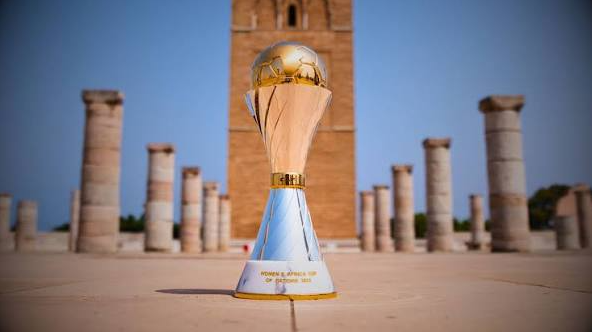
Ghana's national women's football team, the Black Queens, has secured a place in the quarter-finals of the 2026 Women’s Africa Cup of Nations (WAFCON). They will face Malawi in a decisive match on Sunday, August 9, 2026, at 20:00 GMT in Rabat, Morocco. This advancement positions Ghana closer to a potential historic WAFCON achievement and a coveted spot in the 2027 FIFA Women’s World Cup.
The Black Queens earned their quarter-final berth after a 1-1 draw against Mali in their final Group D match. This result was sufficient to propel them into the knockout stage of Africa's premier women's football tournament. Their upcoming opponent, Malawi, has been a surprise contender in the competition, demonstrating strong performances that add an extra layer of challenge and excitement to the fixture.
The WAFCON 2026 tournament holds significant importance beyond continental supremacy. It also functions as a critical part of Africa’s qualification process for the 2027 FIFA Women’s World Cup, which will be held in Brazil. Success in these knockout stages directly impacts a nation's chances of representing Africa on the global stage, making each match intensely competitive.
Eight teams remain in contention for the WAFCON title and World Cup qualification. These include defending champions Nigeria, hosts Morocco, Ghana, Cameroon, Malawi, Algeria, Ivory Coast, and South Africa. The quarter-final matches are spread across Saturday, August 8, and Sunday, August 9, 2026, in various venues across Morocco.
Other quarter-final fixtures include Ivory Coast against Algeria on Saturday, August 8, at 17:00 GMT in Casablanca. Later that day, hosts Morocco will play South Africa in Rabat at 20:00 GMT. Sunday's schedule also features a heavyweight clash between Cameroon and Nigeria in Casablanca at 17:00 GMT. These matches will determine which teams advance to the semi-finals, intensifying the battle for the WAFCON 2026 crown.
The economic implications of participating in and excelling at such international tournaments are substantial for Ghana. Increased visibility for the national team can attract more investment into women's sports, potentially leading to better infrastructure, training facilities, and professional opportunities for female athletes. Success on the field often translates into greater public interest and sponsorship deals, which can provide a much-needed boost to the sports economy.
Furthermore, a strong performance by the Black Queens could inspire a new generation of female footballers across Ghana. This can foster grassroots development and contribute to the long-term growth of sports participation among women. The national pride generated by such achievements can also have broader societal benefits, uniting the country and showcasing Ghana's talent on an international platform.
Decision-makers in sports federations and government bodies will closely watch these outcomes. A successful campaign could prompt increased allocation of resources to women's football programs, recognizing the potential for both sporting glory and economic returns. The performance against Malawi will be a key indicator of Ghana's readiness to compete at the highest levels of international women's football.