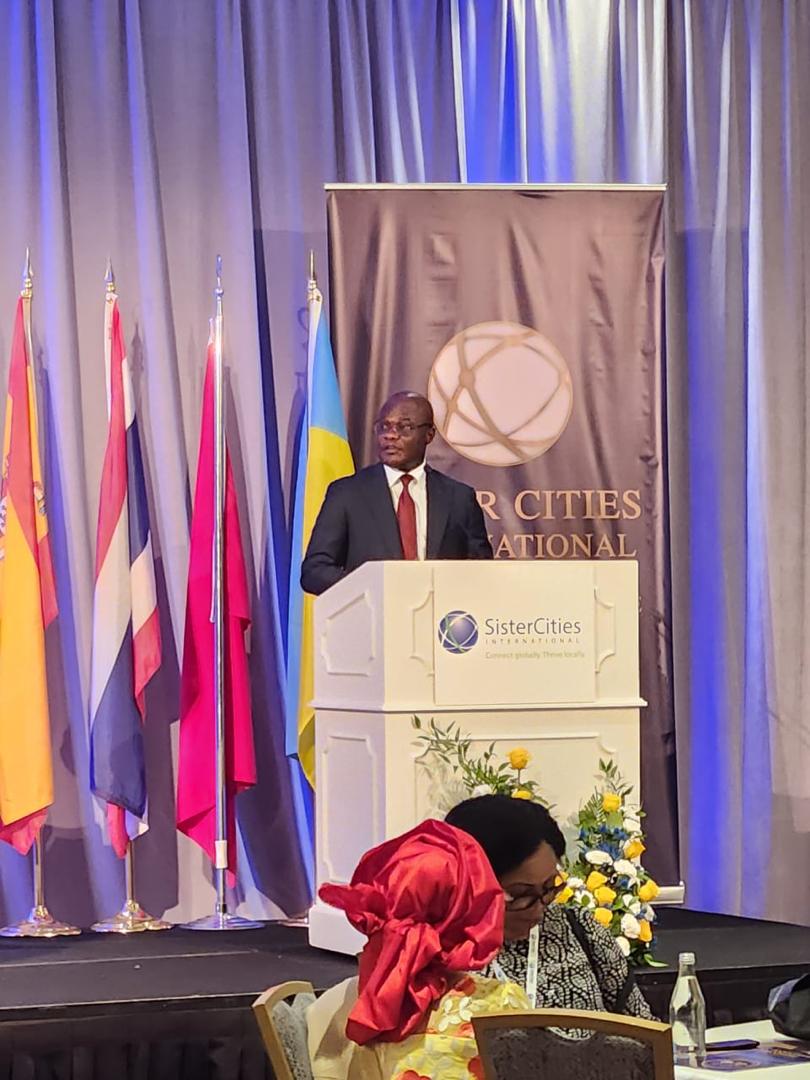
Ghana is actively positioning its local governments to foster international partnerships, aiming to drive economic development and global engagement through Sister Cities initiatives. This strategic move seeks to connect Ghanaian cities with international counterparts, facilitating knowledge exchange, trade, and cultural ties. The government believes these partnerships will unlock new avenues for growth at the local level.
This initiative is part of a broader national strategy to decentralize economic growth and integrate local economies more deeply into the global market. By empowering local governments to forge direct international relationships, Ghana hopes to attract foreign investment, stimulate local industries, and create new opportunities for communities across the country. The focus is on sustainable development and mutual benefits for all participating cities.
Ghana's push for Sister Cities partnerships aligns with its long-term economic development agenda, which emphasizes diversification and increased international trade. This strategy complements existing national efforts to improve infrastructure and create a more favorable business environment. Previous government programs have also sought to enhance local governance capacity, making this a natural progression in Ghana's development trajectory.
While no specific quotes or attributions are available in the provided source, the emphasis on local government empowerment suggests a coordinated effort from national policy makers. Experts in international relations often highlight that such partnerships can lead to significant economic and social benefits. These benefits include technology transfer, cultural exchange, and improved public services through shared best practices.
The success of this initiative will depend on the active participation of local authorities and their ability to identify and cultivate meaningful partnerships. Future developments will likely involve specific agreements between Ghanaian cities and their international counterparts, detailing areas of cooperation. Decision-makers will closely monitor the economic impact and the tangible benefits these partnerships bring to local communities and the broader Ghanaian economy.
This program represents a proactive step by Ghana to enhance its global standing and foster grassroots development. It could lead to increased foreign direct investment (FDI) in various regions, moving beyond traditional urban centers. The government's commitment to this strategy indicates a belief in the potential of local entities to drive national progress. Observers will be watching for concrete outcomes, such as new trade agreements or infrastructure projects, stemming from these international collaborations.
The initiative also aims to strengthen diplomatic ties and promote Ghana's cultural heritage on a global stage. By engaging diverse international partners, Ghanaian cities can showcase their unique attributes and attract tourism. This holistic approach seeks to leverage all aspects of international cooperation for national benefit. The long-term vision is to create a network of globally connected Ghanaian cities, each contributing to the nation's prosperity.