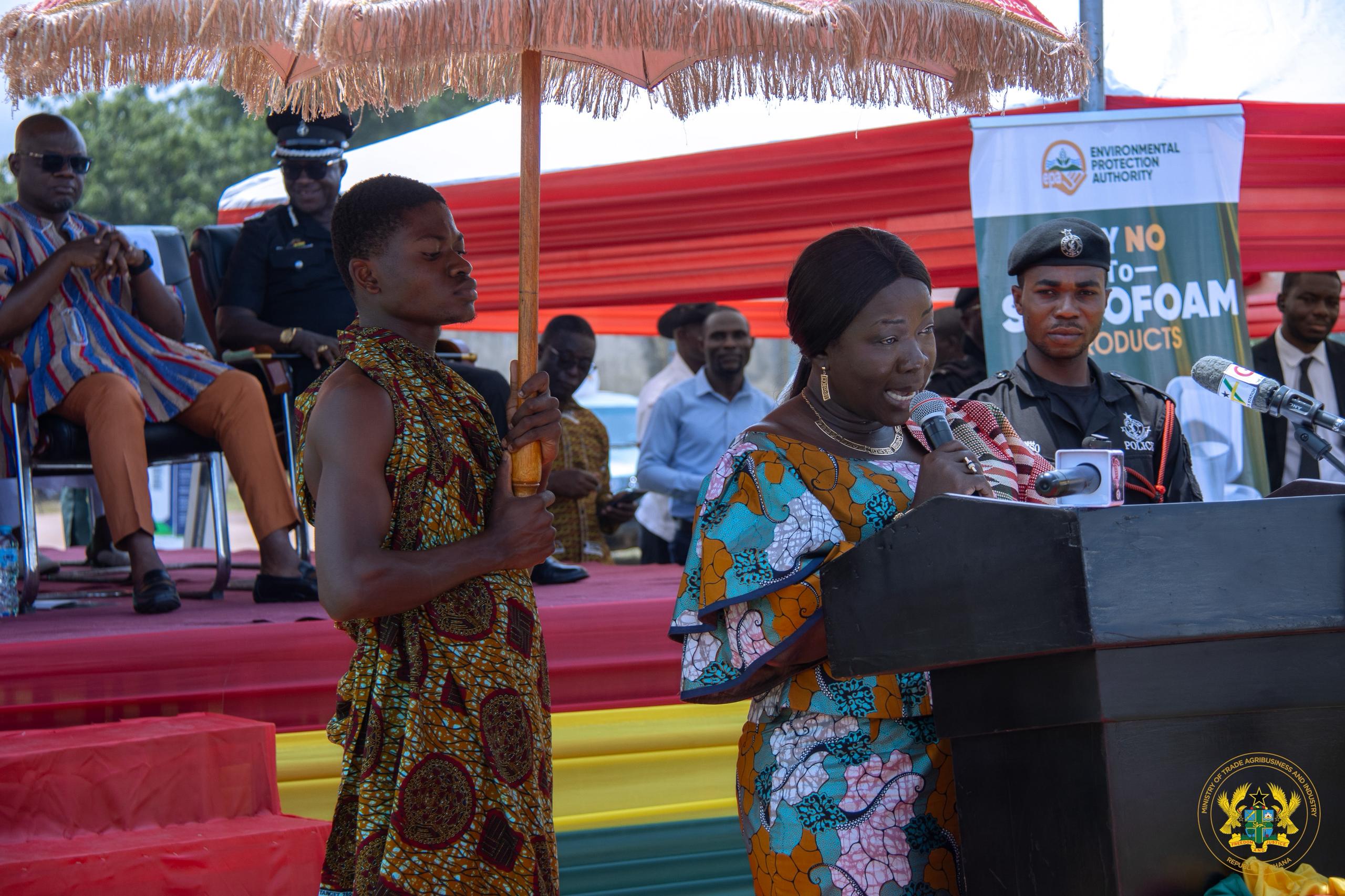
Ghana's government has reaffirmed its commitment to unlocking the Central Region's economic potential. This initiative aims to drive production, attract investment, and create jobs. The Minister for Trade, Agribusiness and Industry, Elizabeth Ofosu-Adjare, made this pledge on Monday, August 31, 2026. She spoke at the 5th Central Regional Expo in Cape Coast, representing President John Dramani Mahama.
A key part of this strategy involves establishing a Special Economic Zone in Gomoa Central. This zone spans approximately 21,000 acres. It has plans for over 200 factories, with the potential to create around 60,000 jobs. This development is expected to boost demand for raw materials, logistics, and skilled labour across Ghana.
This focus on regional development aligns with Ghana's broader economic goals. The government seeks to diversify the economy and increase non-traditional exports. In 2025, Ghana's non-traditional export earnings exceeded US$5 billion. Manufactured and semi-processed products accounted for over 80 per cent of these earnings. The government's 'Made-in-Ghana Promotion' agenda encourages local sourcing and improved product quality.
Hon. Elizabeth Ofosu-Adjare emphasized the region's strong foundations for economic transformation. She cited fertile agricultural areas, a fishing economy, and significant tourism assets. The Minister also highlighted productive infrastructure from the now-completed Rural Enterprises Programme. These facilities are in areas like Nsuaem-Kyekyewere and Agona Swedru. They must be used for agro-processing and job creation under the 'Rapid Industrialization for Jobs' agenda.
The government is also working to revitalize the Komenda Sugar Factory. Transaction advisers have been engaged to find investors for sustainable operation. Cape Coast is also one of three locations identified for new garment factories. Feasibility studies are currently underway for this initiative. This could create opportunities in garment production and related services. It also provides pathways from skills development to employment through the 'Apprenticeship-to-Entrepreneurship' initiative.
The 'Export Ghana' agenda and 'Accelerated Export Development Programme' aim to help Ghanaian businesses. They seek to access larger markets, especially through the African Continental Free Trade Area (AfCFTA). AfCFTA offers access to about 1.3 billion people with a combined GDP exceeding US$3 trillion. The Minister also mentioned the '24-Hour Economy' framework. This framework aims to better utilize factories, cold-chain facilities, and transportation. It also seeks to create additional employment opportunities.
The Central Regional Minister, Ekow Panyin Okyere Eduamoah, described the Expo's fifth anniversary as a milestone. He noted its growth into an economic platform connecting various businesses. These include bead makers with exporters and fisherfolk with cold-chain investors. The region's tourism, arable land, and youthful population position it for increased investment. The Omanhene of the Oguaa Traditional Area, Osabarima Dr. Kwesi Atta II, also stressed the role of traditional authorities. He called for stronger collaboration among government, the private sector, and traditional leaders for sustainable development.
The government's commitment signals a strategic push for regional economic growth. Investors will closely watch the progress of the Gomoa Central Special Economic Zone. The revitalization of key industrial assets like the Komenda Sugar Factory will also be a focus. Success in these areas could significantly impact national output and job creation. It could also strengthen Ghana's position in the African export market. The ongoing efforts to improve product quality and access larger markets are crucial for long-term economic stability.