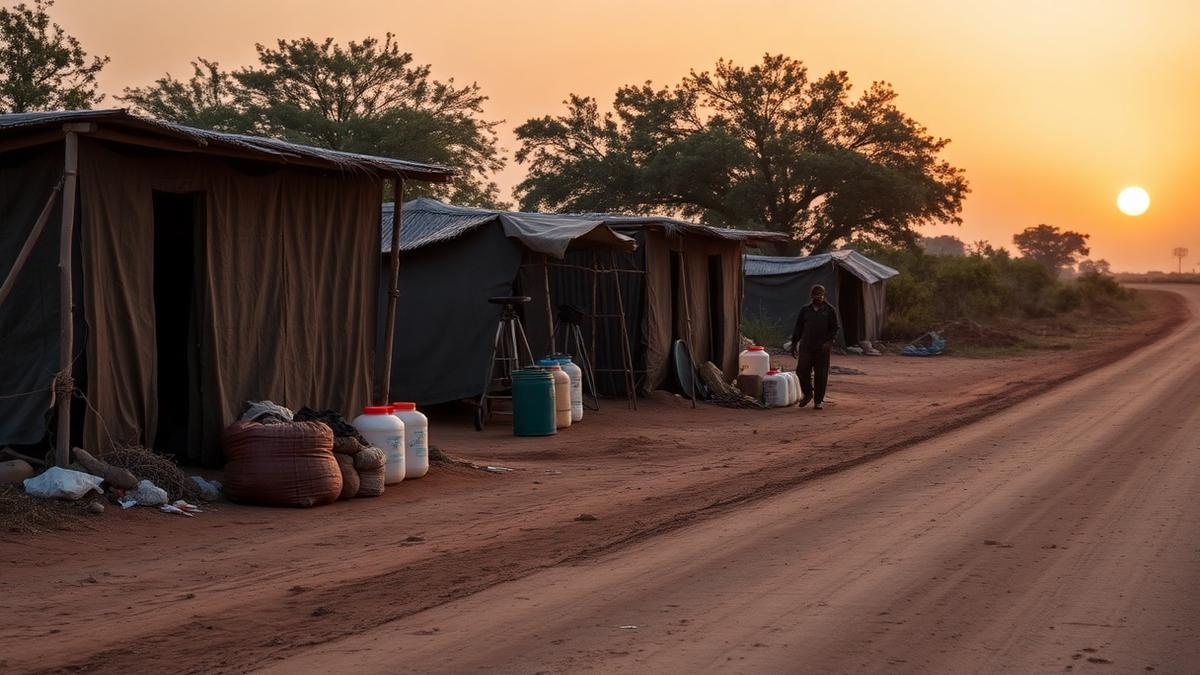
A University of Ghana study has found that Burkinabe refugees are bringing both social benefits and new pressures to host communities in Northern Ghana.
The study used data from 250 respondents, including refugees, host community members and stakeholders.
The findings show a mixed picture. On the positive side, 58.4% of respondents pointed to increased cultural diversity. Another 74.8% said social networks had improved.
But the pressure on local communities was also clear. About 60.4% of respondents reported competition for resources. Another 63.6% pointed to rising living costs.
Integration remains difficult. Language barriers were reported by 76.4% of respondents. Discrimination was reported by 58%. Inadequate government support was reported by 89.2%.
The study also found that 67.2% of respondents saw poor coordination between international agencies and local authorities as a problem.
This matters because refugee support is not only about helping displaced people. It is also about protecting the host communities that carry the daily pressure.
The public message is clear. Northern Ghana needs stronger local coordination, better public services and support for both refugees and host communities.
Without that, goodwill may weaken as costs rise.