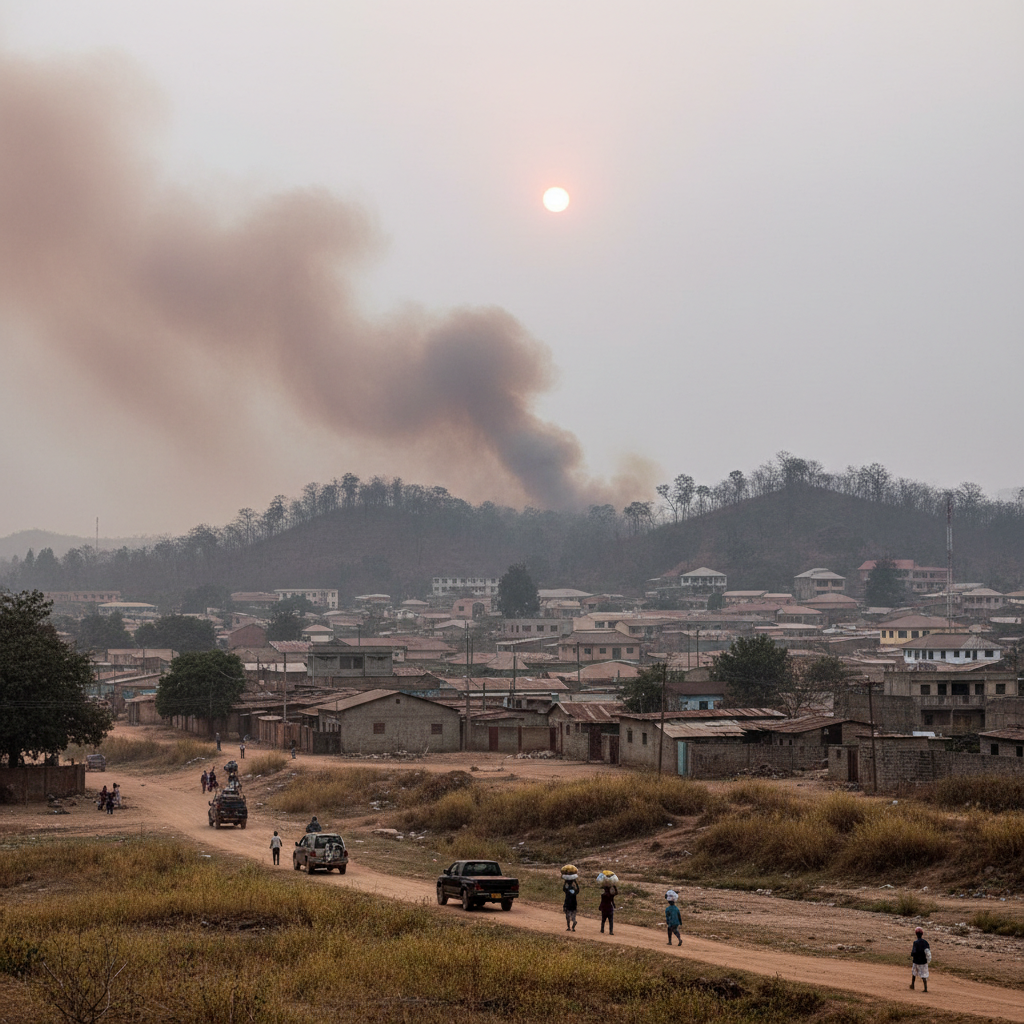
The district of Summerland, British Columbia, declared a state of emergency early Saturday, issuing evacuation orders as a fast-moving wildfire swept through western Canada. This declaration directly impacts thousands of residents forced to leave their homes due to the immediate threat.
The Bald Range wildfire, located about 15 kilometers west of Summerland, was burning out of control and had expanded to approximately 5,000 hectares by Saturday morning. This rapid growth triggered earlier evacuation orders in other regional districts throughout the week, highlighting the escalating danger.
This incident fits into a broader pattern of significant wildfire activity across Canada this year, fueled by hot and dry weather conditions. The Canadian Interagency Forest Fire Centre reports that fires have already burned through 3.9 million hectares nationwide in 2026. This extensive damage underscores the increasing vulnerability of dense forest areas to climate-related events.
Premier David Eby stated earlier this week that British Columbia possesses sufficient resources to combat these fires. He confirmed the province is prepared with additional national and international firefighters and aircraft, demonstrating a coordinated response to the crisis.
The immediate implications include widespread displacement and significant disruptions to daily life for affected communities. Summerland, with a population of about 12,000 according to a 2021 census, experienced power loss and a boil water notice due to the wildfire's impact on its water treatment plant. Decision-makers will closely monitor the fire's containment efforts and the provision of essential services to evacuated residents.
British Columbia currently has about 1,500 firefighting personnel deployed across the province to manage the ongoing blazes. The province has issued 39 evacuation orders and 49 alerts, reflecting the dynamic and widespread nature of the threat. International assistance from Mexico, Australia, France, and New Zealand has been crucial in supporting Canada's firefighting efforts this year.
The economic impact of these wildfires extends beyond immediate property damage, affecting local businesses, tourism, and infrastructure. The long-term recovery for affected regions will require substantial investment and coordinated efforts from various levels of government. Continued hot and dry conditions in British Columbia increase the risk of new fires and lightning-sparked holdover fires, posing an ongoing challenge for authorities.