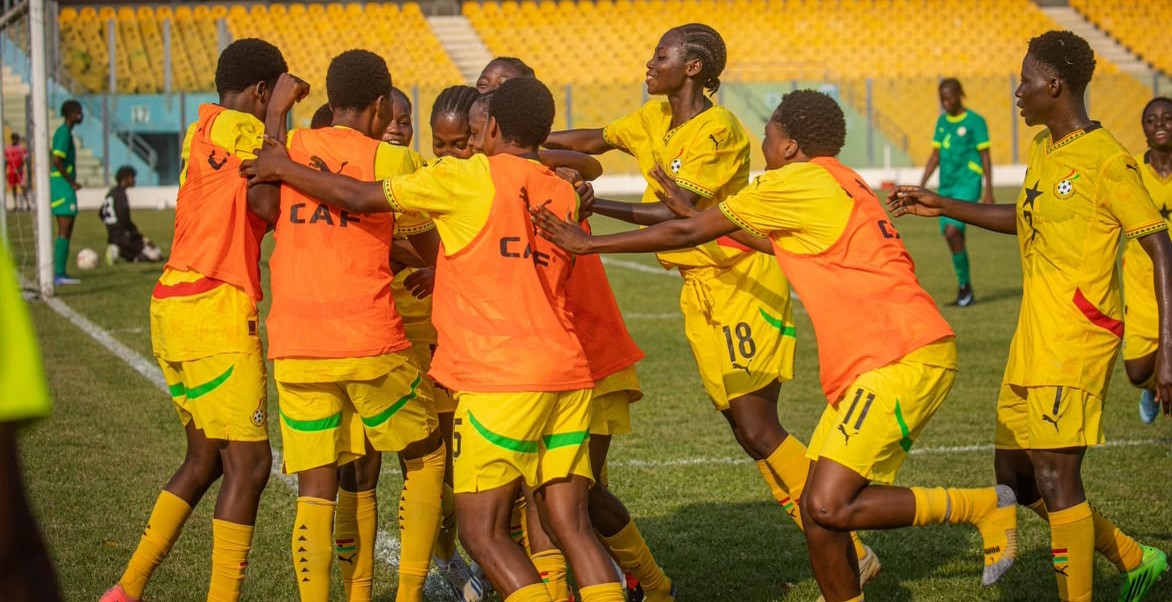
Ghana's Black Maidens secured qualification for the 2026 FIFA U-17 Women’s World Cup, defeating Senegal 7-6 on penalties. The dramatic qualifier took place on Saturday at the Accra Sports Stadium.
This qualification follows a tightly contested two-legged tie against Senegal, which ended 2-2 on aggregate. Both the first leg in Senegal and the return fixture in Accra finished 1-1, leading to the decisive penalty shootout. The victory extends Ghana's tradition of competing at the FIFA U-17 Women’s World Cup, showcasing consistent performance in youth football.
Ghana’s repeated participation in international sporting events, such as the FIFA U-17 Women's World Cup, has broader economic implications. Investments in sports infrastructure and youth development programs, while not directly financial, contribute to a positive national image and can boost sports tourism. These events also provide opportunities for local businesses through increased visitor spending, and sponsorship deals for teams and national associations.
The Ghana News Agency (GNA) reported the Black Maidens are now drawn in Group C alongside formidable opponents: Brazil, Canada, and Norway. The team will aim for a strong showing against these global powerhouses in the tournament held in Morocco later this year. This continued engagement on the international stage helps to raise Ghana's profile and attract attention to its sporting talent.
The team is expected to begin intensive preparations for the competition in the coming weeks. Their performance will be closely watched by fans and stakeholders alike. A successful campaign could further enhance Ghana’s reputation in women's football and potentially attract more investment into the sport. It also highlights the government's commitment to sports development and its potential indirect economic benefits.
Ghana's consistent presence in such tournaments underscores the long-term benefits of investing in youth sports programs. These programs not only foster talent but also provide pathways for young athletes to achieve international recognition. This can inspire future generations and contribute to a healthier, more active population. The economic ripple effects, though indirect, are significant.
Furthermore, Ghana's ability to consistently qualify for major international tournaments like this can influence foreign perceptions and improve its soft power. Such achievements can indirectly support tourism and trade by portraying a dynamic and capable nation. The focus on women's football also aligns with global trends promoting gender equality in sports, potentially attracting more global partnerships and support.