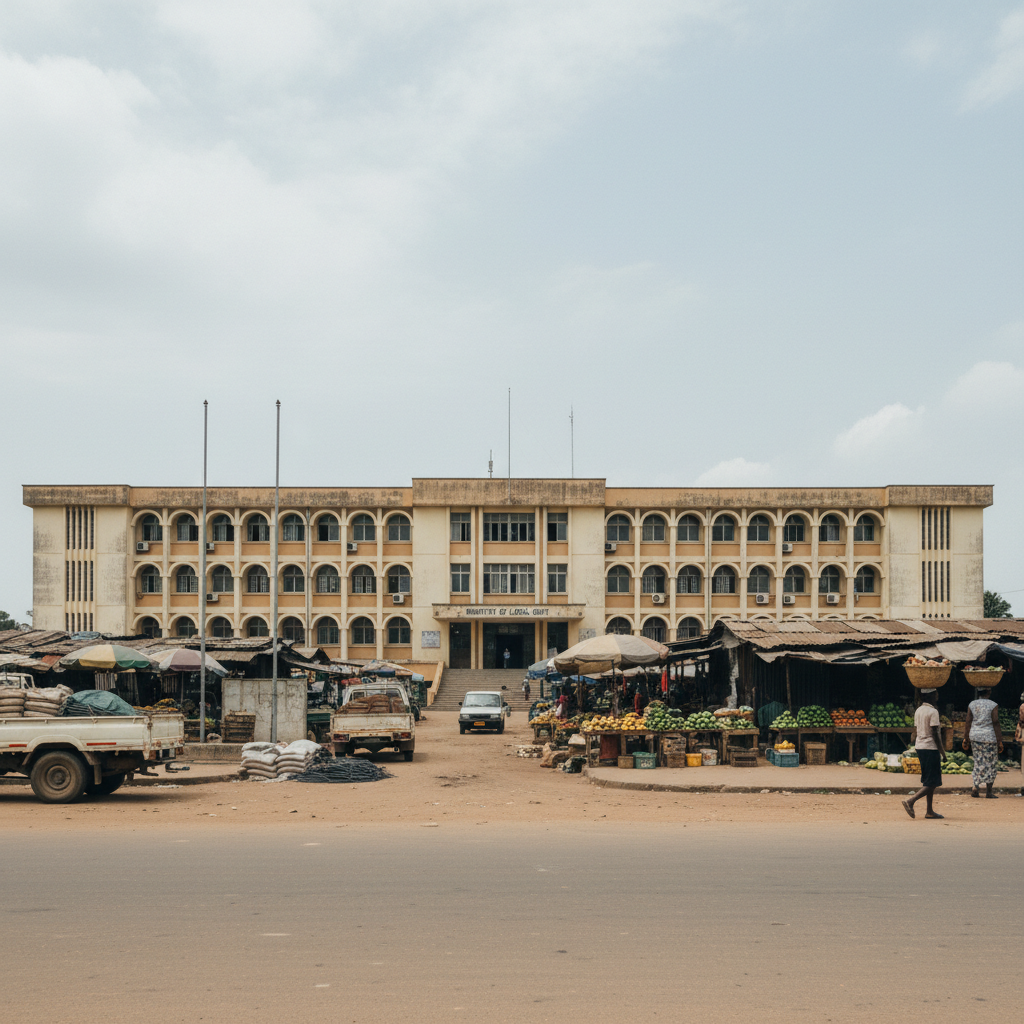
A report proposing the upgrade of 20 districts to municipal status and 12 municipalities to metropolitan status has been sent to President John Mahama for approval. Minister for Local Government, Chieftaincy and Religious Affairs, Ahmed Ibrahim, confirmed this submission.
This initiative follows a comprehensive review by a committee examining the status of local government areas nationwide. The upgrades aim to streamline administration and enhance development planning at the local level. These changes could bring new funding and expanded responsibilities to the affected areas, including Techiman.
The reclassification reflects Ghana's ongoing commitment to decentralisation, a policy designed to bring governance closer to the people. More self-sufficient local government units can better manage local resources and address specific community needs. This aligns with broader national efforts to improve public service delivery and stimulate economic growth in diverse regions.
Mr. Ibrahim stated in Parliament on Thursday, June 25, that the committee's recommendations are based on extensive data review and stakeholder consultations. These consultations included discussions with traditional leaders and relevant government agencies. The thoroughness of this process ensures that the proposed changes are well-supported and strategically sound.
Once President Mahama grants approval, the Ministry will then begin the legal process. This includes presenting a Legislative Instrument to Parliament for passage. This final legislative step will formalise the new status of these districts and municipalities. Local economies in these areas could see significant changes and new investment opportunities.
Upgrading districts to municipalities, and municipalities to metropolitan areas, often means increased administrative capacity. It also typically leads to greater access to central government funding and resources. This can translate into better infrastructure, improved public services, and more local job creation in the long term. This systematic approach to local governance is crucial for balanced national development.
Enhanced local government units also play a vital role in revenue generation and resource allocation within their jurisdictions. The new metropolitan areas will have greater autonomy and responsibility for urban planning and service provision. This structural adjustment could improve efficiency and accountability in managing urban growth and development challenges across Ghana.
The move signifies a critical step in strengthening Ghana's local governance framework. It promises to have a lasting impact on how services are delivered and how development projects are initiated. This could become a model for future decentralisation efforts in the country. It also underscores the executive's role in facilitating progress at the grassroots level.