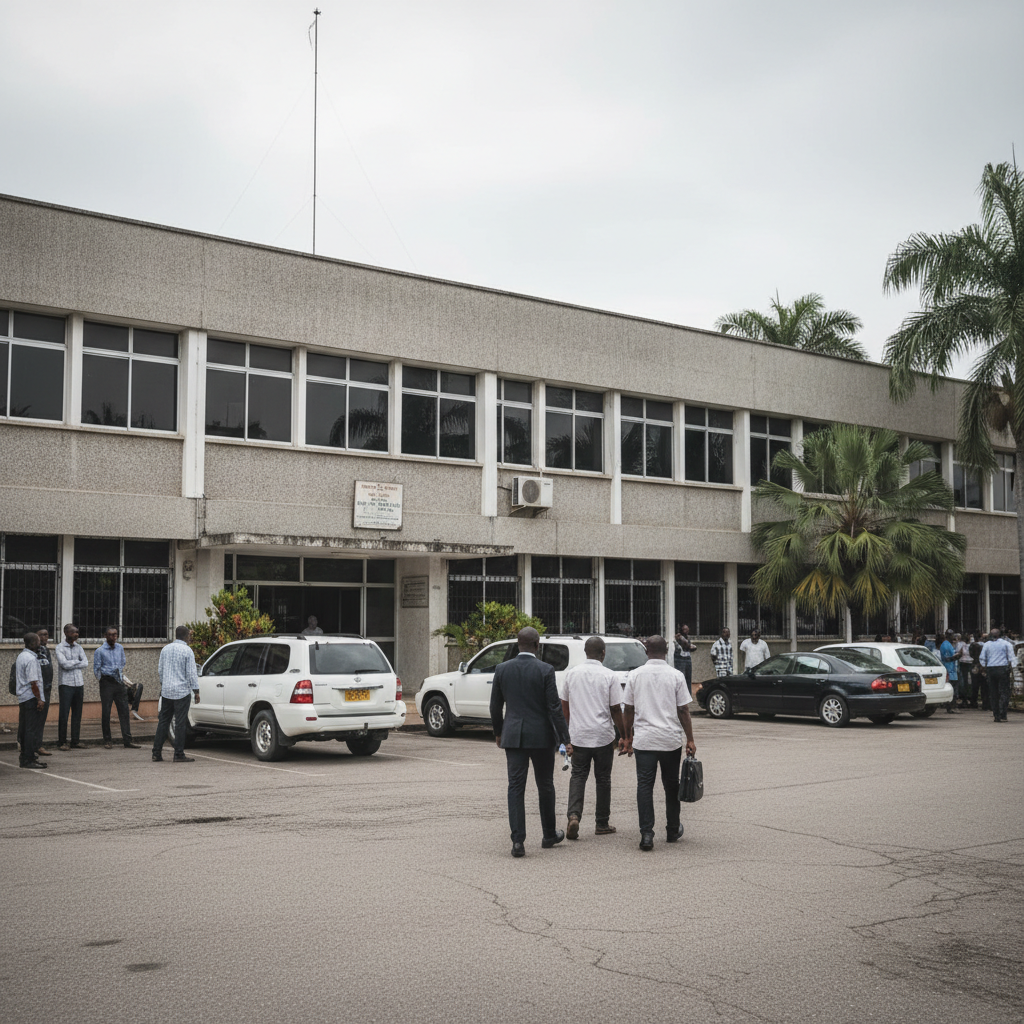
The Economic and Organised Crime Office (EOCO) has apprehended the contractor for the Weija Children’s Hospital. This action occurred shortly after the contractor met with the Minister of Health, Kwabena Mintah Akandoh, to discuss the hospital's operational readiness.
The apprehension stems from unresolved financial disputes and significant delays in transferring the facility to the Ministry of Health. The contractor reportedly refused to hand over the 120-bed hospital without receiving full payment for outstanding contractual balances. This position was maintained despite government appeals to open the facility due to urgent healthcare needs.
This incident highlights a persistent challenge in Ghana's infrastructure development, where project completion is often hampered by payment arrears. The Weija Children's Hospital, a crucial healthcare asset, has remained structurally complete but unoperational for over two years. Such delays burden public finances and deprive citizens of essential services. Data from the Ministry of Finance indicates that payment arrears to contractors across various sectors totaled GHS 5.3 billion as of the end of 2023, contributing to project stagnation.
Neither EOCO nor the Ministry of Health has officially commented on the ongoing situation. JoyNews Online, citing sources, reported the contractor's insistence on payment before handover. This dispute underscores the complex financial arrangements plaguing public sector projects.
The immediate implication is an intensified focus on contractor payment schedules and project delivery in Ghana. This development will likely exert pressure on government agencies to streamline payment processes and improve oversight of public contracts. Decision-makers and markets will closely observe how this case impacts future government procurement and infrastructure financing. Stakeholders anticipate further details regarding the contractor’s legal status and the hospital’s eventual commissioning.
The prolonged closure of the Weija Children's Hospital has attracted public criticism. Health advocacy groups have consistently called for its activation, citing the critical need for specialized paediatric healthcare. This incident may prompt a broader review of government contract management policies. It also highlights the tension between timely project delivery and the financial obligations of the state. The Ministry of Health faces continued pressure to make the facility operational. The full financial impact of this dispute, including potential legal costs and further delays, remains to be calculated.