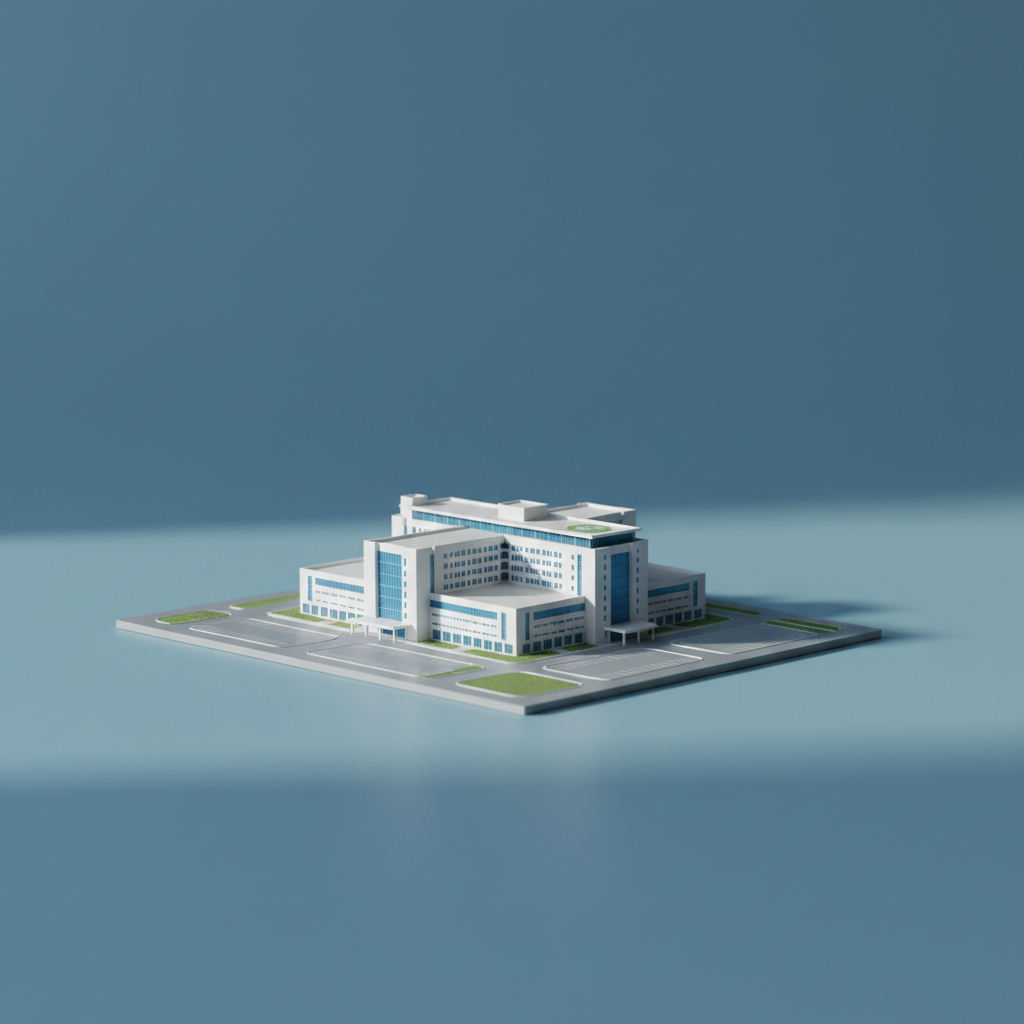
The Trede Agenda 111 Hospital in the Ashanti Region is fully completed and equipped but remains non-operational, according to Dr. Kingsley Agyemang. The Abuakwa South MP urged the current government to immediately staff the facility. This 100-bed hospital was commissioned in December 2024.
The hospital's non-operation comes as the Komfo Anokye Teaching Hospital (KATH) faces severe patient congestion. KATH's Accident and Emergency Centre recently suspended new admissions due to overcrowding. Dr. Agyemang believes the Trede facility could significantly ease this pressure on KATH.
This situation underscores a recurring challenge in Ghana's public infrastructure projects. Projects are often completed but suffer delays in becoming functional due to staffing or funding issues. The Agenda 111 initiative aims to build 111 district hospitals to improve healthcare access across Ghana. The current delay at Trede raises questions about the overall implementation strategy for these vital facilities.
“It’s so disheartening. This is the completed Trede Agenda 111 hospital facility with staff quarters. Two-bedroom apartments and suites are ready,” Dr. Agyemang stated during an inspection tour. He further explained, “All that the hospital needs is human beings to come and work there.” His comments highlight the readiness of the physical infrastructure, including advanced equipment and utilities.
The immediate implication is continued strain on existing healthcare facilities, particularly KATH. Government decision-makers face increasing pressure to address the staffing deficit at Trede. Financial markets and public health advocates will be watching for pronouncements on resource allocation for healthcare personnel. Swift action could demonstrate a commitment to utilizing public assets efficiently.
Operating the Trede hospital could also stimulate local economic activity. New jobs for medical and support staff would become available. Improved healthcare access in the Trede area would enhance productivity and well-being for residents. The idle facility represents a significant opportunity cost for the region.
The estimated investment in such a facility is substantial, although specific figures for Trede were not provided. Large capital outlays for infrastructure projects like Agenda 111 require efficient operationalisation to yield returns. Delays can lead to depreciation of equipment and increased maintenance costs over time. This reduces the economic benefit of the initial investment.
A fully functional Trede hospital could also reduce patient transport costs for nearby communities. This would free up household budgets for other essentials. The wider impact on healthcare outcomes and public trust in government's delivery capabilities is also significant. The government's response to this appeal will be a key indicator of its priorities.
The Minority Caucus, which initiated the inspection tour, plans to highlight other completed but non-operational health projects. This ongoing scrutiny will likely maintain pressure on the government. The focus remains on addressing the human resource gap to activate these critical facilities.