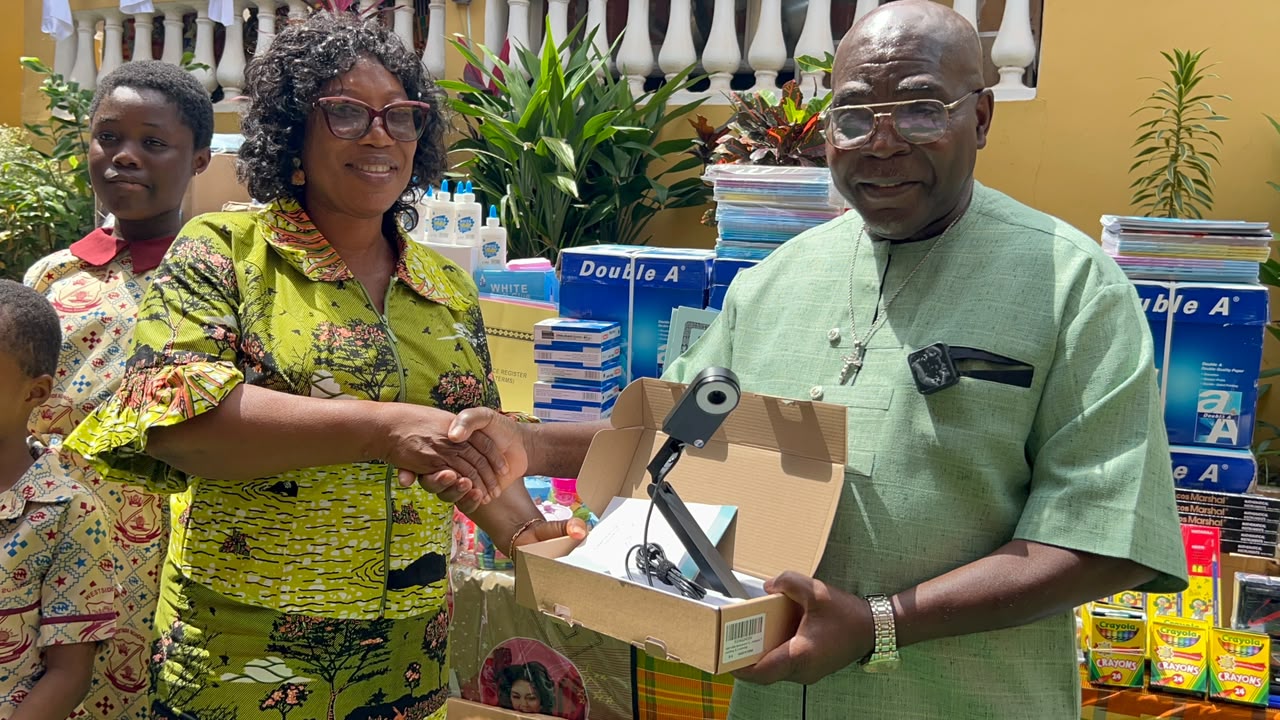
A retired Ghanaian mathematics teacher, Samuel Quansah Quarcoo, has donated teaching and learning materials valued at GHS 513,000 (US$38,000) to four basic schools in Accra. This substantial contribution aims to enhance education delivery in Odorkor Saleria Basic School, Emmaus Methodist Model Basic School, Korle Gonno R/C Boys Basic School, and Westside School.
The donation includes television sets, exercise books, school bags, and mathematical sets, directly addressing the persistent shortage of resources in public basic schools. These schools often struggle with inadequate teaching and learning materials, despite repeated calls for government intervention and support. Mr. Quarcoo's initiative highlights the critical role of private philanthropy in bridging these educational gaps.
This intervention comes as Ghana continues to grapple with significant challenges in its public education sector, including dilapidated infrastructure and insufficient funding for essential learning tools. The government has made efforts to improve education, but resource constraints remain a major hurdle. Private sector and diaspora contributions are increasingly vital for sustaining educational progress and ensuring equitable access to quality learning environments across the nation.
Speaking at Odorkor Saleria Basic School, Mr. Quarcoo stated his initiative began over three years ago after witnessing the challenges firsthand. He stressed the urgent need for Ghanaian schools to embrace technology, advocating for a future where every child has access to a computer. He noted that this would close the technological gap between Ghanaian schools and those in more developed nations like the United States.
The implications of such donations extend beyond immediate relief, serving as a catalyst for broader discussions on educational funding and policy. Decision-makers must consider how to leverage such private efforts to create sustainable solutions for resource allocation in schools. The initiative also encourages other members of the Ghanaian diaspora to contribute to their home communities, fostering a collective approach to national development.
School authorities used the opportunity to appeal for additional support. Esi Kudjo, Headmistress of Emmaus Methodist Model Basic School, highlighted the urgent need for furniture and the completion of their school building. Her appeal underscores the severe infrastructure deficits that hinder effective teaching and learning in many Ghanaian schools.
At Korle Gonno R/C Boys Basic School, Mr. Quarcoo expressed concern over deteriorating infrastructure, including damaged ceilings and broken windows. James Amarkai Amarfio, Assistant Headteacher, appealed for assistance to construct a perimeter wall. This wall would prevent unauthorized access and vandalism, which disrupt the learning environment and compromise student safety.
Mr. Quarcoo announced that the initiative's next phase will target rural communities, acknowledging that schools in remote areas often face even greater challenges. He emphasized that individuals can support government efforts, encouraging other diaspora members to visit their hometown schools and identify areas for assistance. This phased approach aims to extend the impact of his philanthropy to a wider range of underserved schools across Ghana.
The donation of GHS 513,000 in materials is a significant boost for the beneficiary schools. It provides tangible resources that directly impact student learning and teacher effectiveness. This act of philanthropy also draws attention to the ongoing need for both public and private investment in Ghana's educational future, particularly in technology and infrastructure.