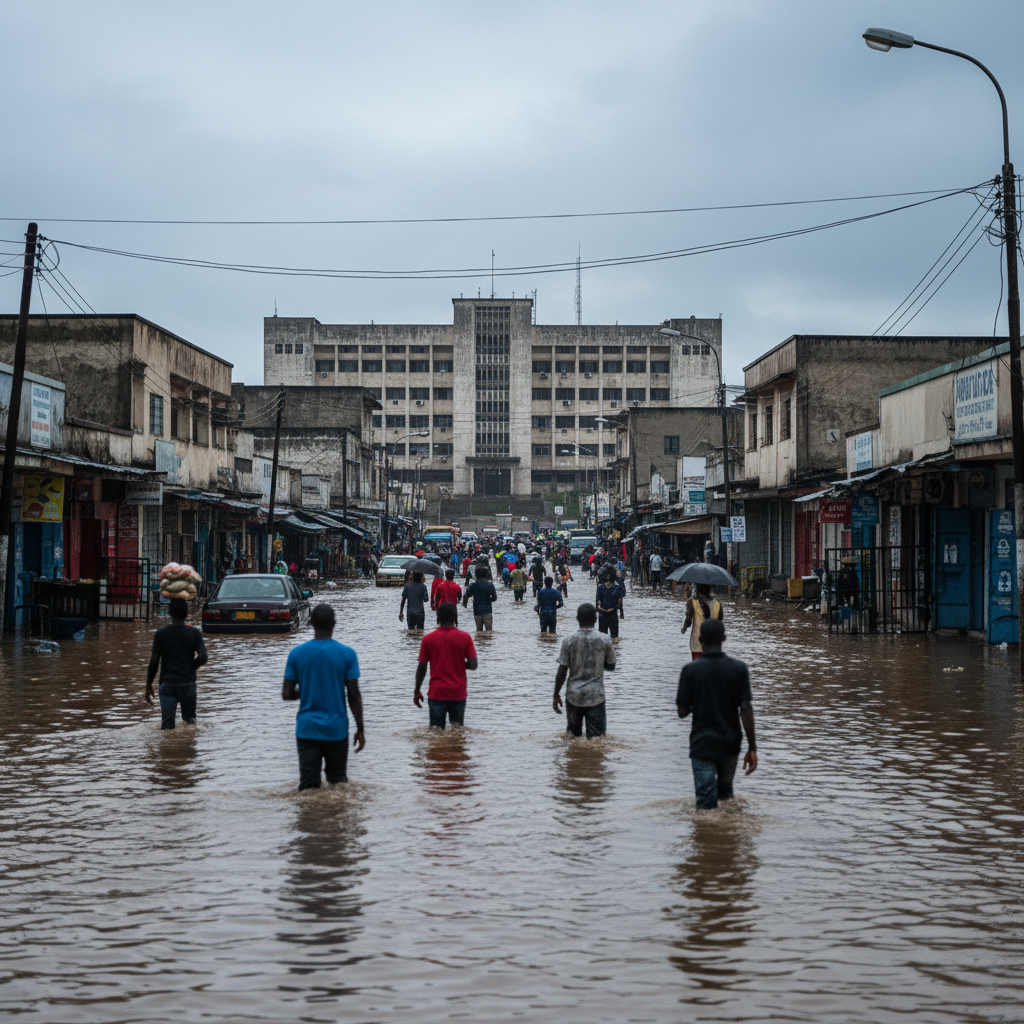
Former Adentan Member of Parliament, Kojo Adu Asare, states that Accra's persistent flooding stems from poor leadership, inadequate planning, and a lack of commitment to enforcing regulations. He argues Ghana possesses the knowledge to solve the flood problem but lacks the political will to implement effective measures. Flooding continues to cause significant economic disruption and property damage across the capital annually.
Mr. Adu Asare highlighted that Metropolitan, Municipal, and District Assemblies primarily focus on issuing stop-work notices to developers. They have not implemented comprehensive planning measures for communities, which are essential for long-term flood mitigation. He stressed that both collective citizen actions and leadership failures at various levels contribute significantly to the country's flood challenges. These failures include a lack of enforcement for existing planning and environmental regulations.
This recurring flooding issue significantly impacts Ghana’s urban infrastructure and economic productivity. Floods disrupt businesses, damage property, and strain public services. The lack of proactive, implemented solutions contributes to greater national expenditure on post-disaster relief rather than preventative measures. Reliable data from the National Disaster Management Organisation (NADMO) consistently shows significant financial losses due to urban flooding every year across Ghana.
“All the assemblies know is to issue stop-work notices on buildings, but they have no proper plan for the communities,” stated Kojo Adu Asare on Asempa FM’s Ekosii Sen show. He continued, “We know what to do, but we won’t do it, so I have no solution to offer anymore.” This underscores a perceived institutional inertia surrounding a critical national challenge.
Moving forward, the focus must shift from reactive disaster response to comprehensive, long-term urban planning and strict enforcement of building codes. Decision-makers need to prioritize sustained investment in drainage infrastructure and urban green spaces. Failure to act will ensure continued economic losses and disruption for markets and citizens. The next rainy season will once again test the nation's resolve.
Mr. Adu Asare further explained that even financial support after flood disasters is insufficient without a robust development plan. He recalled proposing measures years ago, such as requiring homeowners to leave unpaved areas for rainwater absorption. Such solutions aim to reduce the strain on existing, often congested, drainage systems in urban areas.
The issue extends to public perception and behaviour, where individuals who advocate for proper procedures sometimes face criticism. This creates an environment where indiscipline and impunity can persist unchecked. The government and local authorities must demonstrate strong political will to overcome these systemic challenges. This includes educating the public on their role in mitigating flood risks.
Discussions about flooding often subside once the immediate rains cease, only to restart with the next significant downpour. This cyclical pattern prevents the sustained attention and resource allocation needed for permanent solutions. Breaking this cycle requires a commitment beyond seasonal concerns. It needs consistent planning and enforcement throughout the year.
Investing in flood-resistant infrastructure and promoting sustainable urban development practices are crucial for Ghana's economic resilience. This preventative approach will reduce future repair costs and protect livelihoods. The long-term economic benefits significantly outweigh the initial investment costs for effective flood control.