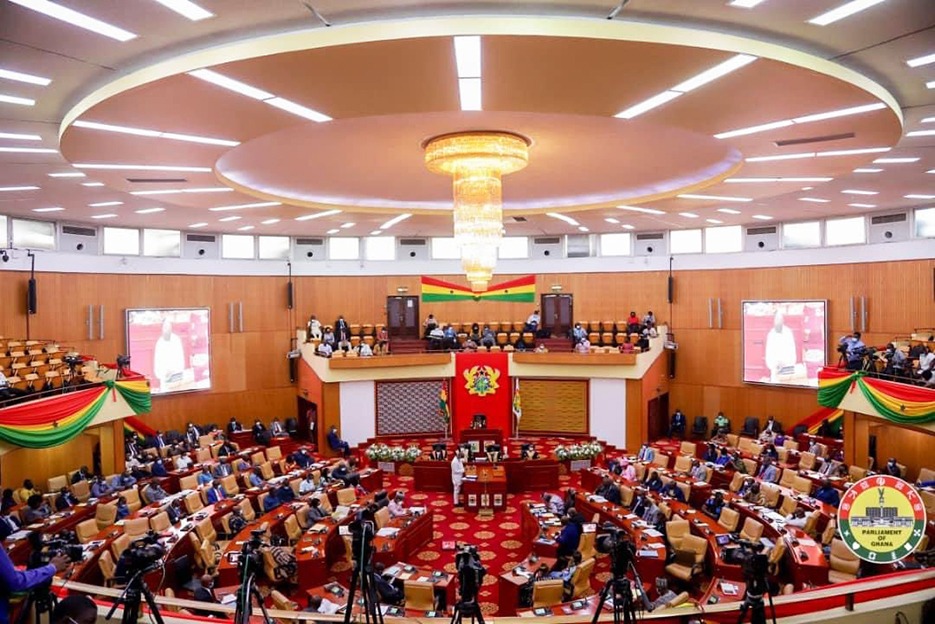
Ghana's Extractive Sector Multi-Stakeholder Group (MSG) has urged Parliament to summon state agencies over persistent delays in disbursing mineral royalties to mining host communities. These delays are stalling crucial development projects, disrupting local planning, and undermining the objectives of the Minerals Development Fund Act, 2016 (Act 912).
Dr. Emmanuel Steve Asare Manteaw, a member of the MSG, made this call during a media engagement in Accra. The event disseminated findings from the 2023 Ghana Extractive Industries Transparency Initiative (GHEITI) Report. Dr. Manteaw attributed the ongoing delays to weak oversight. He stated Parliament must ensure compliance with the Minerals Development Fund Act by holding state institutions accountable for the timely release of approved funds.
This issue fits into Ghana's broader economic story of resource management and local development. The Minerals Development Fund Act aims to ensure mining communities directly benefit from mineral resources. However, the current delays prevent these communities from realizing tangible improvements. This situation highlights a recurring challenge in Ghana: translating resource wealth into local economic upliftment and sustainable development. The GHEITI report provides crucial data on these revenue flows.
Dr. Manteaw emphasized the critical role of Parliament. He stated, "A lot of development projects in some of these beneficiary communities have come to a standstill, and the uncertainty over the timing of disbursements makes it difficult for communities to plan development activities with any confidence." He also noted Parliament's responsibility, having passed the law mandating these disbursements.
The MSG further advocates for public disclosure of information on delayed payments. This includes identifying responsible institutions and detailing outstanding amounts. Such transparency would strengthen accountability in the extractive sector. Mr. Patrick Nomo, Co-Chair of the GHEITI Multi-Stakeholder Group and Chief Director at the Ministry of Finance, acknowledged improvements in managing extractive revenues due to reforms. He noted GHEITI advocacy has contributed to changes in the mineral royalty regime and the institutionalization of subnational royalty transfers.
Despite these reforms, Mr. Nomo pointed out that revenue leakages and weak inter-institutional coordination continue to limit the sector's contribution. These issues constrain both national and local development. He called for stronger institutional collaboration and improved data management. This would enhance transparency and ensure resource revenues translate into tangible benefits for mining communities. Mr. Nomo reaffirmed the government's commitment to using GHEITI evidence to inform policy reforms and strengthen accountability.
Under the Minerals Development Fund Act, mineral royalties are distributed through a statutory formula. District assemblies receive 55% of the allocation to local government. Mining-affected communities and traditional councils each receive 25% of this local government allocation. The continued delays in these disbursements directly impact the financial stability and planning capabilities of these local entities. This situation also raises questions about the effectiveness of existing legal frameworks in practice.
Moving forward, the focus will be on Parliament's response to the MSG's call. Decision-makers will need to address the identified weaknesses in oversight and coordination. The timely disbursement of these funds is crucial for maintaining social license to operate for mining companies and fostering sustainable development in affected regions. The market will watch for any policy changes or enforcement actions that could improve the efficiency and transparency of mineral royalty distribution.