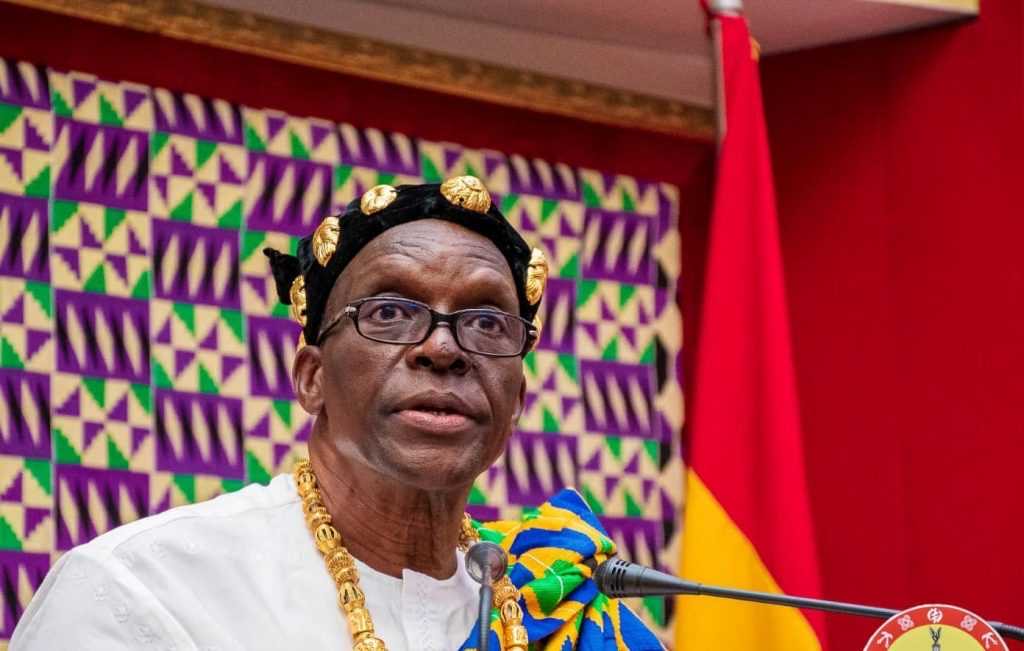
Ghana's Parliament will investigate a reported GHS 22 billion loss from the Domestic Gold Purchase Programme (DGPP). Speaker Alban Bagbin confirmed the inquiry, responding to a motion filed by the Minority in Parliament. This probe aims to determine if the amount constitutes an actual financial loss or a legitimate cost of the programme.
The reported US$1.7 billion, equivalent to GHS 22 billion, loss has sparked significant public debate. The Minority's motion specifically requests Parliament to summon Sammy Gyamfi, the Chief Executive Officer of the Ghana Gold Board (GoldBod). They seek a detailed explanation of all transactions related to the DGPP. This parliamentary action underscores growing concerns about the management of state resources and transparency in public financial operations.
This investigation fits into a broader narrative of increased parliamentary oversight on public spending in Ghana. Recent years have seen heightened scrutiny of government contracts and financial programmes. The GHS 22 billion figure represents a substantial sum, equivalent to roughly 1.5% of Ghana's 2023 Gross Domestic Product (GDP). Such a large amount inevitably draws attention from citizens and financial institutions alike, impacting investor confidence and public trust in economic governance. Previous inquiries into state-owned enterprises have often revealed inefficiencies or financial mismanagement, making this probe particularly critical.
Speaker Bagbin stated that his office received the Minority's motion on August 21, 2026. He expressed his intention to admit it for consideration by the House. “This House will have the opportunity to go through it,” Mr Bagbin affirmed. He emphasized the importance of resolving the disagreement over the nature of the reported amount. This parliamentary process will allow lawmakers to examine the transactions thoroughly. It will also provide clarity on whether the GHS 22 billion is a loss or a policy cost. The Speaker added that Ghanaians would have the chance to listen to arguments and examine facts. This transparency is crucial for public accountability.
The parliamentary inquiry will likely involve detailed financial audits and testimonies from key officials. The outcome could lead to significant policy changes regarding the DGPP. It might also result in accountability measures for those found responsible for any financial irregularities. Investors and international financial bodies will closely watch the proceedings. The integrity of Ghana's financial management systems is at stake. A clear resolution is essential to maintain confidence in the country's economic stability. This investigation could set a precedent for future oversight of large-scale government programmes. It highlights Parliament's role in safeguarding public funds and ensuring fiscal discipline. The findings will inform future decisions on resource allocation and economic policy. The probe's duration and depth will be key indicators of its seriousness. It also provides an opportunity for GoldBod to present its case. The public expects a comprehensive and unbiased report. This will help clarify the true financial health of the DGPP. The process will also test the strength of Ghana's democratic institutions. It demonstrates their capacity to hold public entities accountable. The final report will be critical for Ghana's economic outlook. It will influence perceptions of transparency and good governance. This is vital for attracting foreign investment and ensuring sustainable growth.