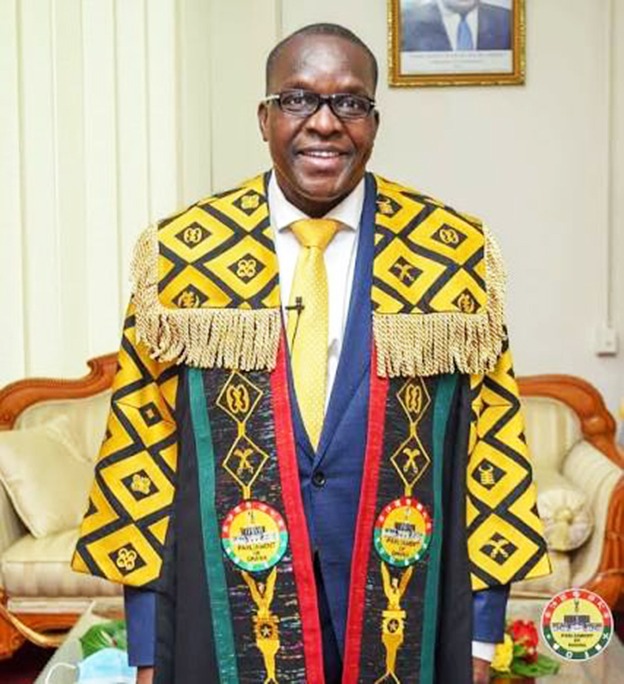
Ghana's Parliament will investigate a reported US$1.7 billion loss, equivalent to approximately GHS 22 billion, under the Domestic Gold Purchase Programme (DGPP). Speaker Alban Sumana Kingsford Bagbin confirmed the House will admit a motion to scrutinise these transactions. This decision follows a motion filed by the New Patriotic Party (NPP) Minority Caucus.
The Minority Caucus motion seeks a parliamentary inquiry into the reported loss. It also calls for the Chief Executive of the Ghana Gold Board (GoldBod), Mr. Sammy Gyamfi, to explain the transactions. Speaker Bagbin stated that Parliament's scrutiny aims to determine if the US$1.7 billion represents an actual financial loss or a policy cost. This clarification is crucial to settle the ongoing public controversy surrounding the programme's financial outcomes.
This parliamentary action comes at a critical time for Ghana's economy, which has faced significant challenges. The nation recently secured a US$3 billion Extended Credit Facility from the International Monetary Fund (IMF) to stabilise its finances. Public finance management and transparency are paramount as the government works to restore investor confidence. Previous audits and public discussions have highlighted the need for greater accountability in state-backed financial schemes.
Speaker Bagbin received the motion on Friday, August 21, 2026, and promptly announced its admission for consideration. He emphasised that the parliamentary process would allow lawmakers to thoroughly examine the matter. This will provide much-needed clarity on the reported figure and the overall management of the DGPP. The Speaker expressed confidence that Ghanaians, as intelligent people, would follow the proceedings and form their own conclusions.
The implications of this parliamentary inquiry are significant for Ghana's financial landscape and public trust. A clear determination of whether the US$1.7 billion is a loss or a policy cost will impact future government commodity programmes. It will also influence how state entities manage large-scale financial operations. Investors and international partners will closely watch the outcome, as it reflects Ghana's commitment to fiscal discipline and transparency. The findings could lead to policy adjustments or accountability measures within GoldBod and other state institutions.
The Domestic Gold Purchase Programme was initiated to boost Ghana's gold reserves and stabilise the local currency. However, the reported discrepancy has raised questions about its effectiveness and financial oversight. The Minority Caucus has directly accused GoldBod of incurring these losses, fueling public debate. Parliament's upcoming debate on the motion will provide a platform for a comprehensive review. This will ensure all aspects of the programme's financial performance are brought to light. The process underscores the legislative body's role in holding state institutions accountable for public funds and economic programmes.
This scrutiny is vital for maintaining fiscal integrity and ensuring responsible governance. The outcome will shape public perception of government-led economic interventions. It will also set a precedent for transparency in managing national assets. The Ghanaian public expects a thorough and unbiased investigation. This will provide definitive answers regarding the reported US$1.7 billion figure. The parliamentary proceedings will therefore be a key event for Ghana's economic and political observers.