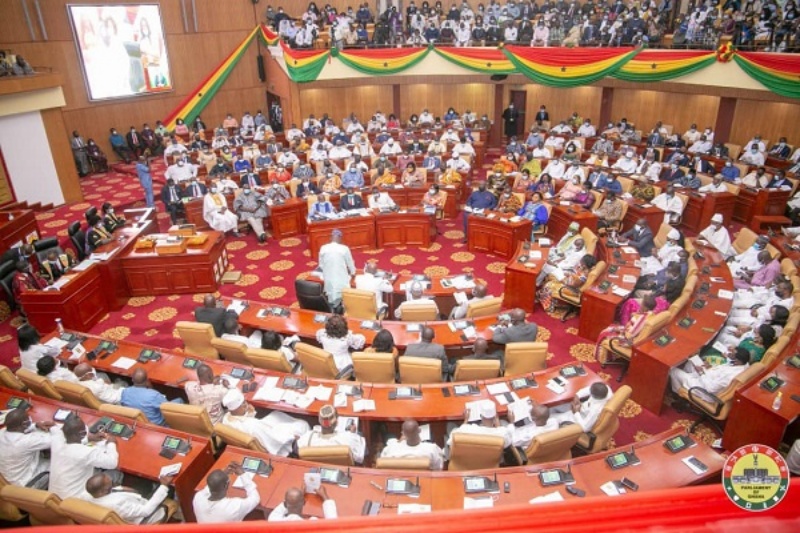
Ghana's Parliament has officially passed the Customs Bill, 2026. This new legislation introduces a modernized legal framework to overhaul the country's customs administration. It aims to tighten border security and maximize domestic revenue mobilization.
The bill consolidates various existing customs laws into a single, robust act. This move is expected to streamline clearance procedures for goods entering and leaving Ghana. It will also improve compliance among traders, making it easier for businesses to follow regulations. Customs officials will receive stronger tools to combat smuggling and illicit trade, which are significant challenges to the national economy.
This legislative action is crucial for Ghana's economic stability and growth. Smuggling and illicit trade activities deprive the government of substantial tax revenues, impacting public services and infrastructure development. The new bill seeks to close these loopholes, ensuring that all goods are properly declared and taxed. This aligns with the broader national agenda to enhance domestic revenue generation and reduce reliance on external financing.
The Minister for Roads and Highways, Kwame Governs Agbodza, introduced the bill on Thursday, July 23, 2026, on behalf of the Finance Minister, Dr. Cassiel Ato Forson. Following its first reading, Parliament referred the bill to the Finance Committee for detailed scrutiny. This process is a standard requirement under the 1992 Constitution and the Standing Orders of Parliament. After the committee presented its report, the House approved the legislation, demonstrating a unified commitment to fiscal reform.
The passage of this bill signals a strong commitment by the government to improve fiscal discipline and economic governance. It is a critical step towards creating a more predictable and transparent trade environment. Businesses operating in Ghana will need to adapt to the new regulations, which are designed to foster fair competition. The enhanced revenue collection could support key government initiatives and reduce the national debt burden.
The Customs Bill will now proceed to President John Dramani Mahama for presidential assent. Once signed into law, it will officially come into effect, marking a significant milestone in Ghana's economic reform efforts. Stakeholders, including importers, exporters, and customs agents, will closely monitor its implementation. The effectiveness of the new law will depend on robust enforcement and clear communication of its provisions to the trading community. This legislative change is expected to have a positive long-term impact on Ghana's financial health and trade relations.