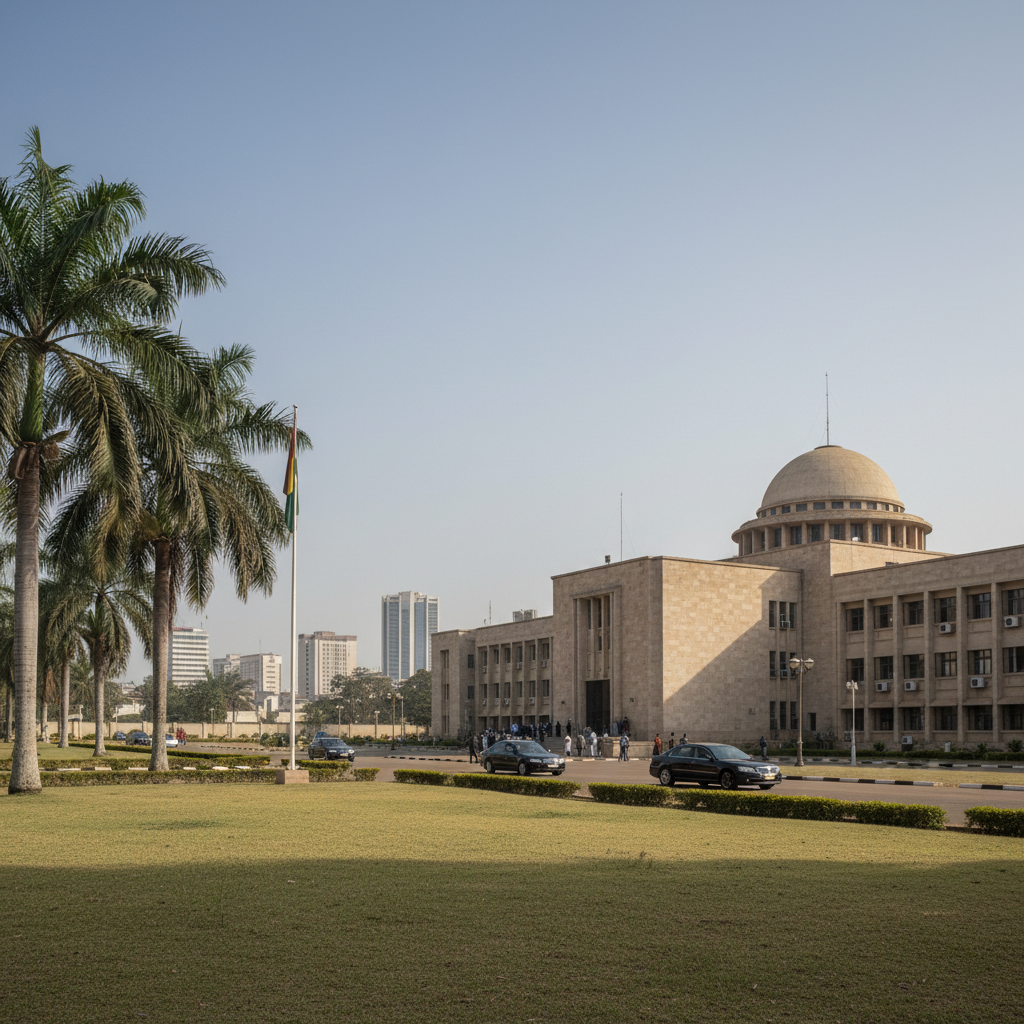
Ghana's Parliament has reconvened for an emergency five-day sitting in Accra. Speaker Alban Sumana Kingsford Bagbin initiated this recall to address urgent parliamentary business.
The special session began on Monday, August 24, 2026, and will conclude on Friday, August 28, 2026. Speaker Bagbin issued the recall notice on Wednesday, August 12, 2026, exercising his authority under Order 58(4) of the Standing Orders of Parliament. This provision allows the Speaker to summon the House for critical matters outside its regular schedule.
This emergency recall occurs amidst significant national economic and political discussions. The Minority caucus has already indicated its intention to press for accountability regarding the reported GHS 22 billion losses at GoldBod. This figure represents a substantial financial burden on the state. Additionally, the House is expected to consider several pending ministerial nominations, which are crucial for the government's operational capacity. The urgency of these matters underscores the current challenges in Ghana's public finance and governance sectors.
The Majority Leader, Alexander Afenyo-Markin, has acknowledged the GoldBod losses as a key agenda item for the Minority. He also affirmed Dr. Bawumia's confidence in his leadership of the Minority. This suggests a bipartisan recognition of the importance of addressing these financial issues. The parliamentary Standing Orders provide the framework for such emergency sittings, ensuring that critical national issues can be addressed promptly.
The implications of this sitting are far-reaching for Ghana's economy and political landscape. Decisions made during this five-day period could influence investor confidence and public trust in government accountability. The outcome of discussions on the GoldBod losses will be closely watched by financial markets and the public. Furthermore, the approval of ministerial nominees will impact the government's ability to implement its policies effectively. Citizens and civil society groups will be monitoring the proceedings for transparency and decisive action on these pressing national concerns. The legislative body's response to these challenges will set a precedent for future governance.
The GHS 22 billion GoldBod losses represent a significant fiscal challenge for the nation. This amount could impact public spending and debt management. The parliamentary review aims to understand the causes and consequences of these losses. Such financial discrepancies often lead to calls for stricter oversight and improved corporate governance in state-owned enterprises. The public expects clear answers and corrective measures to prevent future occurrences. This situation highlights the need for robust financial management practices within government entities.
Beyond the immediate financial concerns, the emergency sitting also provides an opportunity for Parliament to address other critical national issues. These may include legislative reviews or policy discussions that require immediate attention. The ability of Parliament to convene swiftly demonstrates its role in responding to dynamic national needs. The legislative process ensures that all proposed actions undergo thorough scrutiny. This democratic function is vital for maintaining checks and balances within the government structure. The coming days will reveal the full scope of business undertaken by the House.