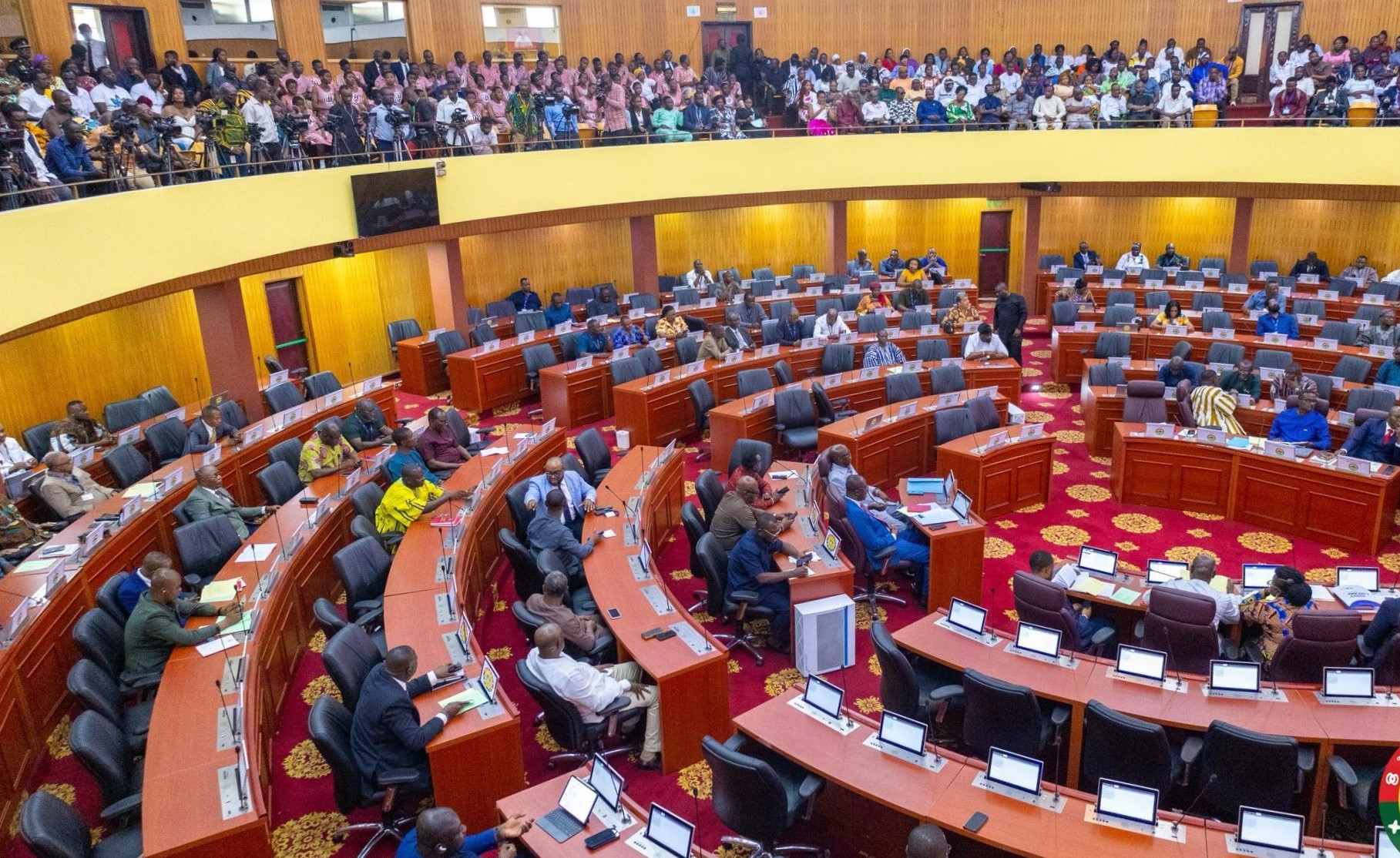
Ghana's Parliament on Tuesday approved a $300 million loan facility from the International Development Association (IDA) of the World Bank Group. This funding will support the Secondary Education Transformation and Access Programme, aiming to significantly improve secondary education infrastructure across the country.
The facility focuses on upgrading the quality of infrastructure and access in secondary schools. Specifically, it targets the improvement of Grade C schools to Grade B and Grade B schools to Grade A, directly impacting thousands of students nationwide. This move is a critical step in the government's ongoing efforts to enhance educational standards and opportunities.
This approval comes as Ghana continues to grapple with the need for robust educational infrastructure to support its growing student population. The nation's commitment to education reform, including initiatives like the Free Senior High School (FSHS) policy, places increasing demands on school facilities. This loan is expected to alleviate some of these pressures and contribute to a more equitable learning environment.
Mr. Mahama Ayariga, the Majority Leader, stated that this loan facility is the first under the second Mahama-led government. He stressed that the GHS 4.2 billion equivalent investment would be directed towards secondary school infrastructure to drive quality education. Mr. Haruna Iddrisu, the Minister of Education, assured Parliament that the loan would be implemented with strict adherence to value-for-money principles.
The Minority Caucus, however, voiced concerns, arguing that the facility was intended to fund the Free Senior High School policy. Mr. Alexander Afenyo-Markin, the Minority Leader, recalled that the previous New Patriotic Party administration faced criticism for introducing the FSHS policy. He also noted that this was not the government's first loan, citing a $360 million post-COVID-19 support loan secured in July 2025.
The approval of this loan underscores the government's commitment to strengthening secondary education infrastructure. It also highlights the ongoing political discourse surrounding education funding and national debt. Stakeholders will closely monitor the implementation of the Secondary Education Transformation and Access Programme to ensure its effectiveness and transparency.
The successful deployment of these funds could significantly reduce disparities in school quality across Ghana. It could also improve learning outcomes for secondary school students. The government's ability to demonstrate tangible improvements will be crucial for public confidence and future international partnerships. This investment is a long-term commitment to human capital development in Ghana.