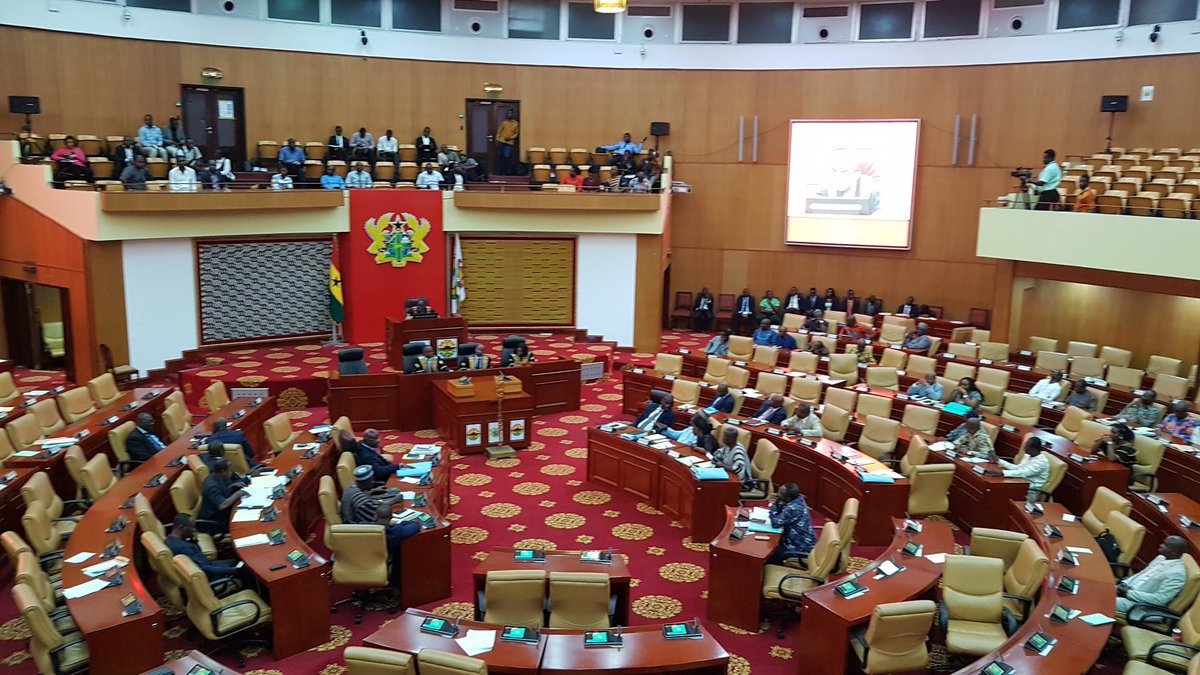
Ghana’s Parliament has approved a US$300 million World Bank financing facility. This funding will support the construction and rehabilitation of critical infrastructure in senior high schools. The government aims to ease pressure on secondary education facilities. Enrolment has risen significantly under the Free Senior High School (Free SHS) policy.
Finance Minister Dr. Cassiel Ato Forson presented the loan to lawmakers. It will finance classrooms, dormitories, laboratories, workshops, and other essential facilities. These improvements will occur across selected senior high schools nationwide. Dr. Forson stated the investment addresses the country’s growing infrastructure deficit in secondary education. It also supports human capital development and improves access to quality education. The goal is to create a more conducive learning environment for students.
This approval comes as many public senior high schools face severe facility pressure. They contend with inadequate classrooms, congested dormitories, and limited laboratory space. Teaching and learning resources are also overstretched. The Free SHS programme expanded access, but infrastructure expansion has not kept pace. This disparity has forced authorities to adopt temporary measures. The double-track system, for instance, managed student numbers against limited physical capacity. While these arrangements absorbed enrolment pressure, they highlighted the deep infrastructure gap in secondary education.
The US$300 million World Bank-backed facility represents a significant external intervention. It targets Ghana’s senior high school infrastructure. It also signals continued multilateral support for Ghana’s education agenda. This support persists despite the country’s broader fiscal consolidation efforts. The government argues that education infrastructure cannot be postponed due to tight public finances. Dr. Forson maintained that investing in secondary education facilities is essential. It builds a skilled workforce, improves productivity, and supports long-term economic growth.
This financing adds to Ghana’s external borrowing. However, it is positioned as development-oriented debt. It targets an area with long-term social and economic returns. Modern classrooms, functional laboratories, libraries, and workshops are central. They improve learning outcomes, especially in science, technical, and vocational education.
The loan approval raises important implementation questions. The facility’s impact depends on the financing size and transparent project execution. Efficient procurement, distribution, and delivery are crucial. Attention will now focus on selecting beneficiary schools and ensuring regional balance. Value-for-money safeguards, contractor performance, and completion timelines are also key. Historically, abandoned projects and delayed infrastructure works have undermined policy outcomes. The government must ensure these World Bank funds translate into visible improvements on school campuses.
The facility also offers an opportunity to align school infrastructure expansion with wider education reforms. Laboratories and workshops are critical for strengthening science, technology, engineering, mathematics, and technical skills training. While Free SHS expanded access, the next reform phase must focus on quality. This means reducing overcrowding and improving boarding facilities. It also includes expanding subject-specific infrastructure and supporting teachers. Students need learning environments that meet modern educational standards.
Parliament’s approval clears the way for implementation. The real test will be delivery. If well executed, the US$300 million facility could ease congestion. It could also improve learning conditions and strengthen Ghana’s human capital base. Poor management, however, risks making it an expensive intervention. Benefits could be diluted by delays, weak supervision, and procurement inefficiencies. For now, the approval marks a major step. It addresses the infrastructure consequences of expanded secondary education access. The challenge is ensuring the money builds better learning outcomes, not just structures.