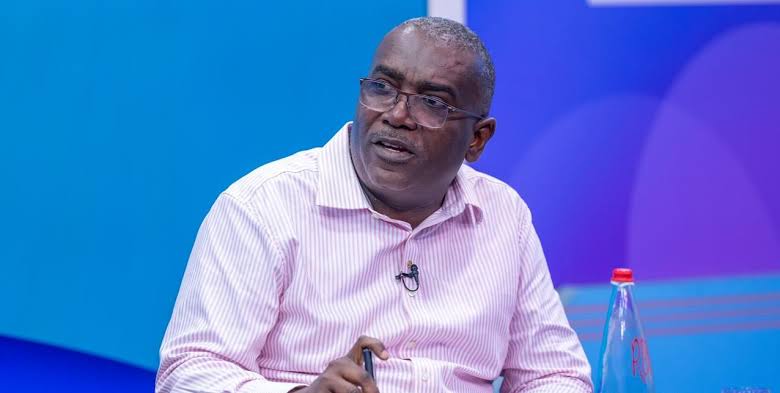
Only 10 of Ghana's 261 Metropolitan, Municipal, and District Assemblies (MMDAs) employ architects. This fact was revealed by Tony Asare, President of the Ghana Institute of Architects. This severe shortage highlights a critical planning gap within Ghana's local government system.
The lack of architects has weakened urban planning significantly. It has contributed to recurring problems like widespread flooding and uncontrolled, often illegal, development. Many communities struggle with poorly designed infrastructure because of this skill deficit.
This situation impacts Ghana's broader economic development. Unregulated development can deter investment and increase the cost of future infrastructure projects. Effective urban planning, supported by qualified professionals, is crucial for sustainable economic growth and public safety. Poor planning due to the absence of architects can also reduce property values in affected areas, harming local economies.
Tony Asare stated that a 2024 survey confirms these alarming figures. The survey covered almost all regional capitals in Ghana. He noted that the Ghana Institute of Architects has engaged the Local Government Service to address the issue. They are proposing strategies to place architects within assemblies, even through short-term arrangements. However, these discussions have not yet yielded strong positive results.
The current lack of architectural staff means that local assemblies struggle with basic development control. This impacts the effective enforcement of building regulations, which are comprehensive but often ignored. Assemblies lack trained personnel, financial resources, and equipment for proper monitoring. Some struggle with vehicles for site inspections and logistics.
Ghana's unique land ownership structure also complicates planning enforcement. Most land is controlled by traditional authorities, like chiefs and families, not the state. When these authorities sell land without following proper planning procedures, assemblies find it hard to intervene. Construction often begins before any official review, making it difficult to enforce regulations later.
This has direct financial consequences. The cost of rectifying poorly planned developments, such as managing flood damage, places a significant burden on public finances. Investing in architects now could save the government substantial sums in the long term. It would also improve living conditions and increase public safety.
Increasing technical staffing in local assemblies is critical. This would strengthen planning enforcement and improve compliance with regulations. It would also reduce disasters linked to unregulated urban growth. Effective planning could unlock substantial economic value for Ghana's cities and towns. It would also ensure resilient and sustainable communities.