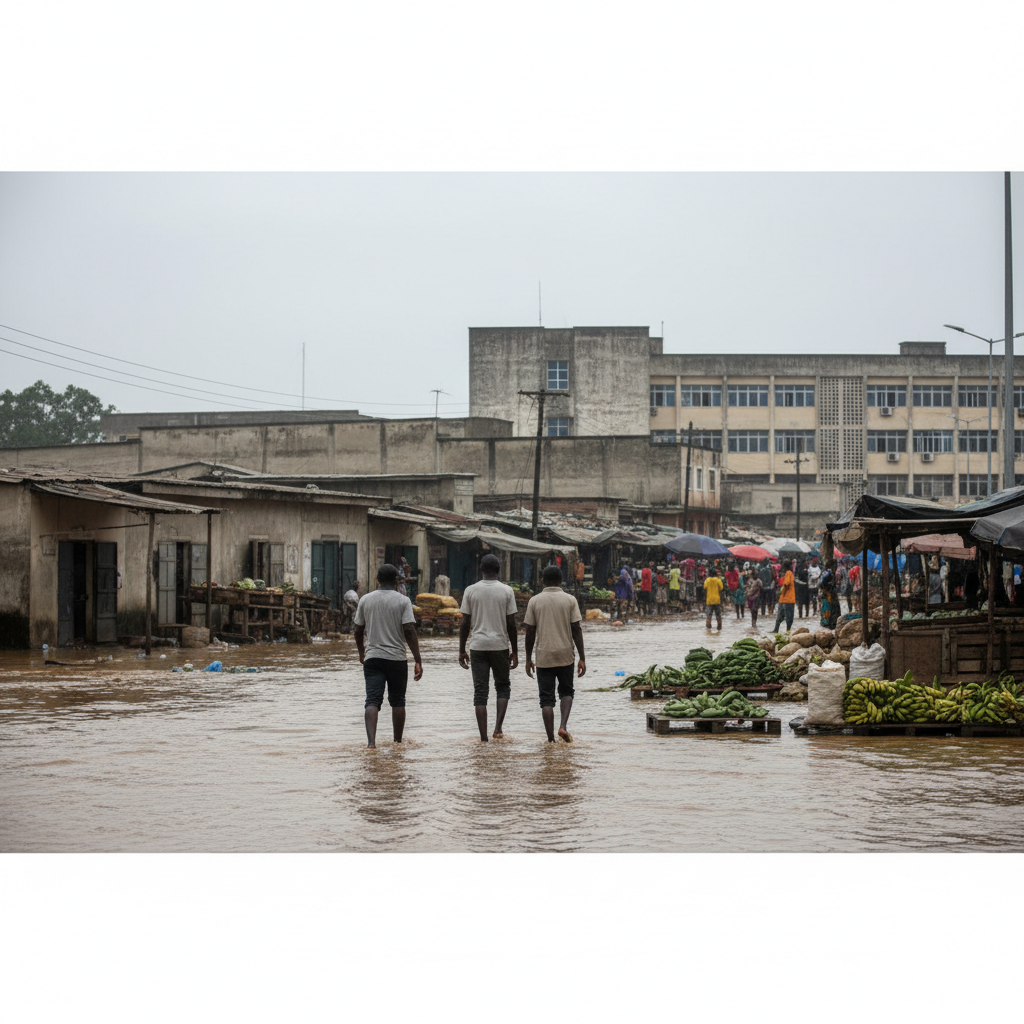
Rev. John Ntim Fordjour, the Member of Parliament for Assin South, has called on the government to declare Accra a disaster emergency zone for one week. This declaration would enable swift and coordinated national response to the recent devastating floods. The floods have severely affected the capital, leading to widespread destruction and displacement.
As the Ranking Member on Parliament's Defence and Interior Committee, Rev. Ntim Fordjour expressed deep sympathy for the flood victims. He emphasised the urgent need for government action to halt further loss of lives and damage to property. Torrential rains inundated homes, businesses, and critical roads across Accra, leaving many residents stranded. Emergency agencies are currently undertaking rescue operations in several affected communities.
This call for a disaster emergency highlights Ghana's recurring challenge with urban flooding, especially in its capital. Accra faces regular flooding during the rainy season, impacting economic activity and public safety. These events often disrupt transportation, commerce, and daily life for hundreds of thousands of residents. The repeated occurrences underscore the need for resilient infrastructure and robust disaster preparedness strategies. Over GHS 1 billion has been lost to floods in Accra over the past decade, according to various reports.
Rev. Ntim Fordjour explicitly stated on social media, "The government must declare Accra a DISASTER EMERGENCY for one week starting today!" He urged the immediate deployment of security agencies and emergency responders. This deployment would support affected communities and work with agencies like the Department of Urban Roads. Their task would be to restore access on flooded roads.
The declaration of a disaster emergency would likely unlock additional resources and streamline coordination among various state institutions. This could include the National Disaster Management Organisation (NADMO) and the Ghana Armed Forces. Decision-makers would need to assess the economic impact and determine the best allocation of funds. Swift action would be crucial to mitigate long-term economic disruption and protect vulnerable populations. The Ghana cedi often experiences volatility during such crises due to increased government spending and potential supply chain issues. Businesses in the affected areas face significant losses, impacting local economies and employment.
Government response to this call will be closely watched by the public and various stakeholders. The speed and effectiveness of relief efforts will be critical in restoring normalcy and trust. Investors and rating agencies also monitor such events for their potential impact on Ghana's economic stability. The government's actions post-flooding often influence perceptions of its disaster management capabilities. A robust response could help minimise the economic fallout and rebuild affected communities more quickly. The long-term plan for flood mitigation, including improved drainage systems, remains a key area of public interest and policy debate.