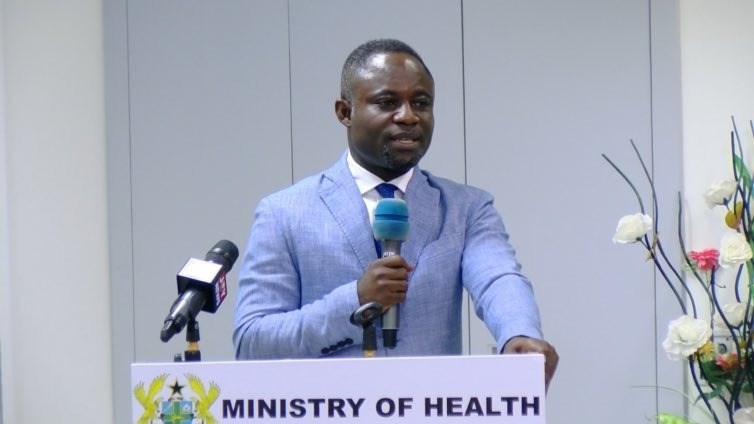
Ghana’s National Health Insurance Scheme (NHIS) will begin increasing its tariffs from August 2026. Health Minister Kwabena Mintah Akandoh announced this adjustment, stating it will help strengthen the scheme.
The tariff increase intends to make the NHIS more financially stable. It also aims to ensure healthcare providers receive adequate payments for services given to insured patients. This move is critical for the long-term effectiveness of Ghana’s healthcare system.
This tariff adjustment fits into Ghana’s ongoing efforts to improve healthcare financing. The government has ensured timely transfers from the National Health Insurance Levy (NHIL). This consistent funding helps settle claims quickly, a vital part of the NHIS’s operation. The current administration has prioritized these transfers.
“I’m happy to announce that very soon, we are going to increase the tariffs of the National Health Insurance. I think in August it’s going to start,” Mr. Akandoh told Parliament’s Assurance Committee. He also warned against facilities demanding illegal extra payments, known as co-payment. Investigations have found many cases of this illegal practice. Some facilities are already facing prosecution for defrauding the system.
The tariff hike will likely impact the financial burden on NHIS members, though details on the extent of increases are not yet public. Healthcare providers will benefit from higher reimbursement rates, potentially improving service quality. The market for private health insurance might also see shifts depending on the new NHIS costs. Lawmakers will monitor the implementation closely. Ghana’s Ministry of Health will continue to crack down on fraudulent activities. This includes strict monitoring of healthcare facilities to ensure compliance with NHIS rules. Service providers found engaging in illegal co-payment practices will face legal action. This enforcement aims to protect subscribers and maintain the scheme’s integrity.
The sustainability of the NHIS is crucial for Ghana’s public health goals. Data from the National Health Insurance Authority (NHIA) shows millions of Ghanaians rely on the scheme. Ensuring its financial health means more people can access necessary medical care. This supports broader national development targets. The government’s commitment to timely NHIL transfers highlights its awareness of these funding needs.