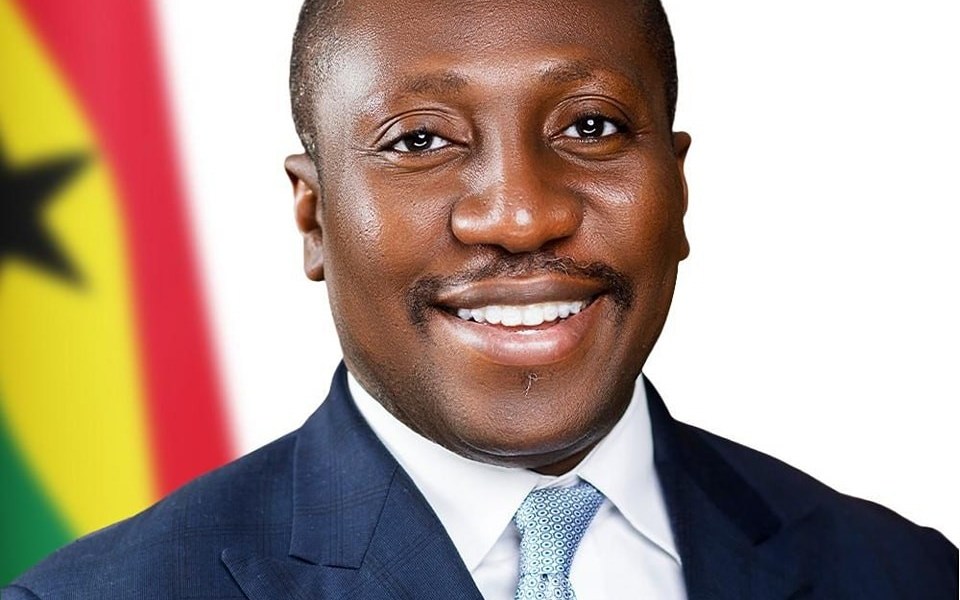
Minority Leader Alexander Afenyo-Markin has alleged the National Democratic Congress (NDC) government is selling contracts for its 24-Hour Economy markets. He claims these contracts are allocated to party executives who then resell them for percentages.
Afenyo-Markin stated these individuals lack the necessary technical knowledge and financial backing. They reportedly pass the contracts to businessmen, taking a cut in the process. This practice raises questions about transparency and fairness in government procurement processes.
This accusation fits into a broader narrative of political patronage and resource allocation in Ghana. Previous administrations have faced similar criticisms regarding the distribution of state contracts. Such allegations can erode public trust and deter legitimate businesses from participating in government projects. The 24-Hour Economy initiative itself aims to boost economic activity and create jobs, but its implementation methods are now under scrutiny.
“The NDC government is selling the 24-Hour Economy Markets contracts,” Afenyo-Markin stated on Accra-based Atink TV. He added, “These contracts have been allocated to party executives who are selling the contracts and taking their percentages.” This direct attribution underscores the seriousness of the claim.
The implications are significant for both the government’s credibility and the effectiveness of its economic policies. If true, such practices could lead to substandard project execution and inflated costs. It also suggests a misdirection of focus from more pressing national needs. Decision-makers must address these allegations to ensure public funds are used efficiently. The market will watch for any official response or investigation into these claims.
Afenyo-Markin further criticized the government’s prioritization, arguing that health facilities should take precedence. He highlighted the plight of Agenda 111 hospitals, which he claims are deteriorating. Meanwhile, people are dying due to a lack of access to adequate healthcare facilities.
He clarified his stance, stating, “I am not saying 24-Hour markets are not good.” However, he emphasized the critical need for health infrastructure. “In the order of priorities of a country, we will not leave Agenda 111 while people are dying,” he asserted. This highlights a perceived imbalance in government spending and project focus.
The Agenda 111 project, launched to build 111 district hospitals, aims to improve healthcare access across Ghana. Its reported stagnation, contrasted with new market initiatives, fuels public debate. This situation creates a dilemma for the government regarding its development agenda. It must balance economic growth initiatives with essential social services.
The allegations could also impact investor confidence, as transparency in public contracting is crucial for a stable business environment. International partners often scrutinize governance practices when considering aid or investment. Therefore, these claims extend beyond domestic political squabbles. They touch upon Ghana’s broader economic reputation and development trajectory.
The government’s response to these allegations will be critical. A thorough investigation could either clear its name or confirm the concerns raised. Failure to address the claims adequately might reinforce perceptions of corruption. This could further undermine public support for key government programs. The focus remains on ensuring that national projects genuinely serve the public interest.