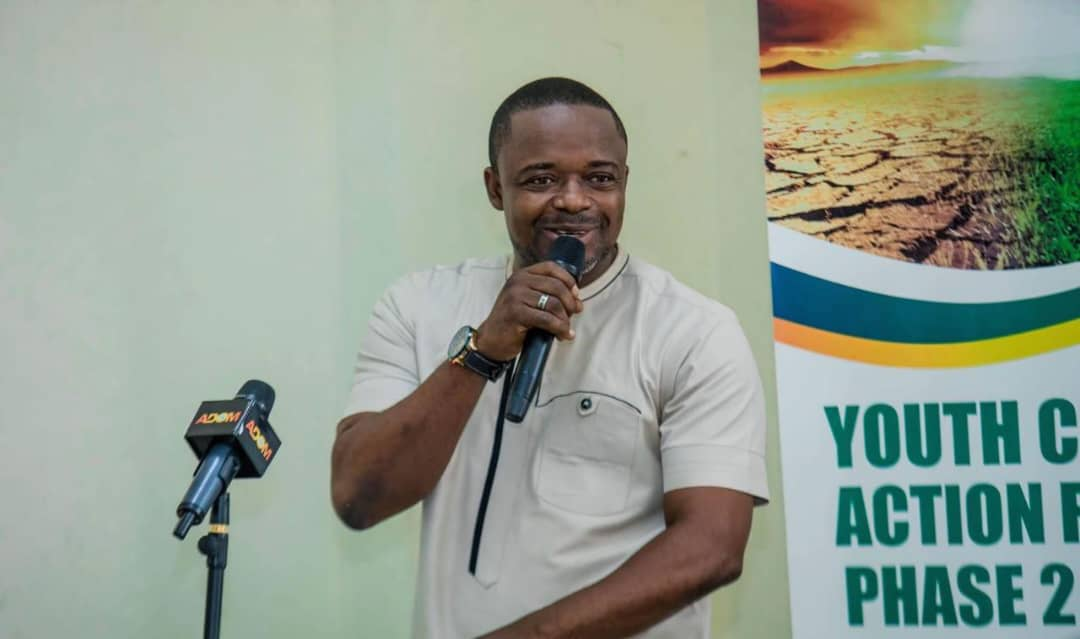
The President of the National Association of Local Authorities of Ghana (NALAG), Alfred Asiedu Adjei, has urged assembly members to closely monitor public funds allocated to Metropolitan, Municipal, and District Assemblies (MMDAs). This directive aims to ensure that the substantial GHS 7.934 billion, representing about 90.47 percent of the total fund, translates into meaningful development across communities.
Mr. Adjei made this significant call at a two-day workshop held in Kumasi. The event, organized by the Ministry of Local Government, Chieftaincy and Religious Affairs, the Institute of Local Government Studies (ILGS), and NALAG, gathered key stakeholders. These included assembly members, presiding members, Metropolitan, Municipal, and District Chief Executives (MMDCEs), and coordinating directors.
This emphasis on financial oversight aligns with Ghana's ongoing efforts to strengthen decentralization and improve public accountability. Effective local governance is crucial for delivering essential services and infrastructure, directly impacting citizens' daily lives. The timely release of the District Assemblies Common Fund and other direct allocations to MMDAs, as commended by NALAG, underscores the government's commitment to this process.
Mr. Adjei stressed that the principle of “funds must follow functions” must be accompanied by robust accountability. He stated, “Where funds go, accountability must follow.” He urged assembly members to go beyond attending meetings and approving documents. They must take a keen interest in their assemblies’ finances, budgets, annual action plans, allocations, and development projects. This proactive approach ensures that public resources are utilized efficiently and for their intended purposes.
Assembly members have a responsibility to raise concerns through appropriate channels when projects face delays or public resources are improperly utilized. Mr. Adjei cited the 2026 allocation figures presented at the workshop, which showed direct allocations to MMDAs at approximately GHS 7.934 billion. This figure represents about 90.47 percent of the total fund available for local development initiatives.
The NALAG President emphasized that public funds belong to the people and must be accounted for. He clarified that these funds do not belong to MMDCEs, assembly members, coordinating directors, finance officers, or political parties. He also cautioned assembly members against allowing political affiliation, personal relationships, or fear to prevent them from raising legitimate concerns. Challenges such as poor roads, flooding, inadequate infrastructure, and poor sanitation affect all citizens, regardless of their political affiliations.
Effective decentralization requires a clear link between the responsibilities assigned to local authorities and the resources provided to perform those functions. Mr. Adjei summed up the process as “functions, funds, accountability, results and development.” He stressed that resources must be properly monitored to achieve the desired outcomes and deliver tangible benefits to communities. These benefits include improved roads, schools, sanitation facilities, health services, markets, water projects, and economic opportunities.
The call for heightened scrutiny implies a greater demand for transparency and efficiency from local government officials. Decision-makers and citizens will be watching to see how assembly members respond to this charge. Increased oversight could lead to better project execution, reduced corruption, and more impactful development outcomes at the local level. This initiative is vital for building public trust in local governance and ensuring that significant public investments yield their intended returns for the Ghanaian populace.