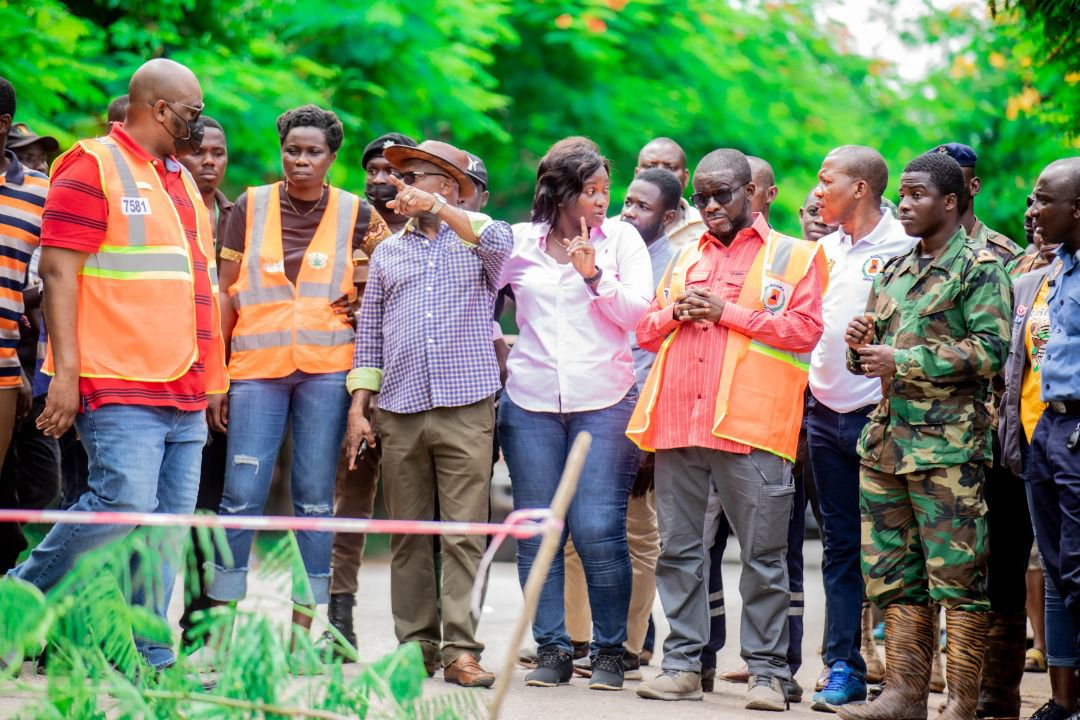
Former Member of Parliament for Anyaa-Sowutuom, Dr. Dickson Adomako Kissi, has urged the National Disaster Management Organisation (NADMO) to move beyond distributing relief items. He wants NADMO to instead focus its operations on disaster prevention. This shift aims to make Ghana's disaster response system more proactive.
Dr. Adomako Kissi's comments follow recent heavy rains. These rains caused widespread flooding across parts of the Greater Accra Region. The floods led to loss of lives and significant displacement of residents. Homes and businesses were submerged, alongside a fire outbreak in the Odawna area.
Ghana consistently faces the challenge of seasonal flooding, particularly in urban centres like Accra. This problem often results in considerable economic losses and humanitarian crises. The call for prevention over relief reflects a broader national imperative. This imperative seeks to build resilience against extreme weather events. The Ghana Statistical Service reported that floods affected over 300,000 people between 2010 and 2020. This highlights the urgent need for robust long-term solutions.
Speaking on Channel One TV on Tuesday, June 30, Dr. Adomako Kissi stated NADMO remains under-resourced. He said the organisation lacked adequate equipment to fulfil its mandate effectively. He noted that successive governments have not provided the necessary support to NADMO. “NADMO’s equipment levels are low, and it’s not an NDC government thing. Over the years, NADMO has not been well equipped. The Ghanaian NADMO, which is a disaster management authority, has largely been focused on giving out rice and mattresses, and I really think that the focus needs to change,” he explained.
The current approach, heavily reliant on post-disaster relief, places a strain on public finances. The Minister of Finance, Dr. Cassiel Ato Forson, faces repeated calls for emergency funding. This pattern diverts resources from crucial development projects. A proactive prevention strategy could reduce these unexpected budgetary pressures. It would also safeguard livelihoods and infrastructure investments.
Dr. Adomako Kissi stressed that disaster prevention deserves equal, if not greater, attention than emergency response. He called for increased investment in technical expertise and flood mitigation strategies. “Prevention is also part of their mandate. They need appropriate engineers, not party faithfuls, who can work with the assemblies to identify high-risk flood areas and implement preventive measures before disasters occur,” he stated. He pointed to worsening traffic congestion caused by flooding. This particularly affects commuters into Accra. He urged authorities to engage companies whose operations may be obstructing waterways. These obstructions contribute to flood risks.
He further appealed to Finance Minister Dr. Cassiel Ato Forson to review budgetary allocations and reimbursements to NADMO. This review would enable the agency to invest more in long-term flood prevention. This would ensure sustainable efforts against recurring flood disasters. These remarks come as authorities continue to assess the impact of recent floods. These floods have left several communities inundated. They have displaced many residents. Concerns about Ghana’s preparedness for extreme weather events have heightened.
The financial implications of recurrent flooding are substantial. Direct damage to property and infrastructure runs into millions of Ghana Cedis annually. Indirect costs include lost productivity and public health consequences. A strategic shift by NADMO, backed by appropriate funding, could yield significant economic benefits. This benefits the nation through reduced reconstruction costs and enhanced economic stability. The effectiveness of such a shift will depend on inter-agency cooperation. It will also depend on sustained political will and clear accountability measures. These measures are essential to protect the public.