Metropolitan, Municipal, and District Assemblies (MMDAs) that have met reporting requirements will receive their second-quarter District Assemblies Common Fund (DACF) transfers this week. This disbursement is a critical step in funding local development projects across Ghana. The DACF Administrator, Michael Harry Yamson, confirmed that most assemblies have complied with the necessary conditions.
The timely release of these funds is crucial for local governance and development initiatives. Only four assemblies have yet to meet the conditions for their funds. Mr. Yamson stated that funds for compliant assemblies are ready for transfer, with disbursements expected between Friday and the following Friday. Non-compliant assemblies will receive their funds once they submit the required returns.
This development fits into Ghana's broader economic strategy to strengthen local government financial autonomy. The DACF has enhanced its compliance mechanisms, requiring assemblies to submit financial returns through the Integrated Financial Management Information System (GIFMIS). This measure ensures greater financial accountability and transparency in the use of public funds at the local level.
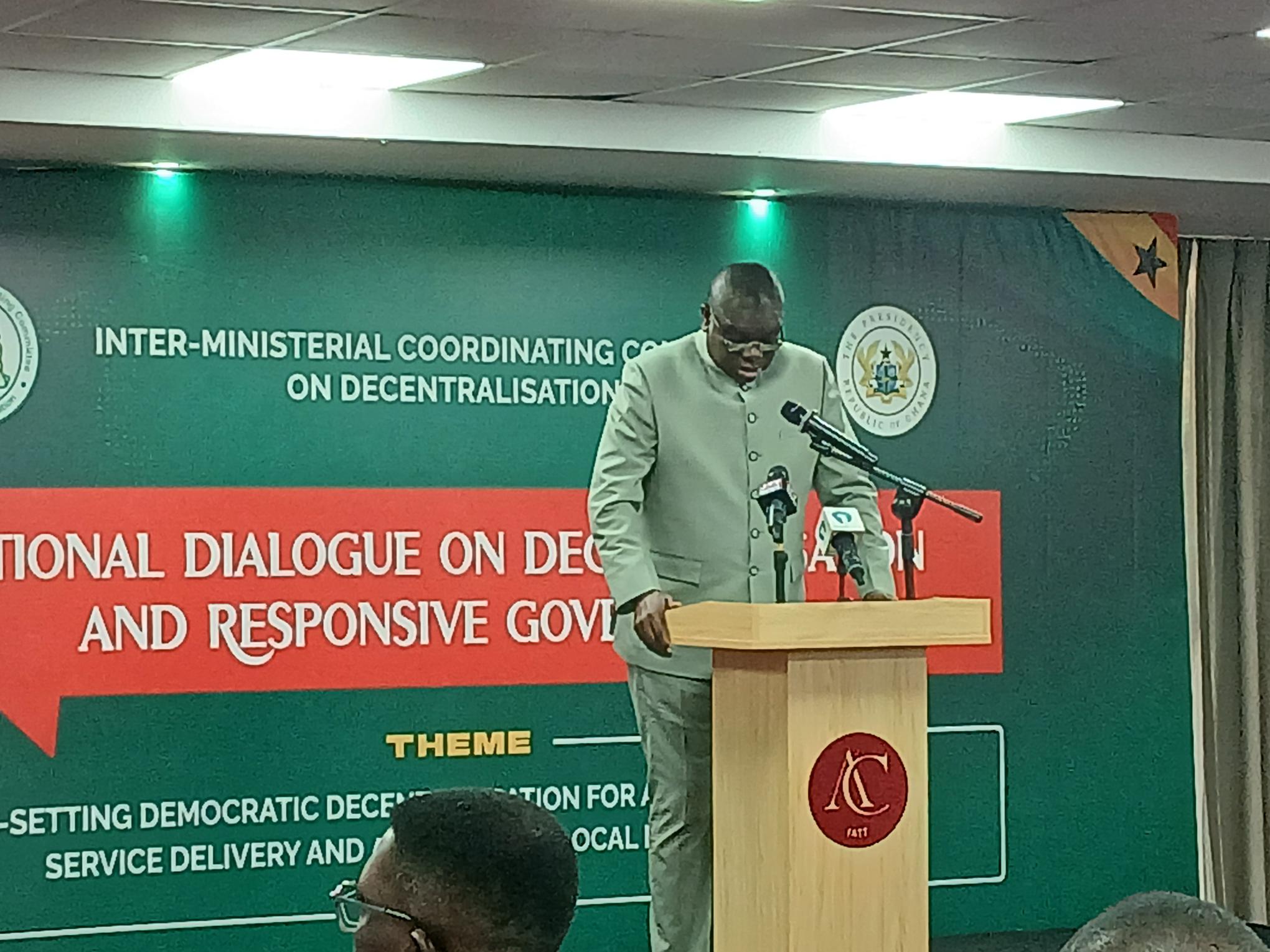
Mr. Michael Harry Yamson, Administrator of the DACF, spoke at the National Dialogue on Decentralisation and Responsive Governance in Accra on Tuesday. He stressed that compliance is mandatory before funds are released. "Everybody else will get their money between Friday and the following Friday," he said, adding that funds for non-compliant assemblies are held at the Central Bank until requirements are met.
The implications of these stricter compliance rules are significant for local development. Assemblies are now incentivized to improve their financial reporting and management. This approach aims to prevent delays observed during the first-quarter transfer process, where some assemblies expected funds despite failing to submit returns.
Beyond compliance, Mr. Yamson urged assemblies to strengthen their internally generated funds (IGF). He highlighted that excessive dependence on DACF transfers can hinder sustainable local development. Assemblies can increase revenue through property rates, market levies, and other charges linked to economic activities within their jurisdictions.
This focus on IGF is part of proposals to transform Ghana’s decentralisation system. The goal is to reduce assemblies’ reliance on central government transfers. The DACF is exploring mechanisms to reward assemblies that make stronger efforts to expand their economic base and increase their own revenue.
Further reforms include improving transparency through digital systems like the Intellects platform. This platform integrates financial and operational information on assemblies. Mr. Yamson explained that the system monitors returns, bank reconciliations, and development projects, tracking information down to the electoral area level. "We've built a system that is live, that is transparent and that is accurate," he stated.
The DACF will now hold transfers for assemblies even one month in arrears on submitting returns. This ensures full compliance before funds are released. These reforms aim to embed accountability into local governance, ensuring public resources translate into sustainable development.
Additionally, the DACF has launched the Community Partners Fund to mobilize resources from citizens, the diaspora, corporate bodies, and international organizations. This fund will complement government transfers and foster stronger links between assemblies and private-sector financing for local development projects. The ultimate objective is to move Ghana’s decentralisation system towards greater fiscal, administrative, and political autonomy for local governments.
Mr. Yamson called for collaboration among Parliament, government institutions, development partners, assemblies, and citizens. This collective effort is essential to ensure decentralisation delivers meaningful development at the local level. The two-day dialogue focused on "Resetting Democratic Decentralisation for Accountable Public Service Delivery and Accelerated Local Development."