The Minority in Parliament has rejected the government's decision to increase the fuel oil levy from GHS 0.24 per litre to GHS 1.93 per litre. This substantial increase, representing over 700%, is expected to raise production costs for businesses and ultimately consumer prices across the country. The new levy was introduced through amendments to the existing Energy Sector Levies framework.
This significant hike is intended by the government to reduce revenue losses. These losses are primarily attributed to widespread fuel smuggling and the misuse of fuel subsidies. However, the Minority argues that this approach will disproportionately affect legitimate businesses and consumers. They believe it will do little to curb the illegal activities of fuel smugglers.
This development fits into Ghana's ongoing economic narrative of balancing revenue generation with cost-of-living pressures. The nation has been grappling with high inflation rates, making any policy that could exacerbate price increases a point of contention. Previous government efforts to stabilize the economy have included various tax adjustments and subsidy reforms, often met with mixed public and political reactions.
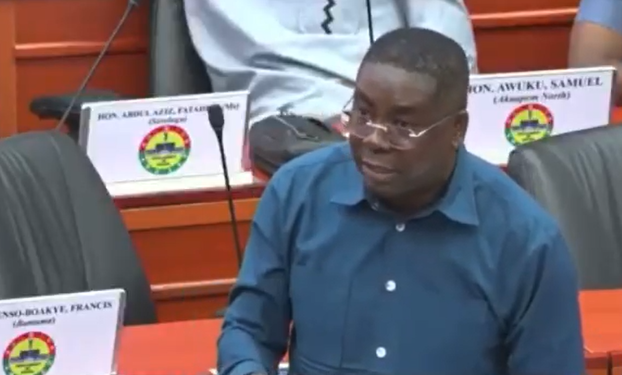
Tano North MP, Dr. Gideon Boako, speaking during the debate on the Energy Committee’s report, criticized the government's rationale. He stated, “Once the hunter has learnt to shoot without missing, the bird also goes flying without perching.” Dr. Boako emphasized that additional taxes would primarily impact compliant businesses, while smugglers would likely continue their illicit operations unaffected. He questioned the lack of investment in better tracking systems and electronic monitoring to combat fuel smuggling effectively.
The implications of this levy increase are significant for Ghana's economy. Businesses relying on fuel oil for operations, such as manufacturing companies using it for boilers, generators, or industrial heat, will face higher input costs. These increased costs are typically passed on to consumers through higher prices for goods and services. This could undermine efforts to control inflation, which the Bank of Ghana has been actively working to manage. Decision-makers and markets will closely watch the impact on inflation figures and business operating costs in the coming months. The Minority maintains that strengthening enforcement and closing loopholes would be a more effective strategy than increasing taxes.