Ghana's Minority Caucus in Parliament has firmly rejected the government's claim of no new taxes in the 2026 Mid-Year Budget Review. They insist that several fiscal measures announced by the Finance Minister amount to fresh taxes. These measures will place additional pressure on businesses and households across the country.
The Minority's stance directly contradicts the government's position. They argue that the budget contains provisions that will ultimately increase the financial burden on Ghanaians. This includes the extension of the Growth and Sustainability Levy, which was initially temporary. The continuation of the Special Import Levy also adds to the tax burden.
New Value Added Tax (VAT) on non-life insurance premiums is another significant measure identified. Petroleum-related levies have also been introduced or adjusted. The removal of tax exemptions on bunkering and marine gas oil further contributes to increased costs. These combined measures, the Minority asserts, are new taxes.
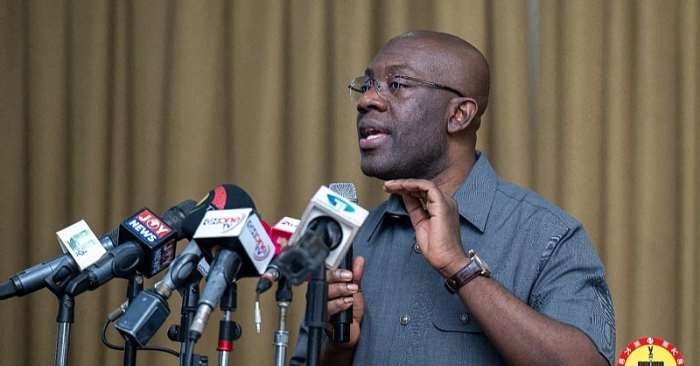
Kojo Oppong Nkrumah, the Ranking Member on the Economy and Development Committee, articulated these concerns. He stated that the government's position was misleading. Mr. Oppong Nkrumah is also the Member of Parliament for Ofoase-Ayirebi. He spoke at a press conference in Parliament, detailing the specific tax measures.
These measures will inevitably raise the cost of doing business in Ghana. They will also increase production costs for various industries. Ultimately, these higher costs will translate into higher prices for consumers. This could impact inflation and household budgets significantly.
The Minority also criticized the Finance Minister for failing to provide a comprehensive update. They noted the absence of detailed figures on the government’s revenue and expenditure performance. This lack of transparency makes it difficult to assess the true state of the nation's finances.
Mr. Oppong Nkrumah accused the government of relying on public relations. He suggested they are presenting an overly positive economic picture. This approach, he argued, avoids offering detailed figures comparing budget targets with actual performance. Such data is crucial for informed economic analysis.
Abena Osei Asare, a former Deputy Finance Minister and MP for Atiwa West, also questioned the government’s fiscal discipline. She alleged that the Ghana Revenue Authority (GRA) exceeded its approved 2025 budget. This alleged overspending amounted to approximately GHS 100 million. Such actions contradict the government’s repeated calls for prudent financial management.
Mrs. Osei Asare further raised concerns about the funding of new projects. These projects were announced in the Mid-Year Budget Review. She questioned how the government intended to finance these initiatives. Parliament's approval through a supplementary budget is typically required for such funding. The absence of this approval raises procedural and financial questions.
The debate over these fiscal measures highlights ongoing tensions between the government and the opposition. It underscores concerns about economic management and transparency. Businesses and households will closely watch the implementation of these measures. Their impact on the cost of living and doing business will be significant.
The government's response to these allegations will be critical. It will shape public perception and market confidence. The long-term effects of these alleged new taxes on Ghana's economic stability remain a key area of focus. Stakeholders will monitor how these policies affect inflation, investment, and overall economic growth in the coming months.