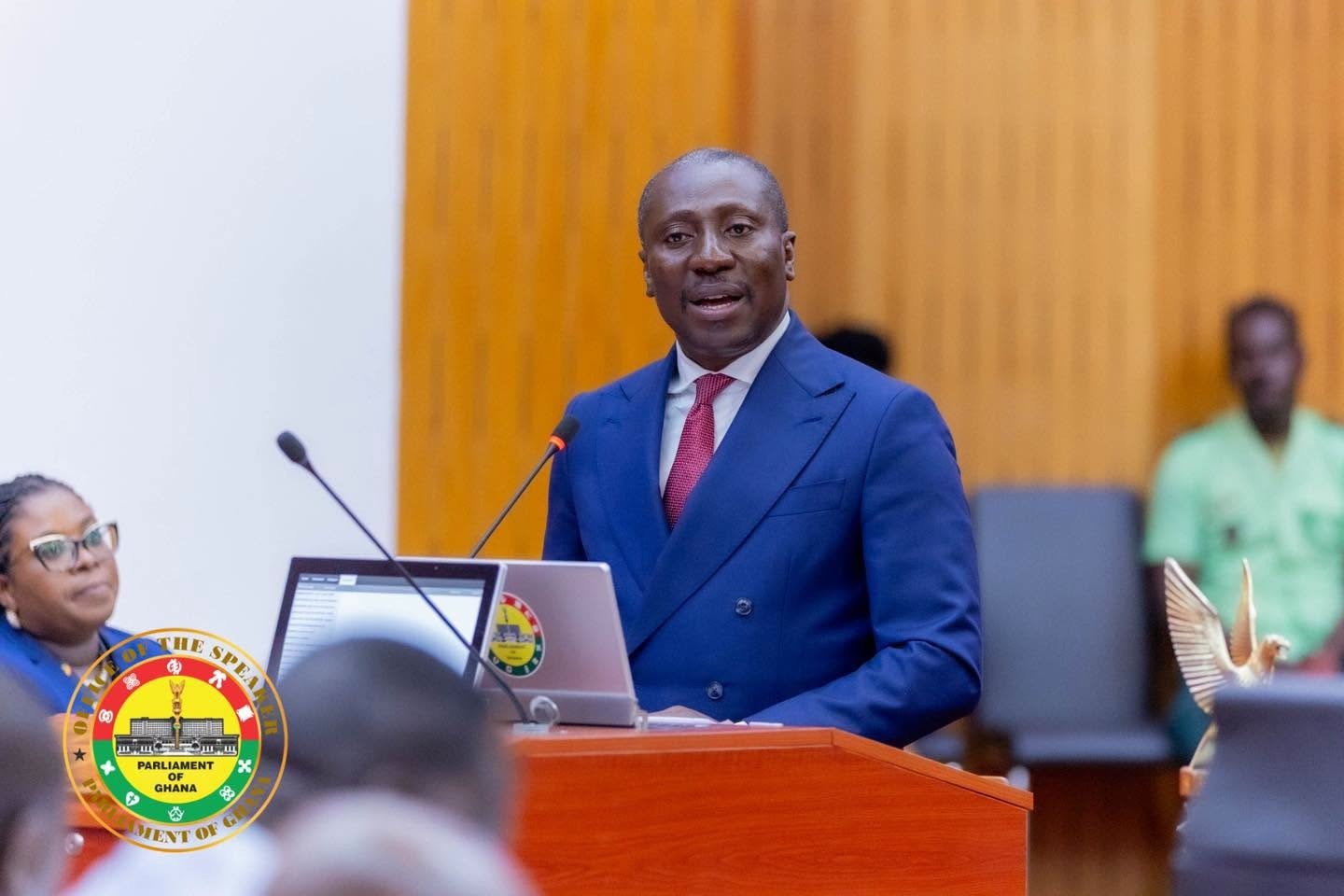
Ghana's Minority in Parliament claims the Bank of Ghana (BoG) incurred losses of GHS 22 billion from its Domestic Gold Purchase Programme. This figure, equivalent to approximately US$1.7 billion, was reportedly highlighted in the International Monetary Fund's (IMF) latest assessment of Ghana's economy.
The Minority Leader, Alexander Afenyo-Markin, stated that these losses, which represent about 1.5% of Ghana's Gross Domestic Product (GDP), were not an allegation but were contained within the IMF's findings. The opposition expressed significant concern over the financial implications of the programme, particularly its structure involving the Ghana Gold Board (GoldBod).
This revelation comes as Ghana navigates a challenging economic period, including an ongoing IMF Extended Credit Facility programme. The central bank's financial health is crucial for maintaining economic stability and investor confidence. Previous reports have also highlighted the BoG's financial performance, making these new claims particularly sensitive.
Mr. Afenyo-Markin emphasized that the reported loss scale demands a thorough examination of the gold purchasing programme's structure. He questioned how the programme was financed and managed, especially given GoldBod's role in buying, aggregating, assaying, and exporting gold while the Bank of Ghana provided the necessary financing.
The Minority's primary concern centers on the programme's structure, where GoldBod reportedly earned fees from transactions while the Bank of Ghana bore the principal financial risk. Mr. Afenyo-Markin questioned whether this arrangement created an imbalance in incentives. He highlighted that GoldBod undertook commercial activities, earning transaction-based income, while the central bank absorbed potential losses.
He argued that the accounting location of a loss does not change its economic reality. Ghanaians are ultimately responsible for the financial consequences borne by state institutions. The Minority is not against the gold purchase policy or accumulating gold reserves, which contribute to foreign exchange reserves and broader economic stability. However, they seek answers regarding the cost of these benefits and the proper management of state-assumed risks.
The Minority demanded details on gold prices paid, price determination methods, and premiums secured for supplies. They also requested information on the selection of international off-takers and discounts for doré gold sales. Further, they sought disclosure of service and assay fees earned by GoldBod and the commercial risks it bore. These details are crucial for assessing the programme's pricing discipline and risk controls.
The Minority also pointed to a significant change in the financing arrangement. GoldBod announced on August 11, 2026, that it had ceased receiving BoG funds for gold purchases since March 2026. GoldBod now mobilizes financing directly from commercial banks and off-takers. The Minority questioned why the previous arrangement was discontinued.
This shift aligns with an IMF recommendation for the Bank of Ghana to refrain from quasi-fiscal activities. The IMF suggested transferring the Domestic Gold Purchase Programme fully to GoldBod to eliminate associated risks. The Minority questioned the original structure's financial soundness if the Bank of Ghana stopped financing GoldBod's purchases.
Despite GoldBod reporting a GHS 5.44 billion overall surplus for the 2025 financial year, according to the Auditor-General's report, the Minority challenged this figure. Mr. Afenyo-Markin argued that GoldBod's reported surplus might not represent the complete financial outcome. He maintained that costs borne by the central bank must be considered when assessing the programme's overall performance. The Minority has called for a fresh parliamentary probe into the matter.