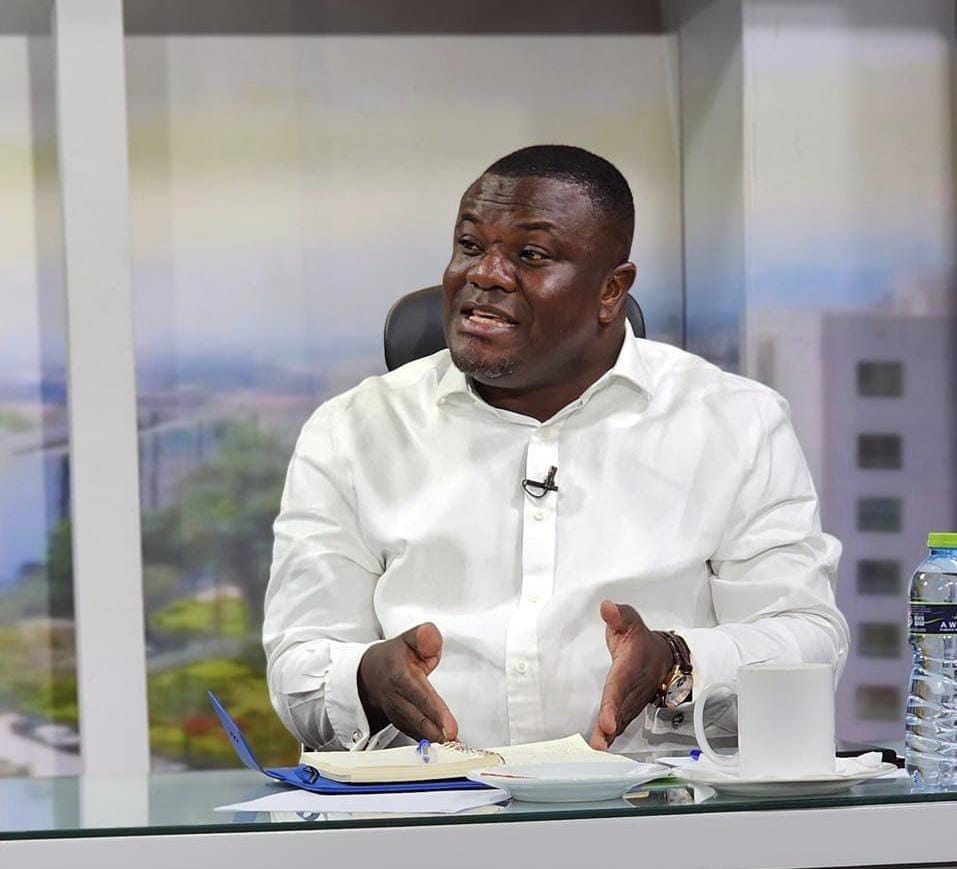
Ghana’s parliamentary Minority has accused Finance Minister Dr. Cassiel Ato Forson of using Certificates of Urgency to pass tax increases. This approach, they argue, prevents Parliament from adequately examining these financial measures. The Deputy Ranking Member on Parliament’s Energy Committee, Collins Adomako-Mensah, stated that the recent increase in the fuel oil levy is part of a recurring pattern.
Tax-related changes are frequently introduced on Parliament's last sitting day. These changes are then pushed through using urgent procedures. Mr. Adomako-Mensah questioned the last-minute introduction of such amendments. He emphasized that Parliament needs sufficient time to review decisions impacting the cost of living for Ghanaians.
This practice fits into a broader narrative of government revenue mobilization efforts. Ghana faces significant fiscal challenges, including a high public debt burden and the need to stabilize its economy. The government has been under pressure to increase its domestic revenue to meet International Monetary Fund (IMF) program targets and fund essential services.
Mr. Adomako-Mensah specifically noted, “Since last year, anytime he’s bringing an amendment to increase taxes, he brings it on the last day that we are rising, and he comes to Parliament under a Certificate of Urgency.” This statement highlights the Minority's concern about a systemic issue rather than an isolated incident. The government’s reliance on Certificates of Urgency for financial legislation has been a point of contention in previous parliamentary sessions.
These comments follow Parliament’s approval of changes to the Energy Sector Levies framework. The fuel oil levy increased significantly from GHS 0.24 per litre to GHS 1.93 per litre. This represents a substantial rise that will directly impact fuel prices and, consequently, the cost of goods and services across the country.
The government has defended the increase in the fuel oil levy. It argues the measure will help reduce revenue losses from fuel smuggling and subsidy abuse. Officials also state the additional funds will support the country’s energy sector. This aligns with the government's broader strategy to enhance energy security and reduce its reliance on external funding for energy projects.
However, Mr. Adomako-Mensah claims the government uses its parliamentary majority to pass such measures without adequate discussion. He stated, “Not surprisingly, this time around, again, on the last day of rising, he comes back to Parliament under a Certificate of Urgency to push this through because they have the numbers.” This suggests a perceived lack of democratic debate on critical economic policies.
The lawmaker also criticized the fuel oil levy increase for contradicting the government’s promise to reduce the tax burden on Ghanaians. He asserted, “We are against it, and I believe that the Ghanaian people did not vote for this particular government for them to come and increase taxes. They were promised relief; what we are seeing is the opposite.” This sentiment reflects public frustration over rising living costs.
The Minority acknowledges the government's need to raise revenue. However, it insists that tax measures likely to increase fuel prices and the cost of living require more parliamentary review. They also advocate for greater public consultation before approval. This call for transparency and broader engagement is crucial for building public trust and ensuring equitable economic policies.
Going forward, observers will closely watch how the government balances its revenue generation needs with public concerns about the cost of living. The use of Certificates of Urgency for financial bills will likely remain a contentious issue. Future legislative sessions may see continued debates over the speed and transparency of tax policy changes. The impact of these tax increases on inflation and household budgets will be a key economic indicator to monitor.