Ghana's Minerals Income Investment Fund (MIIF) has for the first time exceeded GHS 5 billion in mineral royalty inflows. This achievement marks a significant step in the nation's efforts to gain more value from its substantial mineral resources. The Fund attributes this success to sustained reforms and improved cooperation with institutions responsible for collecting and managing mineral revenues.
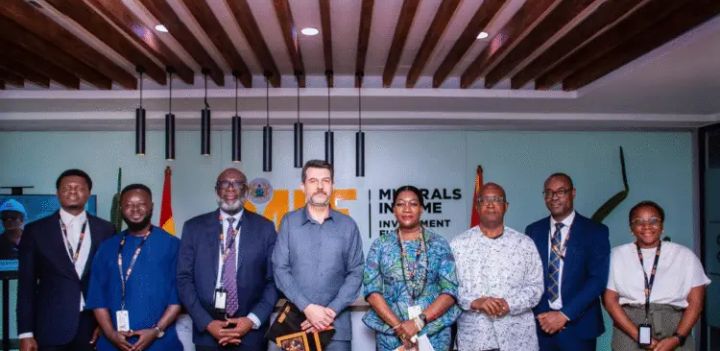
This critical development came into sharper focus during a meeting between MIIF and the International Monetary Fund (IMF) in Accra. Both parties discussed various strategies to boost revenue mobilization, enhance governance, and formalize Ghana's extensive small-scale mining industry. The discussions underscore the importance of these sectors to Ghana's economic stability and growth.
This milestone reflects Ghana's persistent efforts to strengthen its public finances and increase domestic revenue. Data consistently shows the critical role of mineral exports in the country's balance of payments. Prior to these reforms, significant revenue leakage and informal operations hampered full royalty collection. This GHS 5 billion figure indicates a positive shift towards greater fiscal control and transparency within the mining sector.
Justina Nelson, Chief Executive Officer of MIIF, stated the Fund's performance demonstrates effective revenue mobilization despite exchange rate fluctuations and market conditions. She credited close partnerships with the Ghana Revenue Authority (GRA), the Minerals Commission, the Ghana Gold Board, and the Ghana National Association of Small-Scale Miners. These collaborations have notably improved governance and also boosted royalty collections.
Mrs. Nelson emphasized the small-scale mining sector's significant potential to transform Ghana's economy. She stressed that ongoing formalization initiatives will expand the royalty base and improve compliance across the sector. Ernest Attiso, MIIF's Head of Investment, affirmed the Fund's core mandate to maximize mineral royalty collections and invest these revenues for future generations. MIIF's strategic plan until 2028 concentrates on increasing royalty mobilization, strengthening governance, and enhancing risk management. It also focuses on investing in mineral processing, exploration, beneficiation projects, and the formalization of small-scale mining.
Dr. Adrian Alter, the IMF's Resident Representative in Ghana, commended MIIF's achievements. He highlighted fiscal discipline, debt sustainability, and domestic revenue mobilization as vital for maintaining macroeconomic stability and supporting long-term private sector-led growth. Dr. Alter also called for greater transparency and stronger reporting standards within Ghana's mining sector. He noted that despite significant production, formal royalty collections from small-scale mining remain low due to informality and environmental issues. This suggests a continued need for focused intervention and policy reinforcement.
Looking ahead, the successful formalization of Ghana's informal small-scale mining sector will be crucial. This will enable further expansion of the royalty base and increased government revenue. Continued cooperation between MIIF and regulatory bodies will be essential to sustain this positive trend. Investors and economic observers will closely watch ongoing efforts to ensure transparency and compliance, directly impacting Ghana's fiscal health and investment attractiveness.