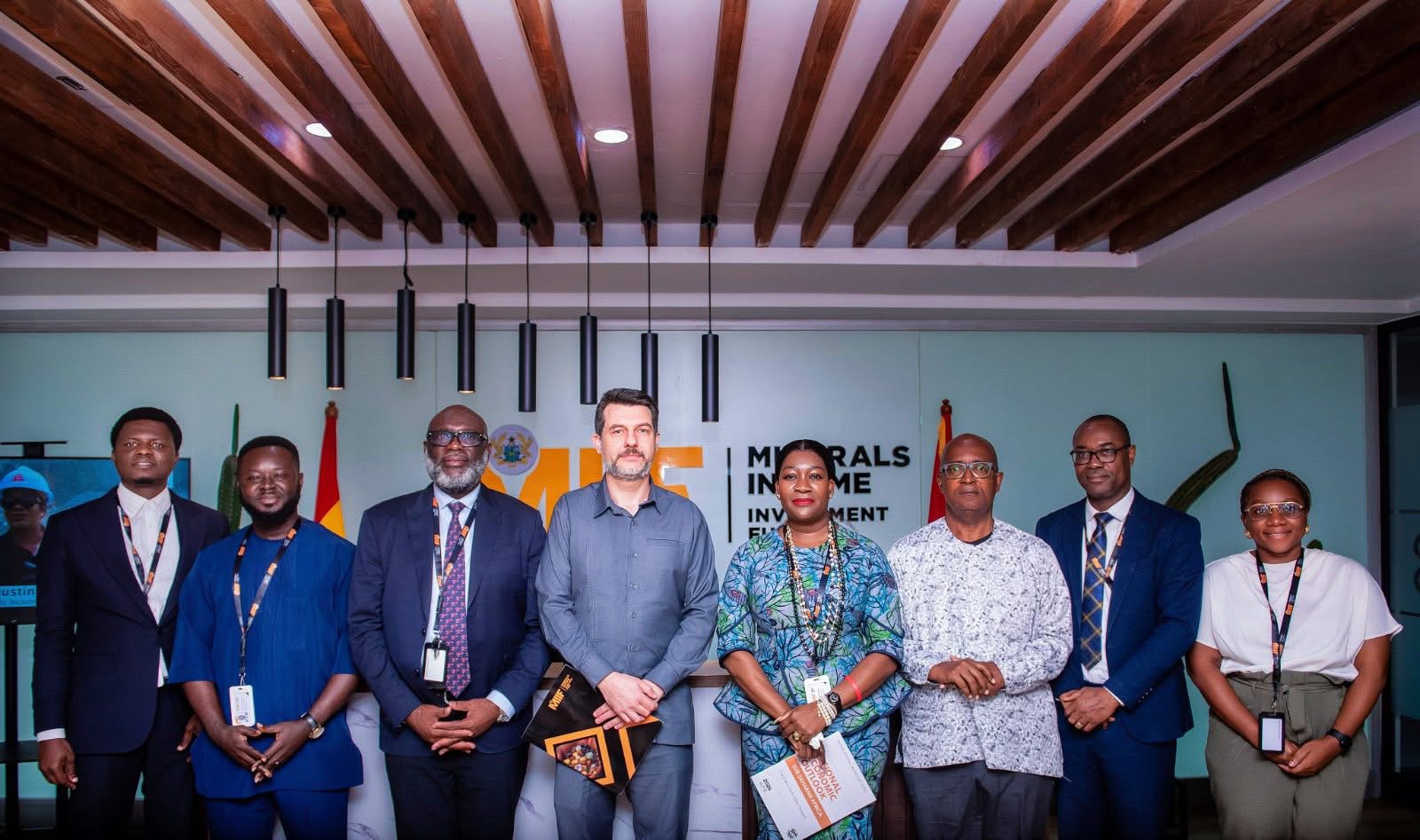
The Minerals Income Investment Fund (MIIF) has driven mineral royalty collections up by almost 500% since 2020. Royalties exceeded GHS 5 billion for the first time in 2025. This significant increase highlights the effectiveness of recent reforms in Ghana’s mining sector.
This milestone was discussed during high-level meetings between MIIF and International Monetary Fund (IMF) officials. The discussions focused on strengthening Ghana’s mining industry and improving mineral revenue collection. Formalizing the small-scale mining sector is a key strategy. This would further boost government revenue and enhance accountability.
This surge in mineral royalty collections contributes positively to Ghana’s broader economic narrative. The nation is actively working to improve its fiscal health and domestic revenue mobilization. Increased royalty collection helps stabilize public finances and supports economic growth. These efforts align with the government’s commitment to fiscal discipline and debt sustainability, crucial aspects of Ghana’s economic recovery strategy.
MIIF Chief Executive Officer, Justina Nelson, attributed the sharp rise to strategic reforms. She also cited stronger collaboration with key institutions in the mining sector. "The improved performance reflected enhanced revenue mobilisation efforts despite prevailing exchange rate fluctuations and challenging global market conditions," Mrs. Nelson stated. She emphasized that the small-scale mining sector offers significant opportunities for economic transformation if properly formalized. The Head of Investment at MIIF, Ernest Attiso, highlighted the fund's three-year strategic plan, which runs until 2028. This plan focuses on increasing royalty mobilization and strengthening governance systems.
The push for formalization and increased revenue collection will likely continue to receive strong backing from international bodies. The IMF Resident Representative, Adrian Alter, stressed the importance of domestic revenue mobilization. He also noted a need for stronger governance across public institutions. Decision-makers and markets will watch for sustained progress in formalizing small-scale mining. This includes efforts to publish audited financial statements promptly. These actions aim to strengthen transparency and public accountability. The long-term implications involve improved national revenue and a more regulated, responsible mining sector.
MIIF is actively collaborating with the Ghana Revenue Authority (GRA) and the Minerals Commission. It also works with the Ghana Gold Board and the Ghana National Association of Small-Scale Miners. These partnerships aim to improve governance and strengthen compliance. They also enhance royalty collection across the entire mining sector. Beyond financial returns, MIIF is committed to Environmental, Social and Governance (ESG) principles. This commitment includes afforestation programs and women empowerment initiatives in mining communities. These efforts ensure that Ghana's mineral wealth benefits both present and future generations sustainably.
The IMF considers strengthening governance across public institutions critical. This means improving transparency and enacting higher reporting standards. It also means implementing effective management of fiscal risks. Dr. Alter expressed optimism that MIIF would lead efforts to formalize the small-scale mining sector. This would significantly improve revenue capture for the state. The discussions also addressed Ghana’s Sliding Scale Royalty Framework. MIIF described this framework as a balanced mechanism. It adjusts royalty payments based on commodity prices, protecting both public revenue and investor interests. The timely publication of audited financial statements is also crucial for transparency.