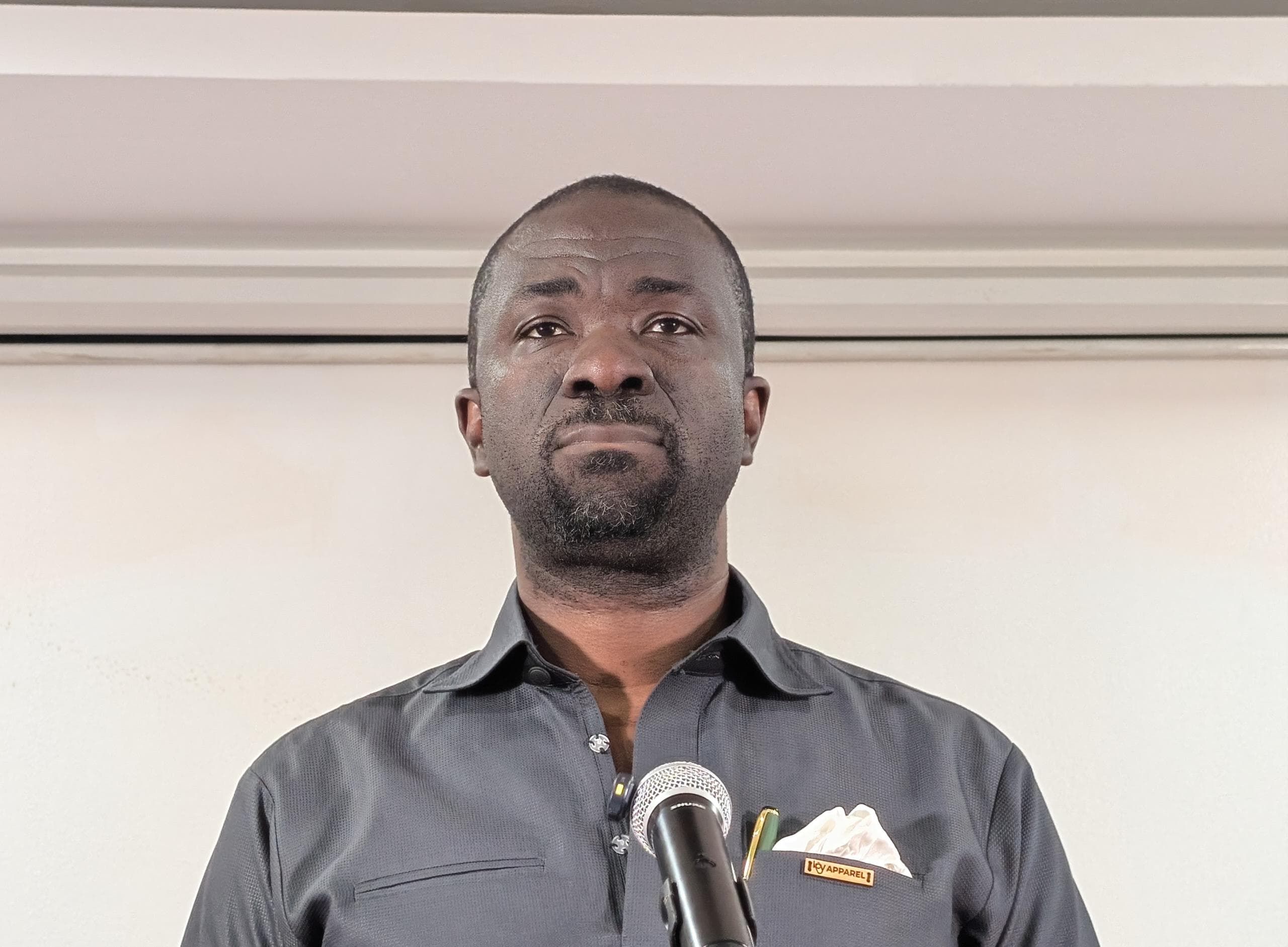
Manhyia South Member of Parliament, Nana Agyei Baffour Awuah, has demanded an independent public inquiry into the “Holy Rain” power deal scandal. This demand follows a criminal conviction in the United States linked to a power project in Ghana during the first administration of President John Dramani Mahama. The conviction and related court documents raise serious questions about the integrity of Ghana’s public institutions.
The scandal centers on efforts by Turkish power producer Aksa Enerji Üretim A.Ş. to secure a deal between 2014 and 2016. This period was marked by severe power shortages known as DUMSOR. US federal court documents referenced a scheme to make improper payments to government officials and a relative of the then-President. These payments allegedly facilitated the deal's approval.
This development fits into a broader pattern of allegations against Ghanaian officials emerging from foreign legal proceedings. Past cases include Mabey & Johnson in 2009 and the Airbus Deferred Prosecution Agreement in 2020. The current allegations highlight persistent concerns about corruption and governance within Ghana’s economic and political landscape. The DUMSOR crisis itself cost the Ghanaian economy between GHS 320 million and GHS 924 million in 2014 alone, representing 2% to 6% of GDP.
Honourable Awuah stated, “If the expression ‘holy rain’ was used to describe money expected by officials involved in the transaction, then what Ghana witnessed was not a rain of blessings but a rain of corruption.” He emphasized that while the prosecution occurred in the US, the underlying transaction directly concerned Ghana. The project required approvals from key Ghanaian bodies, including the Ministry of Power and the Public Utilities Regulatory Commission.
The conviction of Asante Kwaku Berko in a Brooklyn federal court for conspiracy to violate the US Foreign Corrupt Practices Act and conspiracy to commit money laundering underscores the seriousness of the allegations. Berko was remanded pending sentencing after a nine-day trial. The MP noted that the case is not merely an American criminal matter but fundamentally concerns the integrity of Ghana’s public institutions and the protection of the Ghanaian public interest.
Citing US court records, the Manhyia South MP detailed categories of persons allegedly connected to the scheme. These included the Minister of Power at the time, an adviser described as “Ghana Official 1,” and a senior Ministry of Power official listed as “Ghana Official 2.” A “Presidential Relative” associated with a consulting company involved in the deal was also referenced. A payment ledger introduced as evidence reportedly contained entries for various individuals and institutions.
Specific figures cited included approximately US$120,000 associated with the Public Utilities Regulatory Commission (PURC). Another US$20,000 was associated with Ghana Grid Company Limited (GRIDCo) engineers. The ledger also referenced “MoP Girls” who were allegedly allocated funds for “communication and information acquisition” at the Ministry of Power. These details paint a picture of widespread alleged financial impropriety.
The timing of these alleged payments is particularly troubling given the severe economic impact of DUMSOR. Research by ISSER indicated that DUMSOR caused significant losses, with a separate study estimating GHS 250 million in losses for 885 small and medium manufacturing firms. This led to 285 firms closing and approximately 5,000 jobs lost. While Ghanaians suffered, allegations suggest individuals connected to the power deal sought private financial benefits.
The New Patriotic Party (NPP) has made three key demands. First, they call for a publicised, independent inquiry into the Aksa power project and the allegations of improper payments. This inquiry should establish the truth and recommend reforms. Second, the NPP demands the inquiry reveal the identity of the “Presidential Relative” and explain the role of the “MoP Girls.” Third, the NPP expressed a lack of confidence in the Attorney-General to investigate this matter. They called on the Office of the Special Prosecutor to lead the investigation, citing recent nolle prosequi entries in other high-profile cases.
This case highlights the ongoing need for transparency and accountability in Ghana’s public sector. Decision-makers and the public will closely watch how these demands are addressed. The outcome could significantly impact public trust in government institutions and future investment decisions. The integrity of Ghana’s governance framework is once again under scrutiny.