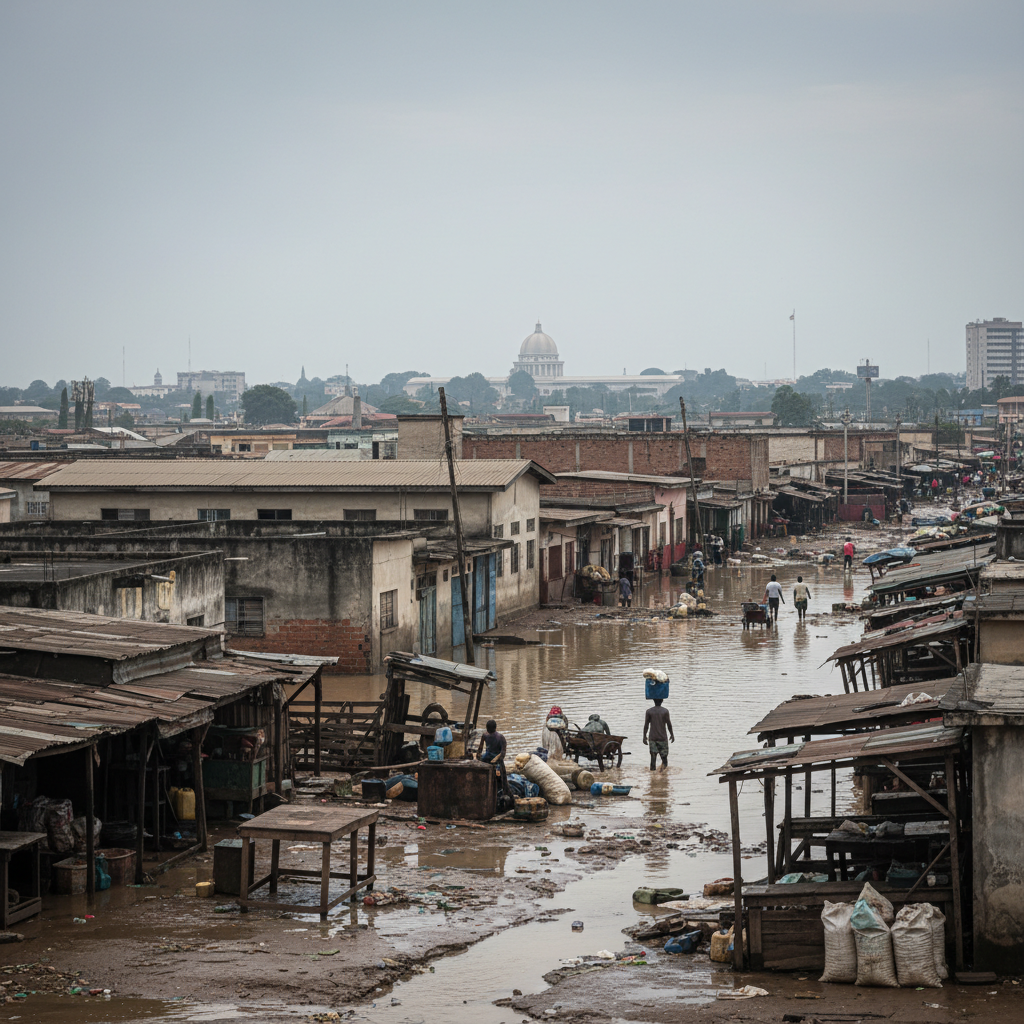
Former President John Dramani Mahama has called on Ghanaians to stop using drains as dumping sites. This practice worsens flooding and undermines efforts to protect lives and property. His call came during an inspection of the Alajo drains on July 10, 2026, as part of the National Clean-Up Exercise.
President Mahama explained that the Alajo drain is heavily clogged with silt, plastics, and household waste. This clogging restricts the free flow of water. It increases the risk of flooding in the area. The devastating floods of June 29 should prompt citizens to adopt responsible sanitation practices. This will prevent further damage.
This issue highlights a persistent challenge in Ghana's urban development. Rapid urbanization often strains existing infrastructure. Indiscriminate waste disposal exacerbates these pressures. Flooding regularly displaces thousands and causes significant economic losses. The government reportedly spends GHS 200 million each year on flood control and drainage projects. This cost demonstrates the financial burden of poor sanitation.
President Mahama expressed concern about the varied types of waste dumped into drains. He called the practice irresponsible and harmful. “The drains are not garbage instruments. If you want to dispose of something, you know how to dispose of it,” he stated. He pointed out items like paving blocks, old furniture, and dining tables found in drains. These materials worsen the blockages.
The former President urged residents to use designated waste disposal facilities. These include skip containers placed across communities. He said, “We have skip trucks that leave containers all over the city. Just go and throw your garbage into the skip.” This system provides an accessible alternative to drain dumping. He emphasized that changing public attitudes towards sanitation is crucial. Urbanization should not diminish the value of a clean environment. He believes a shift in behavior will reduce flood risks.
The government's continued investment in drainage infrastructure is vital. Effective waste management policies must also be implemented. Local authorities need to ensure regular waste collection and enforcement of sanitation laws. Ghanaians must embrace environmental responsibility to mitigate future flood disasters. This will protect lives, property, and the national economy from ongoing flood damage.