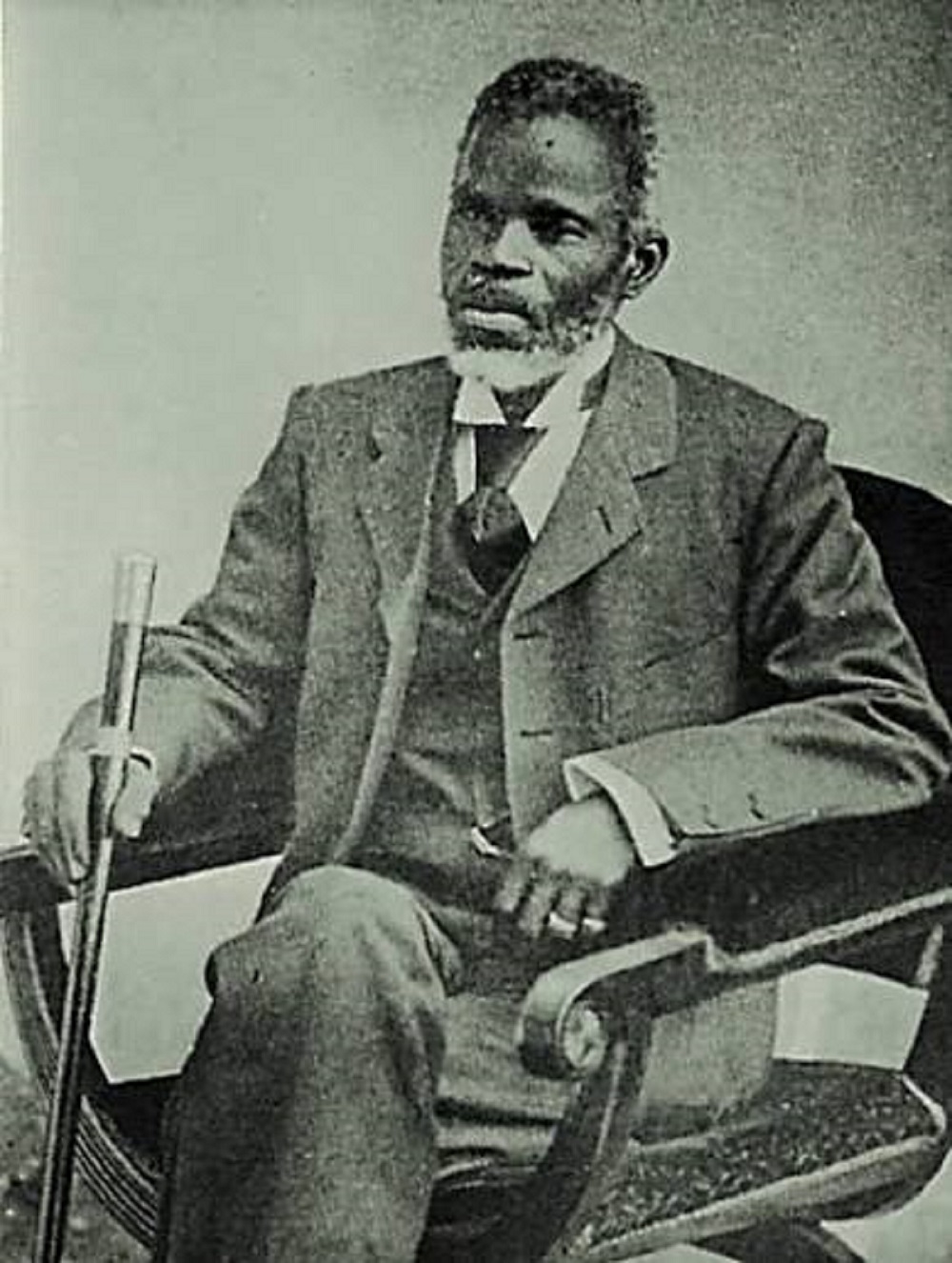
Jacob Wilson Sey, Ghana's first recorded millionaire, single-handedly funded a delegation to London in 1897, preventing the British from seizing vast tracts of Gold Coast land. This action thwarted the colonial government’s attempts to appropriate indigenous lands through new laws.
Sey's financial intervention directly led to the revocation of the Crown Lands Bill of 1894, the Public Lands Ordinance of 1896, and the Lands Bill of 1897. These proposed laws would have transferred ownership of all unclaimed land to the British Crown. His crucial financial support for the Aborigines' Rights Protection Society (ARPS) ensured the preservation of traditional land rights for local communities.
This historical event highlights the significant role private financing can play in protecting national assets and sovereignty. The ARPS, co-founded by Sey, became a central force in early anti-colonial resistance. It demonstrated organized legal and political opposition to British imperial expansion in the Gold Coast. This success stands as a precursor to Ghana's eventual independence, showing the power of indigenous leaders and their resources.
Adom Online reported that Sey used his resources to protect the country's lands from the British. They noted that he became the first president of the Aborigines' Rights Protection Society (ARPS). The organization was established in Cape Coast in 1897 to combat the colonial land policies.
This historical precedent shows how financial power can be mobilized for national interests, beyond just commercial gains. It encourages a closer look at the contributions of wealthy individuals to public welfare and national development. Future studies could explore how contemporary wealthy Ghanaians contribute to similar national causes. The implications for land ownership and community rights remain relevant even today.
Sey, born on March 10, 1832, in Asafura-Biriwa, grew up in poverty. He initially made a living tapping palm wine and carving coffins. His journey from humble beginnings to significant wealth remains a largely unverified story, often described as folklore. Despite this, his immense fortune was undeniable and he used it for public good.
In addition to the land protection efforts, Sey used his wealth to support various community initiatives. He bought houses in Sekondi for professionals relocating for work. He also championed efforts to bring a railway line to Cape Coast, aiming to boost the region's cocoa trade. As a devout Methodist, Sey contributed significantly to his church, funding organs, clergy salaries, and building restorations.
Furthermore, Jacob Wilson Sey contributed to the founding of Mfantsipim School. This institution is now one of Ghana's most prestigious secondary schools. His legacy extends to supporting exiled traditional rulers' return. His impactful actions demonstrate a commitment to both economic development and cultural preservation. Sey died on May 22, 1902, at the age of 70. Despite his profound influence, his contributions remain underrecognized in Ghana's history.