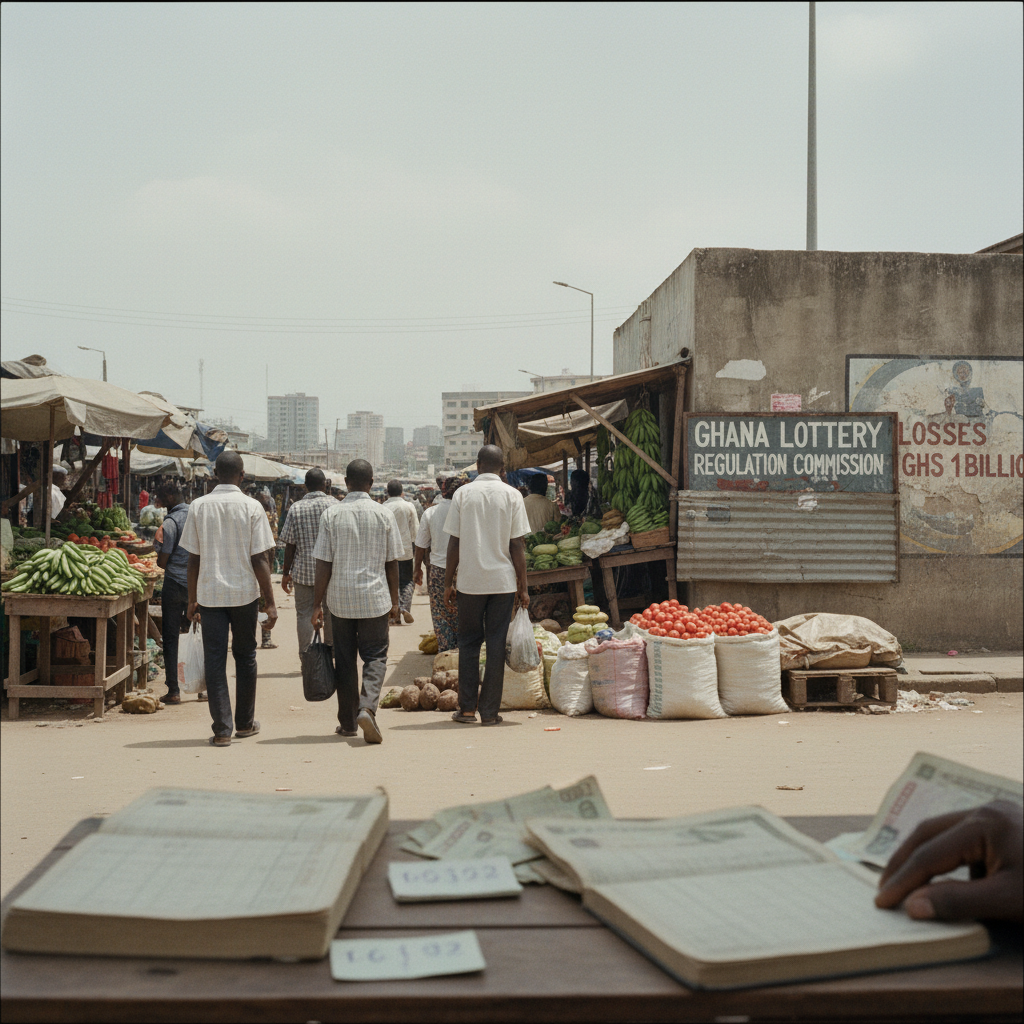
Ghana loses more than GHS 1 billion annually from illegal lottery operations. The National Lottery Authority (NLA) says these activities divert significant revenue from the state.
Unauthorized operators draw betting stakes away from regulated lottery sectors. This deprives the government of funds for public development programs. Licensed operators, who follow all rules and pay taxes, face unfair competition.
This issue highlights a deeper problem in Ghana's gaming economy. Illegal lottery operations create public finance concerns and competitive imbalances. Ghana needs to boost domestic revenue and reduce borrowing, making these losses critical. The losses discourage investment in the formal gaming sector.
The NLA believes illegal activity seriously threatens the regulated gaming industry. Unlicensed operators avoid formal tax systems and compliance requirements. Their activities weaken licensed companies that pay fees and taxes. This creates an uneven market where compliant businesses bear regulatory costs.
The NLA calls for stronger enforcement, tighter digital surveillance, and better collaboration with law enforcement. Bringing more lottery activity into the formal economy would boost government revenue. It would also improve transparency and protect consumers. These actions align with ongoing economic reforms aimed at sustainable fiscal income.
Policymakers are under pressure to improve tax collection and maintain fiscal discipline. Recovering even a portion of these lost funds would significantly boost revenue. Many illegal operators use digital platforms and mobile channels, making enforcement complex. Traditional field enforcement alone is not sufficient for this challenge.
Effective regulation needs data-driven monitoring and stronger digital tracking. It also requires coordinated intelligence and the prosecution of repeat offenders. Public education campaigns are crucial to discourage people from using illegal lottery products. Consumer protection is also a major concern.
Unlicensed operators lack the same payout rules and dispute resolution mechanisms as regulated ones. This leaves customers vulnerable if winnings are not paid. The NLA's push for a crackdown aims to restore public trust in the lottery system. Allowing illegal operators to grow unchecked could weaken confidence in the regulated industry and reduce state revenue.
The broader policy question involves turning lottery regulation into an effective revenue collection tool. This must happen without encouraging irresponsible gambling. A successful crackdown needs responsible gaming safeguards and public awareness campaigns. Stronger oversight of licensed operators is also essential. This ensures formalization benefits consumers and prevents harm. The annual loss of over GHS 1 billion is a major drain on public funds. These funds are needed for infrastructure, health, education, and social protection. Combating illegal lottery is part of Ghana's larger effort to close all revenue leakages.