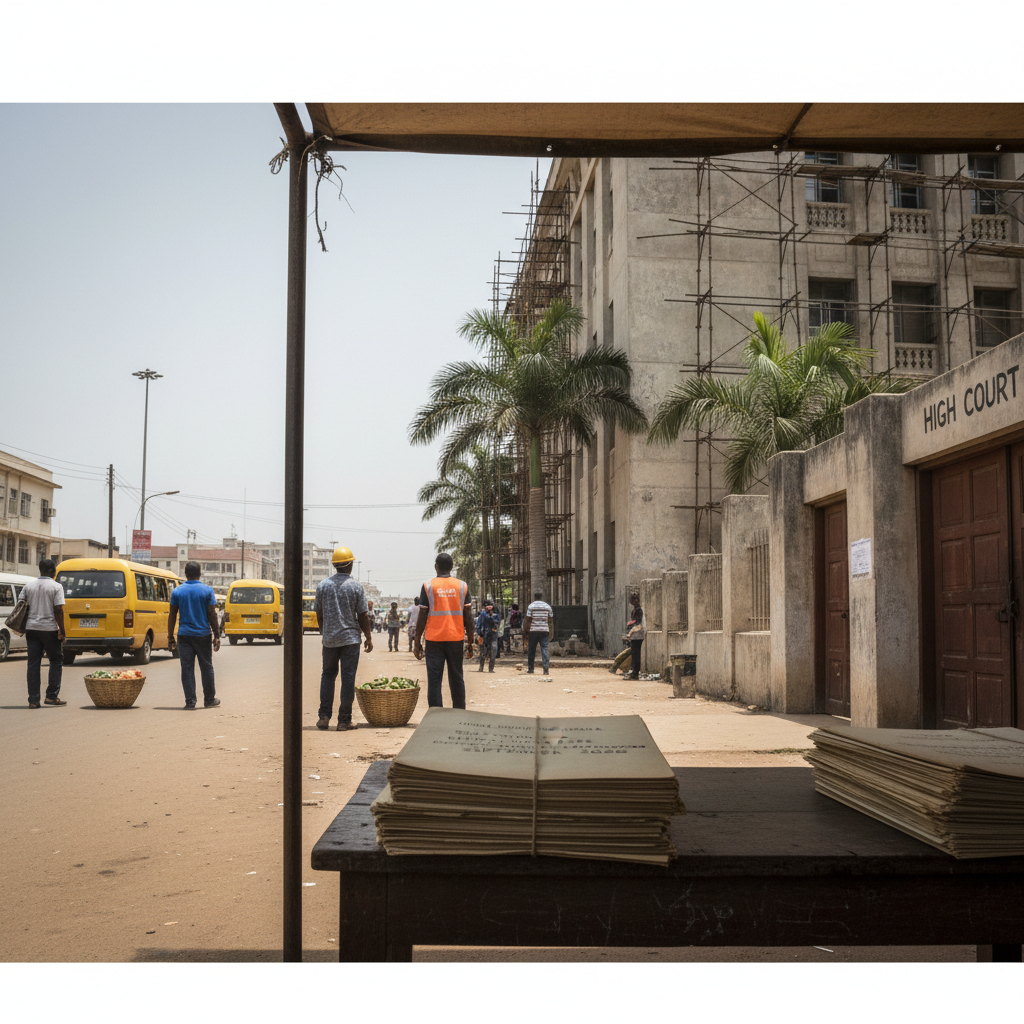
Ghana's High Court has granted former Ghana Infrastructure Investment Fund (GIIF) Chief Executive Officer, Solomon Asamoah, and former GIIF Board Chairman, Prof. Christopher Ameyaw-Akumfi, until September 23, 2026, to file their defences in the ongoing Sky Train case. This decision marks the third time the court has extended the deadline for the two accused persons.
The case involves an alleged US$2 million financial loss to the state. This loss reportedly stems from a payment made by GIIF in 2019. The payment was intended for an equity stake in the company behind the proposed Ghana Sky Train project, which ultimately never materialised. Prosecutors allege the payment lacked proper board approval, leading to public funds being wasted.
This legal development highlights ongoing concerns about public financial management and accountability in Ghana. The Ghana Infrastructure Investment Fund (GIIF) is a critical institution designed to mobilise and manage funds for infrastructure development. Allegations of financial impropriety within such a body can erode public trust and deter potential investors. Past instances of alleged financial mismanagement in state-owned enterprises have often led to significant public debate and calls for stricter oversight. The current case resonates with a broader national discourse on safeguarding public resources and ensuring value for money in large-scale projects.
Deputy Attorney-General and Minister for Justice, Dr Justice Srem-Sai, confirmed the High Court's latest extension in a public statement. He noted the court had previously dismissed submissions of no case from the accused. These submissions argued that the prosecution had not presented enough evidence to require them to mount a defence. The court, however, rejected this argument, compelling them to proceed with their defence.
The extension comes as the Supreme Court prepares to hear an interlocutory injunction application filed by Mr. Asamoah's legal team. This application, scheduled for August 27, seeks to pause proceedings at the lower court. It aims to allow for a separate application to quash the trial court’s decision to dismiss his submission of no case. This legal manoeuvre could further prolong the resolution of the case, impacting the timeline for justice and accountability.
The implications of this case extend beyond the individuals involved. It will be closely watched by financial markets and development partners. The outcome could influence future governance practices within state investment funds. It also underscores the importance of robust due diligence and approval processes for public projects. Decision-makers will be keen to see how the judiciary handles such high-profile cases involving alleged financial misconduct. The case's resolution will send a clear message about Ghana's commitment to fighting corruption and ensuring accountability for public funds. The alleged US$2 million loss, while significant, also represents a fraction of the total funds allocated to infrastructure projects annually, yet its symbolic importance is substantial. The protracted legal battle also raises questions about the efficiency of the judicial process in handling complex financial crimes. This case serves as a crucial test for Ghana's legal framework in addressing financial irregularities within its state institutions.