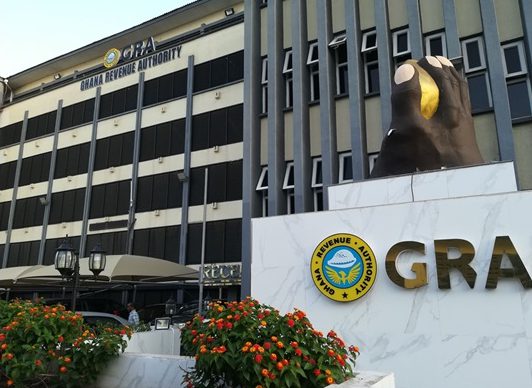
The Ghana Revenue Authority (GRA) stated that businesses experiencing losses from floods or other unforeseen incidents can claim tax deductions for destroyed or lost goods.
Chief Revenue Officer Victor Yao Akogo urged affected businesses to report damages to the GRA for verification. The value of verified destroyed or lost goods can be treated as an allowable tax deduction. This measure helps businesses reduce their taxable income, allowing them to retain more resources for business continuity.
This initiative responds to the economic impact of natural disasters on businesses in Ghana, aiming to support their recovery. Floods, such as those that recently disrupted business activities in Accra, can significantly affect commercial operations and incomes. Providing tax relief seeks to mitigate these financial challenges and support the resilience of local enterprises.
Mr. Victor Yao Akogo from the GRA explained that the cost incurred in acquiring goods that are subsequently destroyed is an allowable expense under Ghana’s tax laws. He said, “The cost they incurred in acquiring their goods is an expense, and that expense ought to be deducted against the income they earn.” The GRA requires prompt notification to investigate, confirm, and grant these deductions.
Businesses seeking this relief must be registered with the GRA. Sole proprietors can use their Ghana Card for registration, while companies need a Tax Identification Number (TIN). The TIN is essential for all tax transactions, including filing returns and paying taxes. Individuals and businesses without a TIN can apply through the GRA’s online platform.
The GRA emphasized that filing tax returns remains a legal obligation, even for businesses that did not make a profit. Businesses earning no income must submit a ‘NIL’ return, informing the Authority they are not liable for tax. This ensures the GRA has a complete record of all taxpayers.
Corporate entities faced a June 30 deadline for filing monthly Value Added Tax (VAT) returns and accounting for VAT collected. Failure to file returns by the due date incurs a penalty of GHS 500, plus an additional GHS 10 for each day the default continues. All tax returns are now filed electronically through the GRA’s Taxpayer Portal, simplifying the process for businesses and individuals.
This tax relief aims to provide crucial support to Ghana's private sector, particularly small and medium-sized enterprises (SMEs), which are often most vulnerable to unforeseen disruptions. The GRA's clarification helps businesses understand their entitlements and responsibilities. Businesses should ensure timely registration and reporting to benefit from these deductions. This policy reflects part of broader efforts to create a more resilient business environment in Ghana.